
Around the World in Eighty Days
An encyclopedic overview of Jules Verne's 1873 adventure novel, its plot, principal characters, themes, publication context and its long cultural legacy, including adaptations.
Around the World in Eighty Days is an adventure novel by the French writer Jules Verne, first published in 1873. The story follows the precise and reserved English gentleman Phileas Fogg and his newly hired French valet, Passepartout, as they undertake a timed circumnavigation of the globe. The central premise is a wager: Fogg bets his fellow members at the Reform Club that he can travel around the world in eighty days, a challenge that drives the novel’s plot and sets up encounters with diverse peoples, transport technologies and unforeseen obstacles.
Image gallery
5 Images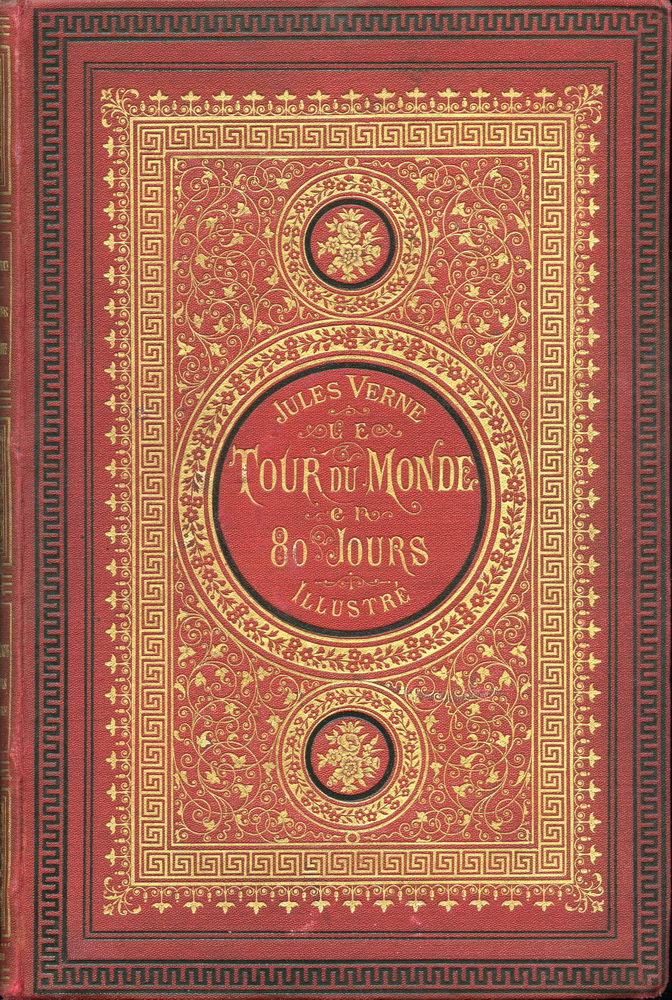


Plot and structure
The narrative mostly follows a linear itinerary as Fogg and Passepartout move eastward, using the trains, steamships and other means available in the 1870s. Their journey is complicated by delays, weather and a persistent British detective named Fix, who wrongly believes Fogg is a bank robber and follows them in the hope of making an arrest. Much of the novel’s momentum comes from the interplay of travel logistics, narrowly averted disasters and the growing partnership between the two central characters.
Characters and themes
- Phileas Fogg — a methodical, punctual Englishman whose imperturbable nature and resources make the wager plausible.
- Passepartout — Fogg’s loyal, impulsive valet, who provides both comic relief and human warmth.
- Detective Fix — a lawman whose misunderstanding of Fogg’s identity adds dramatic tension.
Major themes include the confidence in contemporary technology and global transportation, the tension between rationality and human unpredictability, and a 19th-century European perspective on imperial routes and cultures. The novel balances adventure with social observation, and at times reflects the attitudes and assumptions of its period.
Publication and reception
When it appeared, the novel appealed to readers’ interest in technological progress and exotic travel. It became one of Verne’s best-known works and helped cement his reputation for imaginative stories grounded in then-contemporary science and engineering. Over time it has been read both as light entertainment and as a work that illuminates Victorian ideas about time, speed and empire.
Adaptations and legacy
The book has inspired numerous stage productions, films, television series and other retellings, often emphasizing its episodic structure and the dramatic race-against-time concept. Because of its straightforward premise and memorable characters, it remains a popular introduction to Verne for general readers and continues to be discussed in studies of travel literature and popular culture.
Though rooted in the technologies and worldviews of the 1870s, Around the World in Eighty Days endures as a brisk adventure narrative that examines ideas of punctuality, modernity and the expanding reach of global transportation.
Tags
Related articles
Author
AlegsaOnline.com Around the World in Eighty Days Leandro Alegsa
URL: https://en.alegsaonline.com/art/5824