
Arad County, Romania: geography, history, economy and culture
Arad County is a western Romanian county in the Crișana region, centred on the city of Arad. It combines plains, hills and low mountains, with mixed agriculture, industry and cross‑border links to Hungary.
Overview: Arad County is an administrative county (județ) in western Romania, located in the historical Crișana area. The county seat is the city of Arad. In other languages the name is also used unchanged or slightly adapted; for example the Hungarian form is shown via Arad and the Serbian form via Arad/Арад. The county is part of modern Romania and serves as a regional hub for transport and commerce.
Image gallery
10 Images


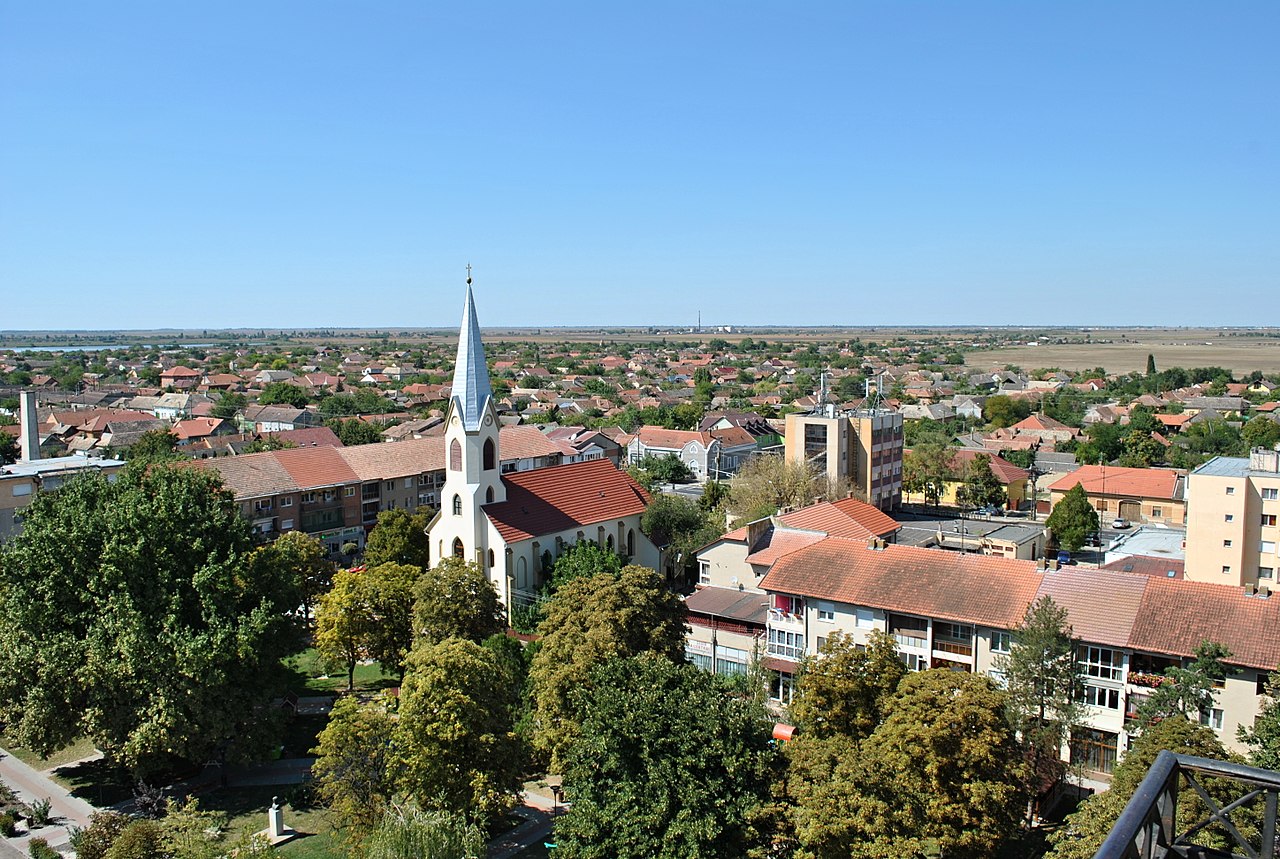


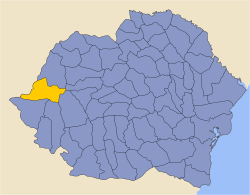
Geography and administration
Arad County stretches across a transition zone from the low Western Plain to rolling hills and low mountains to the east and southeast. The Mureș River is a major watercourse that crosses the territory and helped shape settlement and agriculture. Administratively the county is organized into municipalities, towns and communes; the city of Arad functions as the economic and cultural centre.
The landscape supports mixed land use: fertile plains for arable farming, orchard and vine areas, and higher terrain with forests and grazing. The county also borders Hungary on its western edge, making cross‑border links important for trade and travel.
History and identity
Human presence in the wider region dates back to antiquity; the area experienced Roman, medieval and Habsburg influences over centuries, shaping its architecture and institutions. Arad city grew as a fortified settlement and later an industrial town. A notable episode in the 19th century remains the commemoration of the so‑called "Martyrs of Arad", an event that is part of regional and national memory.
Over the 20th century the county adapted through industrialization, land reform and shifting borders, while preserving vernacular traditions and multiethnic heritage. Local building styles include baroque, neoclassical and Secessionist influences visible in urban centres.
Economy, culture and transport: The county economy combines agriculture, food processing, light and heavy industry, and services. Its location on major road and rail corridors gives it logistical importance. Cultural life features traditional festivals, museums, theatres and educational institutions in Arad city.
Notable attractions and facts:
- Historic quarters and public buildings in Arad city, including monuments linked to 19th‑century events.
- River landscapes along the Mureș and protected natural areas that appeal to outdoor visitors.
- Cross‑border commerce with neighbouring Hungary and regional transport nodes.
- Local food and wine traditions tied to the plains and hill viticulture.
The county remains a mix of urban industry and rural agriculture, with a diverse cultural heritage and strategic position at Romania's western frontier.
Tags
Related articles
Author
AlegsaOnline.com Arad County, Romania: geography, history, economy and culture Leandro Alegsa
URL: https://en.alegsaonline.com/art/5149