
Apse (architectural feature)
An apse is a semicircular or polygonal recess, often roofed by a semi-dome, forming the liturgical or focal termination of a building. Common in Roman, Byzantine and medieval church architecture.
Overview
The apse is an architectural recess that typically terminates the end of a building and is most often associated with churches and basilicas. The word derives from Latin apsis and the Greek apsís, meaning an arch or vault. In general usage an apse is a curved or polygonal projection that may be roofed by a semi-dome, domed vault, or have a flat or pitched roof. In discussions of architecture it is closely related to, but distinct from, forms such as the exedra and other recessed features.
Image gallery
10 Images




Characteristics
An apse can vary in plan and elevation. Common features include a rounded or multi-sided plan, a vault or semi-dome known as a conch, and a clear visual focus on the interior wall where an altar, throne, or shrine is placed. Typical structural and decorative elements are:
- Curved plan: semicircular or polygonal bays that project from the main axis (semicircular or multi-sided).
- Roof forms: hemispherical domes, semi-domes, sloping roofs, or flat ceilings (semi-dome, domed vault).
- Ornamentation: mosaics, frescoes, stained glass or carved stone emphasizing the focal nature (decorative treatments).
History and development
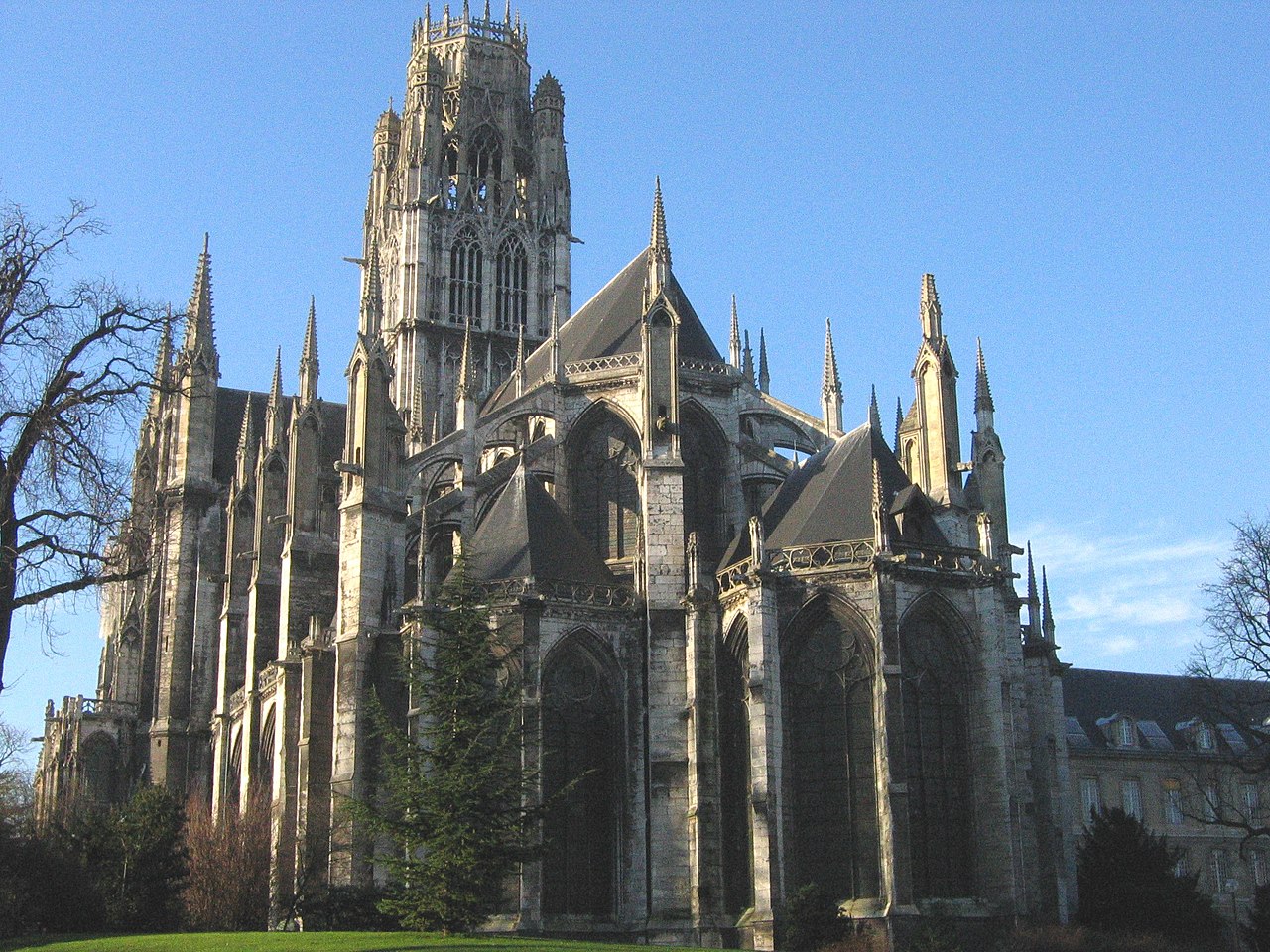
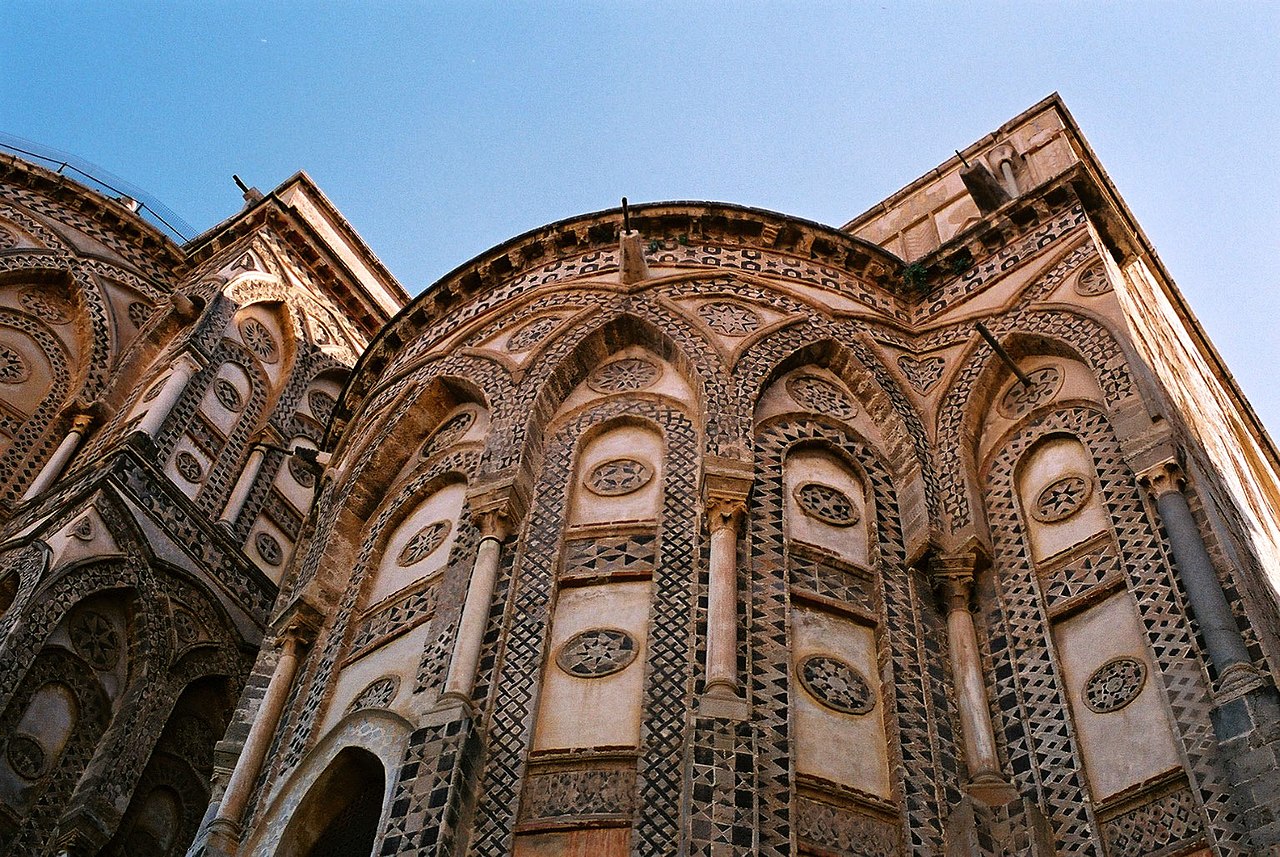
The form has roots in classical Roman architecture, where apsidal ends were used in basilicas and baths to create niche-like terminations. Early Christian architects adapted that geometry to liturgical needs, placing altars in apses to establish a sacred focal point. During the Romanesque and Byzantine periods apses were commonly semicircular; in Gothic architecture the eastern termination often became polygonal, forming the multi-sided chevet typical of French cathedrals. Distinct regional treatments can be found across medieval Europe and the Eastern Mediterranean (Romanesque, Byzantine, Gothic).
Uses and examples
Functionally an apse houses the main altar or a significant relic, frames a liturgical choir, or accommodates a bishop's cathedra. Smaller subsidiary apses (apsidioles) may flank the main apse in larger complexes. Secular uses appear in Roman public buildings and later civic architecture where a recessed niche provided emphasis for statues or seating.
- Liturgical focus: altar placement and processional choreography (liturgical use).
- Architectural emphasis: framing, acoustics and lighting effects (acoustic and visual roles).
Distinctions and notable facts
Not every curved or recessed end is called an apse; an exedra is a related classical seating niche while the chevet describes the complex eastern arrangement of choir, ambulatory and radiating chapels in Gothic cathedrals. Smaller subsidiary apses are apsidioles. The term remains in modern architectural vocabulary when describing both historic preservation and contemporary religious and public buildings (terminology, variations).
Related articles
Author
AlegsaOnline.com Apse (architectural feature) Leandro Alegsa
URL: https://en.alegsaonline.com/art/5063
Sources
- commons.wikimedia.org : Apse