
Architecture of Singapore: history, styles, and urban development
Survey of Singapore's built environment, tracing colonial-era shophouses and civic buildings to modern skyscrapers, public housing, tropical adaptations, conservation and sustainable design.
Overview
The architecture of Singapore reflects a layered history of local traditions, regional influences and global movements. Its buildings respond to a hot, humid climate, limited land, and rapid economic change. Urban design and architecture are closely tied to state planning, with notable tensions and synergies between modernization, conservation and environmental adaptation.
Image gallery
10 Images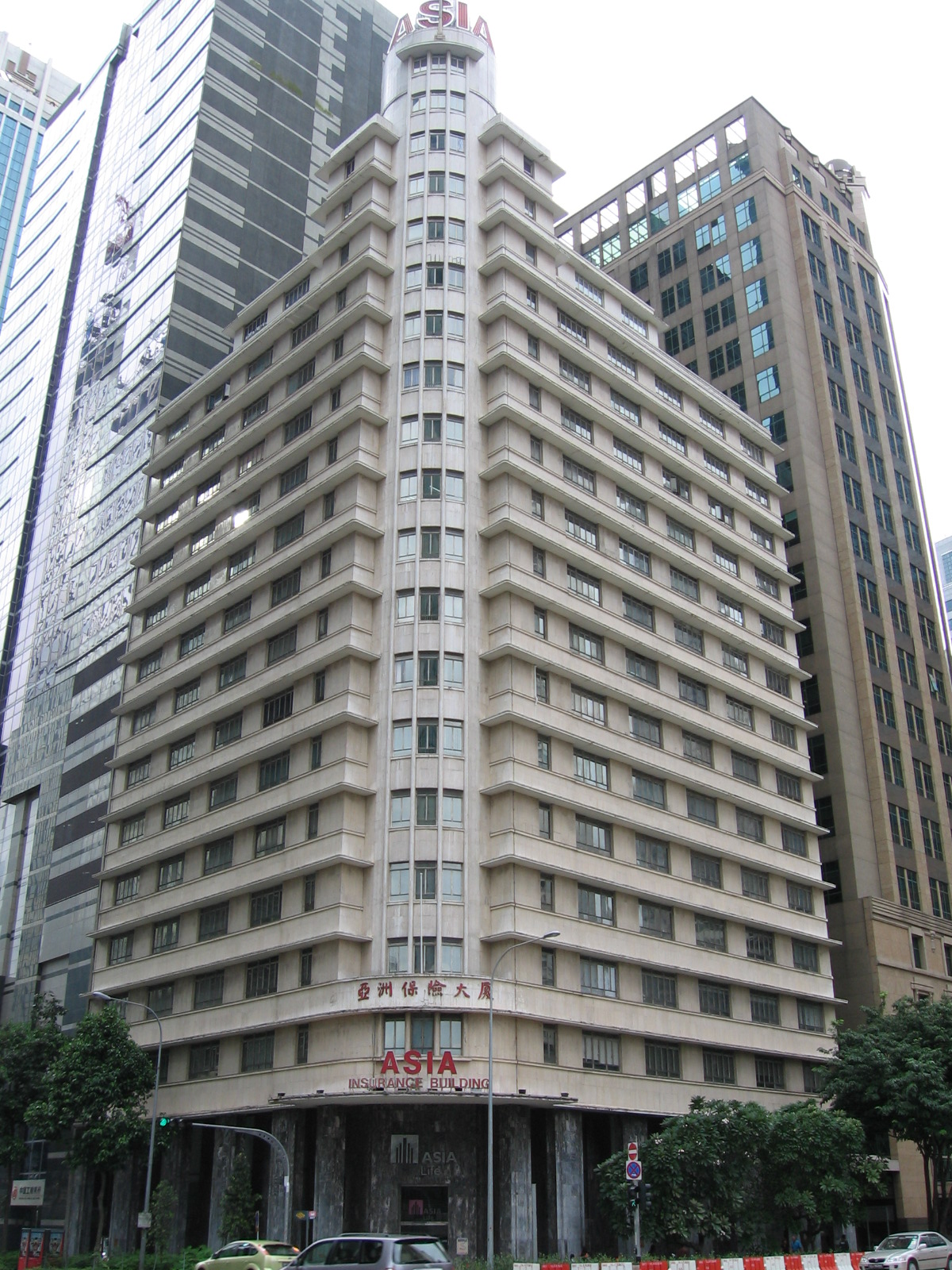




Historical development
Early built forms emerged from Malay, Chinese and Indian vernacular traditions together with colonial-era European models introduced during the 19th and early 20th centuries. The 1822 urban plan associated with Stamford Raffles shaped street patterns and commercial blocks; by the late colonial period the town included shophouses, municipal civic buildings and religious structures. Architecture is commonly divided into a pre-war colonial phase and a post-war, post-independence period, which accelerated after 1965 when nation-building and mass housing became priorities. For aspects of the pre-war period see pre-World War II.
Key building types and characteristic features
Certain building types are emblematic of Singapore's streetscape:
- Shophouses: narrow, usually two- to three-storey terraces combining ground-floor commerce with upper-floor residence. Typical features include the covered pedestrian "five-foot way", decorative façades and internal courtyards or lightwells.
- Religious and communal buildings: Chinese temples, mosques and Hindu temples display localized craftsmanship and ornament, while colonial churches and government buildings adopted neoclassical and Victorian motifs.
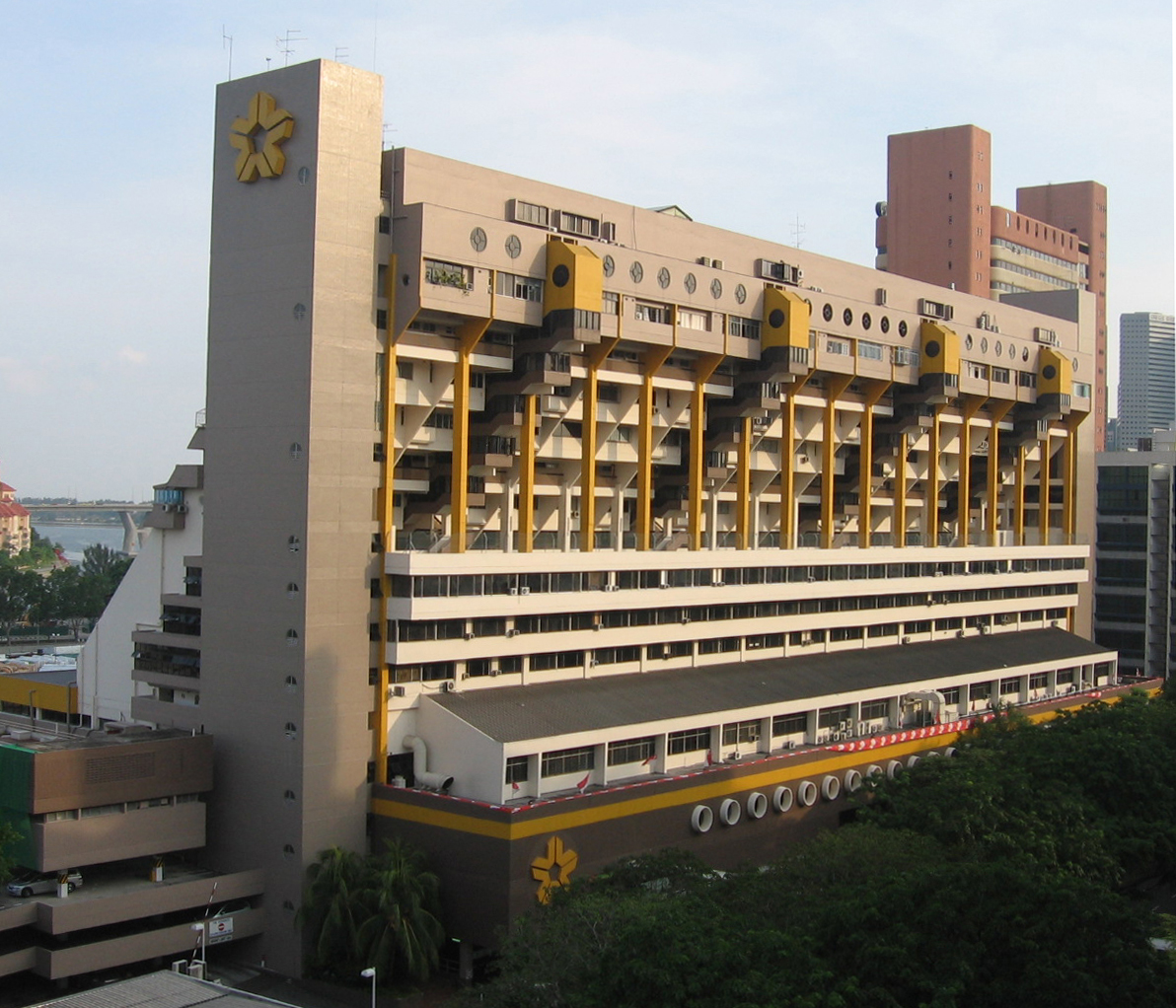
- Public housing: built and managed by the state, multi-storey apartment blocks provide homes for the majority of residents and are a defining component of the urban fabric.
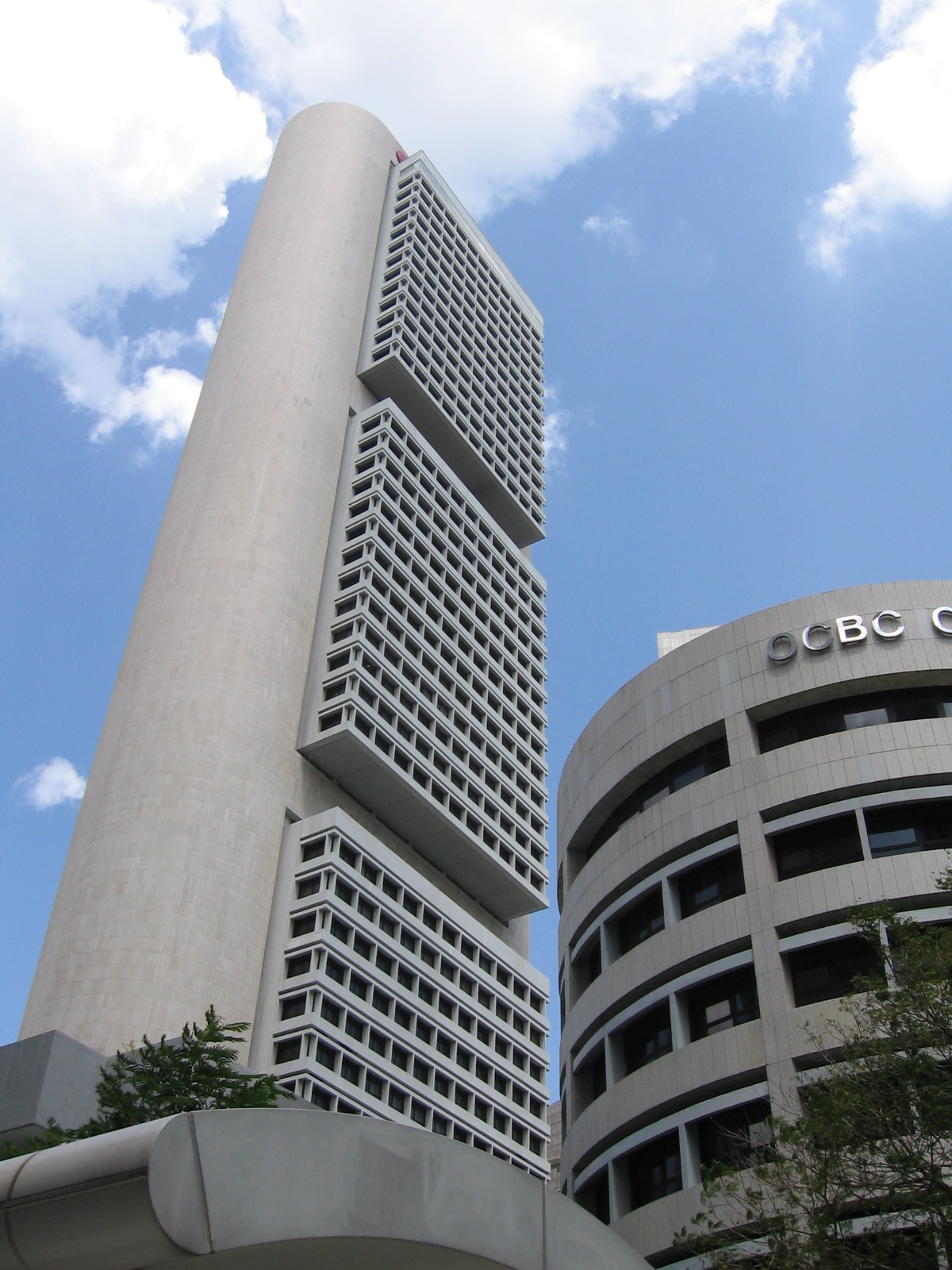
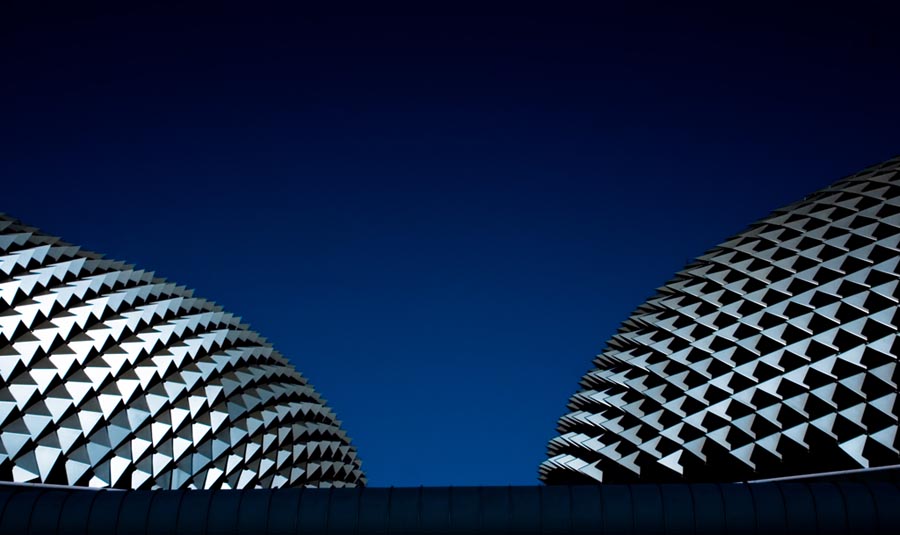
- High-rise commercial and civic architecture: from mid-20th-century modernist towers to contemporary mixed-use complexes and landmark cultural projects.
Modern developments and environmental design
After independence, Singapore embraced large-scale planning and modernist principles to house a growing population and to support economic development. International styles influenced office towers and institutional buildings, but local architects adapted forms for a tropical climate: deep overhangs, cross-ventilation, sun-shading elements and the use of courtyards remain important. Recent decades have seen a focus on sustainable, green architecture, integrating vegetation, energy-efficient systems and water-sensitive urban design as part of an agenda to make a dense city-state more liveable.
Conservation, identity and notable projects
Alongside modernization, conservation efforts in selected districts have preserved shophouse clusters, colonial precincts and historic civic buildings, while promoting adaptive reuse. This has created juxtapositions between restored low-rise neighborhoods and dramatic contemporary projects that aim to be civic icons. Such projects illustrate debates about heritage, tourism, the skyline and the public realm.
Importance and distinctions
Singapore's architecture is notable for how planning, climate and limited land resources shape design choices. The strong role of government in both housing provision and urban redevelopment produces a distinctive balance of comprehensive public works and private commercial development. Scholars and practitioners often point to Singapore as an example of how tropical cities can combine conservation, high-density growth and environmentally responsive design.
For further reading on stylistic periods and specific building types, see general resources about Singapore and its built environment: Singapore architecture overview.
Related articles
Author
AlegsaOnline.com Architecture of Singapore: history, styles, and urban development Leandro Alegsa
URL: https://en.alegsaonline.com/art/5320
Sources
- sheridanprasso.com : "Table Talk: Singapore's This Old House"