
Church (building)
A church is a building designed for Christian worship and related community functions; its forms, parts, and roles have evolved across history and denominations.
Overview
A church is a building intended primarily to provide a place where people gather for communal worship. In most cases churches serve Christian communities, including Roman Catholic, Anglican or Episcopalian, and many Protestant bodies such as Lutheran congregations. The word "church" is also used by some non-Christian groups to describe their houses of assembly; for example, Scientology organizations commonly style some of their facilities as churches.
Image gallery
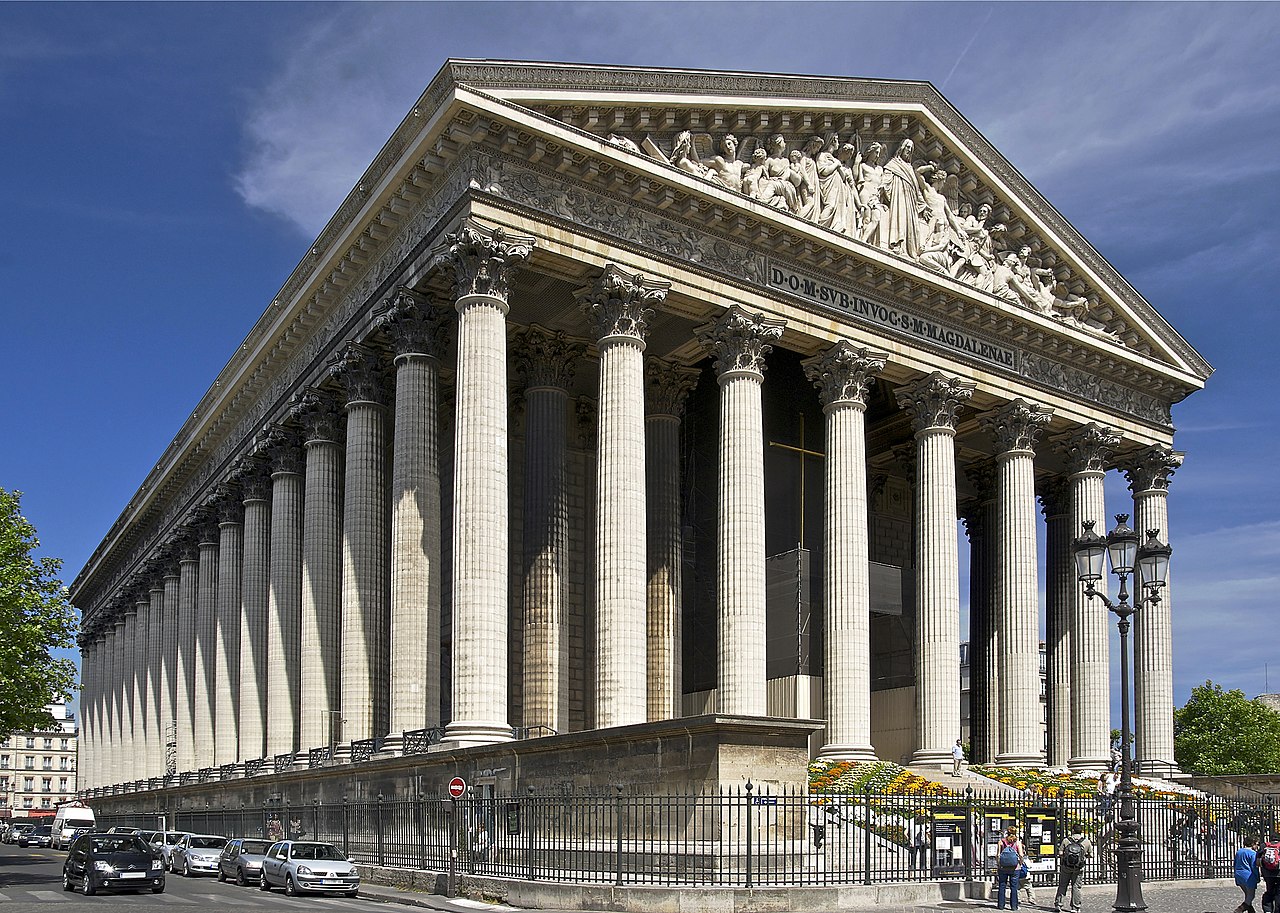
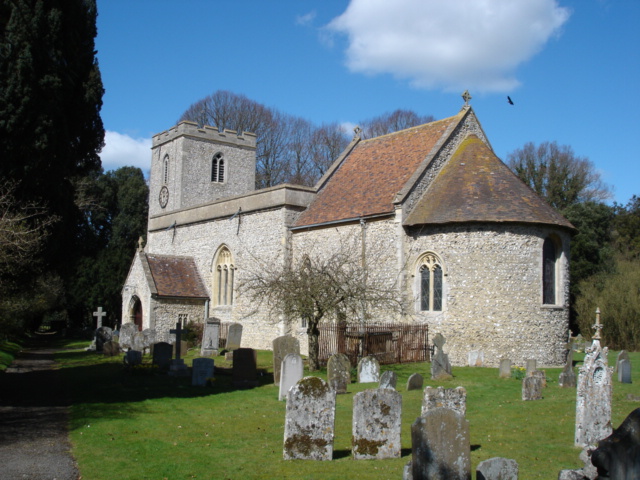
10 Images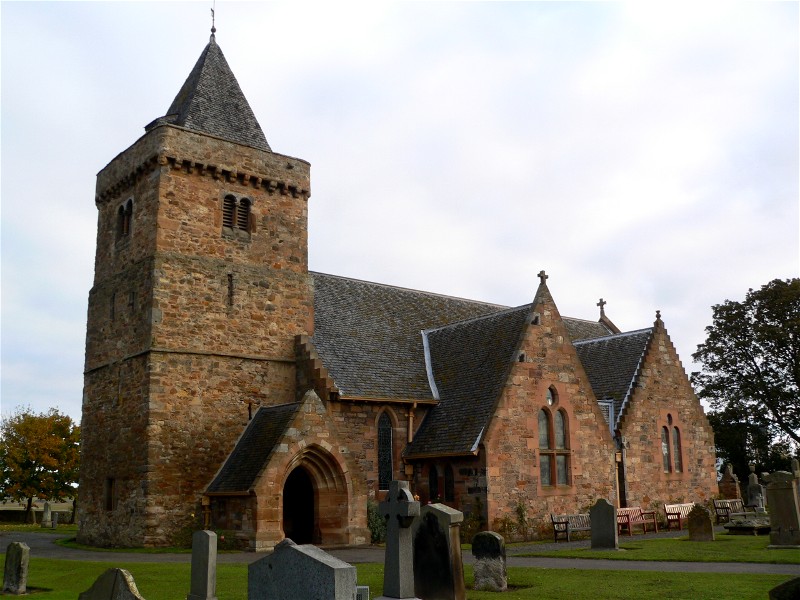






Architecture and common parts
Church buildings come in many sizes and architectural styles, but several elements recur across traditions. Typical features include an entrance and main hall (nave), an area around the altar called the sanctuary or chancel, a choir or seating for clergy and singers, side aisles, transepts that give some churches a cruciform plan, and one or more towers or bell turrets. Interiors may contain an altar, pulpit, lectern, baptismal font, seating such as pews or chairs, and devotional fittings like icons, statues, or stained glass.
- Common internal elements: altar, nave, chancel, aisles, sacristy.
- Decorative features: stained glass, frescoes, carvings, mosaics.
- Functional spaces: chapels, baptisteries, vestry rooms.
History and development
The earliest Christian communities often met in private homes or improvised halls. As Christianity became more public and organized, builders adapted civic and domestic architectural forms—bathed in regional traditions—into distinctive church buildings. Over centuries architectural styles evolved through identifiable periods such as Romanesque, Gothic, Renaissance and Baroque, each influencing layout, structure and ornament. Local materials and liturgical needs also shaped regional differences, and modern churches continue to reflect contemporary engineering and aesthetic choices.
Uses, rites and community role
Beyond scheduled worship services and the celebration of rites such as baptism, marriage and funerals, churches frequently serve as centers for local community life. They may host educational activities, charitable distribution, meetings, concerts and cultural events. Liturgical furnishings and the arrangement of space usually reflect theological emphasis; for instance, some traditions give prominence to the Eucharistic altar, while others emphasize the pulpit and preaching.
Types and organizational terms
Names and ranks distinguish church buildings by function and status. Small worship spaces are often called chapels. A local congregation normally meets in a parish church; a group of parishes within a geographic region is organized as a diocese in many historic churches. A cathedral is the principal church of a diocese and traditionally contains the bishop's seat or cathedra, symbolizing episcopal authority. Some churches also bear the honorary title of basilica in certain traditions.
Distinctions and notable facts
Different Christian traditions have characteristic layouts and ornament: for example, Eastern Orthodox churches typically include an iconostasis that separates nave from sanctuary, while many Western churches evolved longitudinal plans with prominent choirs. In recent times, the term "church" has broadened to encompass a wide range of buildings from historic cathedrals to flexible, multipurpose halls used by contemporary congregations and even some non-Christian movements that adopt the term. Whether monumental or modest, church buildings are significant for their spiritual, artistic and social roles within their communities.
For more detailed introductions and comparative examples, consult denominational resources or architectural surveys that describe specific regional and historical variations in church design. Links to introductory guides are shown here as references: general definition, worship, Christians, Scientology, Episcopalian, Lutheran, chapels, diocese, cathedral, bishops.
Questions and answers
Q: What is a church?
A: A church is a building that was constructed to allow people to meet and worship together, usually Christians or those influenced by Christianity.
Q: Do other non-Christian religious groups use the term "church"?
A: Yes, some other non-Christian religious groups also call their religious buildings churches, most notably Scientology.
Q: What type of churches are described in the text?
A: The text describes Roman Catholic churches, although some parts are the same in Episcopalian and Lutheran churches.
Q: How do churches vary in size?
A: Depending on the number of people that are in a community, the churches come in different sizes. Smaller ones are called chapels.
Q: What is a diocese?
A: The churches in a particular geographical area form a group called the diocese.
Q: What is special about cathedrals?
A: Cathedrals are very big churches and they serve as the seat of bishops for each diocese.
Q: Who typically worships at a church?
A: Typically Christians or those influenced by Christianity worship at a church.
Tags
Related articles
Author
AlegsaOnline.com Church (building) Leandro Alegsa
URL: https://en.alegsaonline.com/art/20304