
Vault (architecture): forms, history, construction and uses
An architectural vault is an arched structural form that shapes ceilings and roofs. This article explains common types, historical development, building methods, materials, and practical uses.
Overview
A vault is an arched structural element that spans and covers a space, providing a ceiling or roof without relying on a flat beam. Vaulting transforms compressive forces into the supports at the edges, allowing larger, uninterrupted interiors. For general reference see architectural overviews.
Image gallery
10 Images




Common types and parts
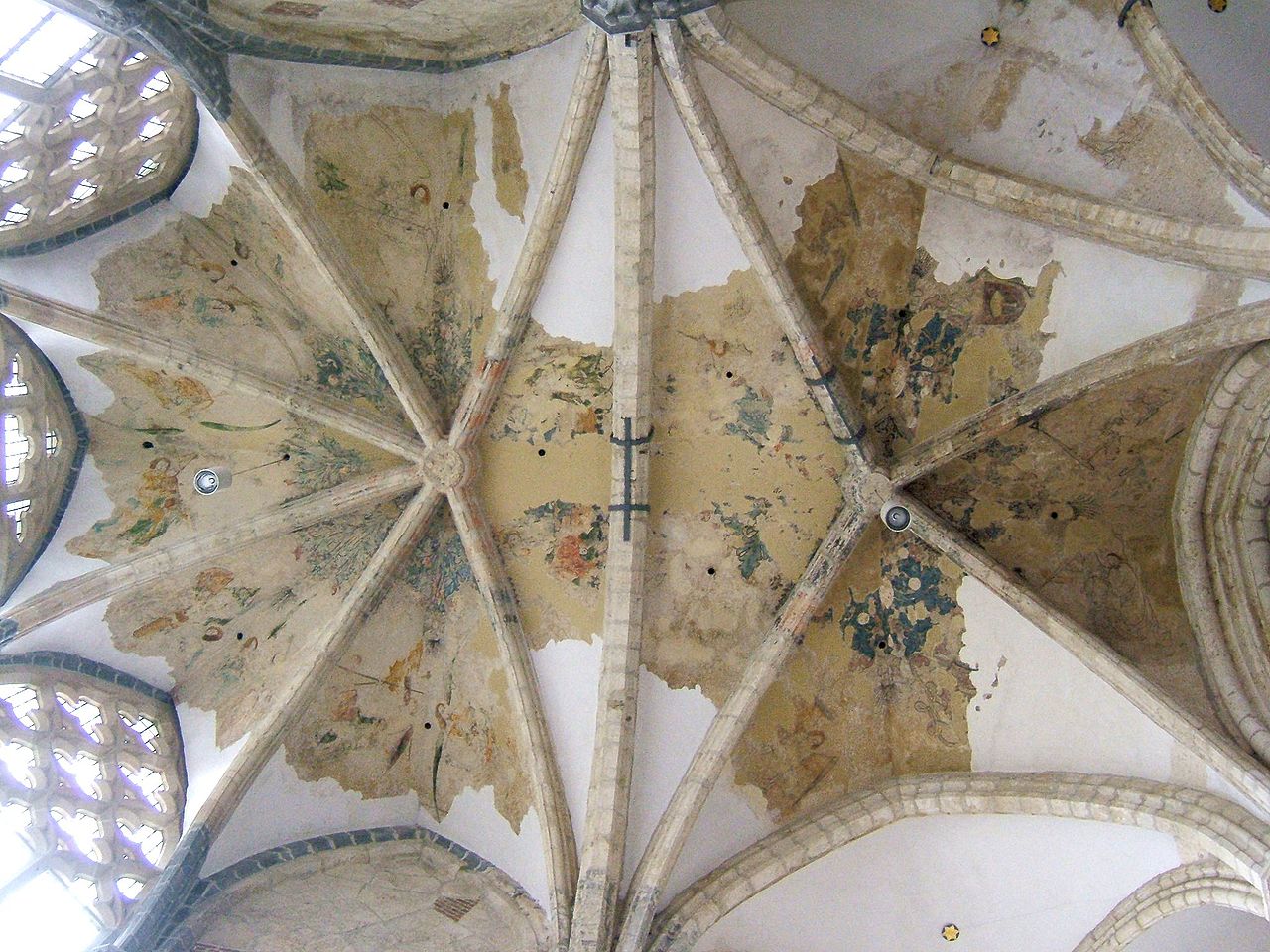
Vaults appear in several characteristic forms. Key parts include the springing (where the vault begins), the crown (highest point), ribs (in ribbed vaults) and bays (repeating units). Typical types are:
- Barrel (tunnel) vault – a continuous semi-cylindrical surface.
- Groin (cross) vault – formed by the intersection of two barrel vaults at right angles.
- Rib vault – uses projecting ribs to carry loads and subdivide the vault.
- Corbelled vault – built by successive layers projecting inward; predates true arches.
- Segmental and pointed – shapes adapted to different spans and styles, especially in Gothic architecture.
Historical development
Vaulting has ancient roots, with corbelled forms in prehistoric and early civilizations. The Romans advanced true arch and barrel vault construction, often using masonry and concrete to span baths, basilicas and halls. Medieval builders developed groin and rib vaults to cover aisled churches and cathedrals; later periods refined vaulting with new geometry and materials. For timelines and examples consult historical resources.
Materials and construction methods
Traditional vaults use stone or brick bonded with mortar; concrete allowed broader, monolithic vaults. Construction often requires temporary centering or formwork, though corbelled and some modern thin-shell techniques reduce or eliminate it. Ribs, buttresses and thickened walls resist the thrusts generated by vaulted systems. Technical guides are available at construction references.
Uses, examples and distinctions
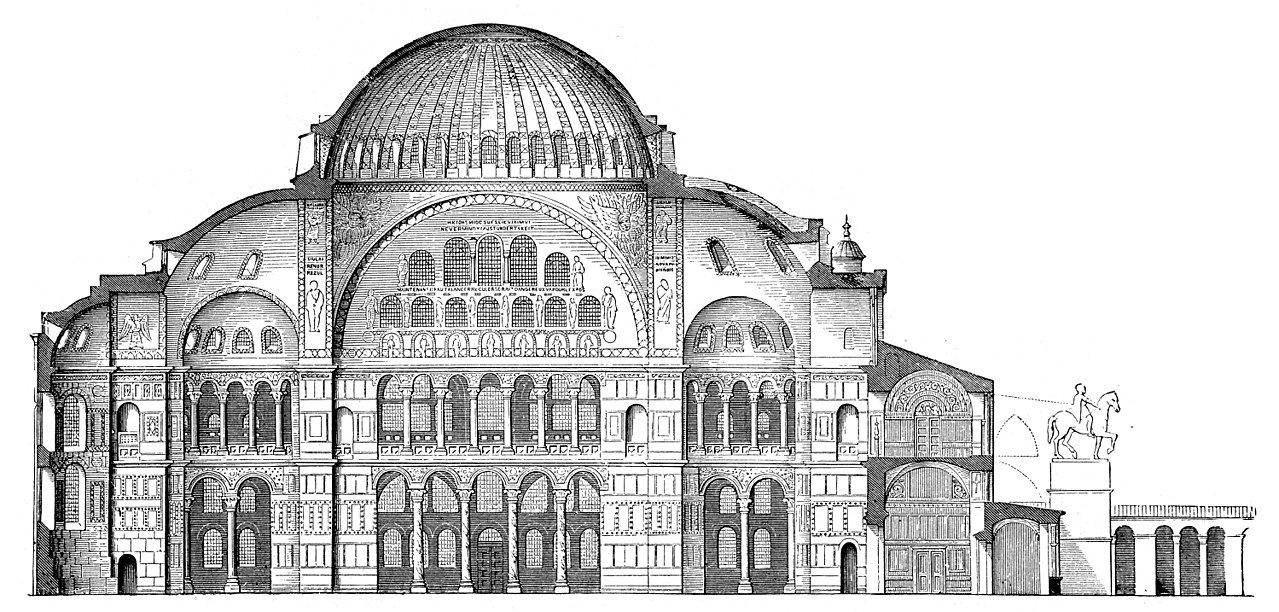
Vaults serve in religious, civic and infrastructural buildings: churches, crypts, halls, train stations and tunnels. They provide fire-resistant spans and strong acoustics, and their visible geometry is an important element of style. Distinguishing a vault from a dome: a dome is a rotational vault covering a circular plan, while vaults more often span rectangular or linear spaces. See comparative notes at design comparisons.
Related articles
Author
AlegsaOnline.com Vault (architecture): forms, history, construction and uses Leandro Alegsa
URL: https://en.alegsaonline.com/art/104385