
Semi-dome (architecture)
A semi-dome, or half-dome, is an architectural element formed by halving a dome to cover a semicircular space such as an apse or niche; used since Roman times and prominent in Byzantine and Islamic buildings.
A semi-dome, often called a half-dome or conch, is the curved vault formed by slicing a dome vertically and using the resulting half to cover a semicircular space. As an architectural term it describes both the shape and the component used to roof apses, niches, exedrae and the ends of barrel vaults. For a general definition see reference.
Image gallery
10 Images


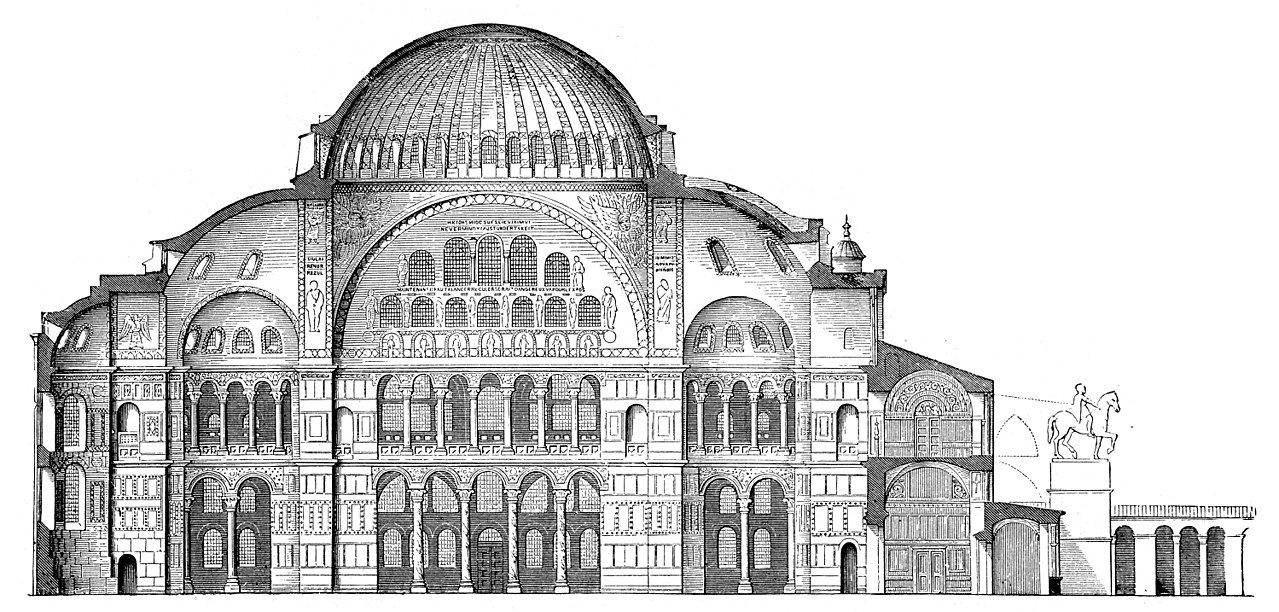
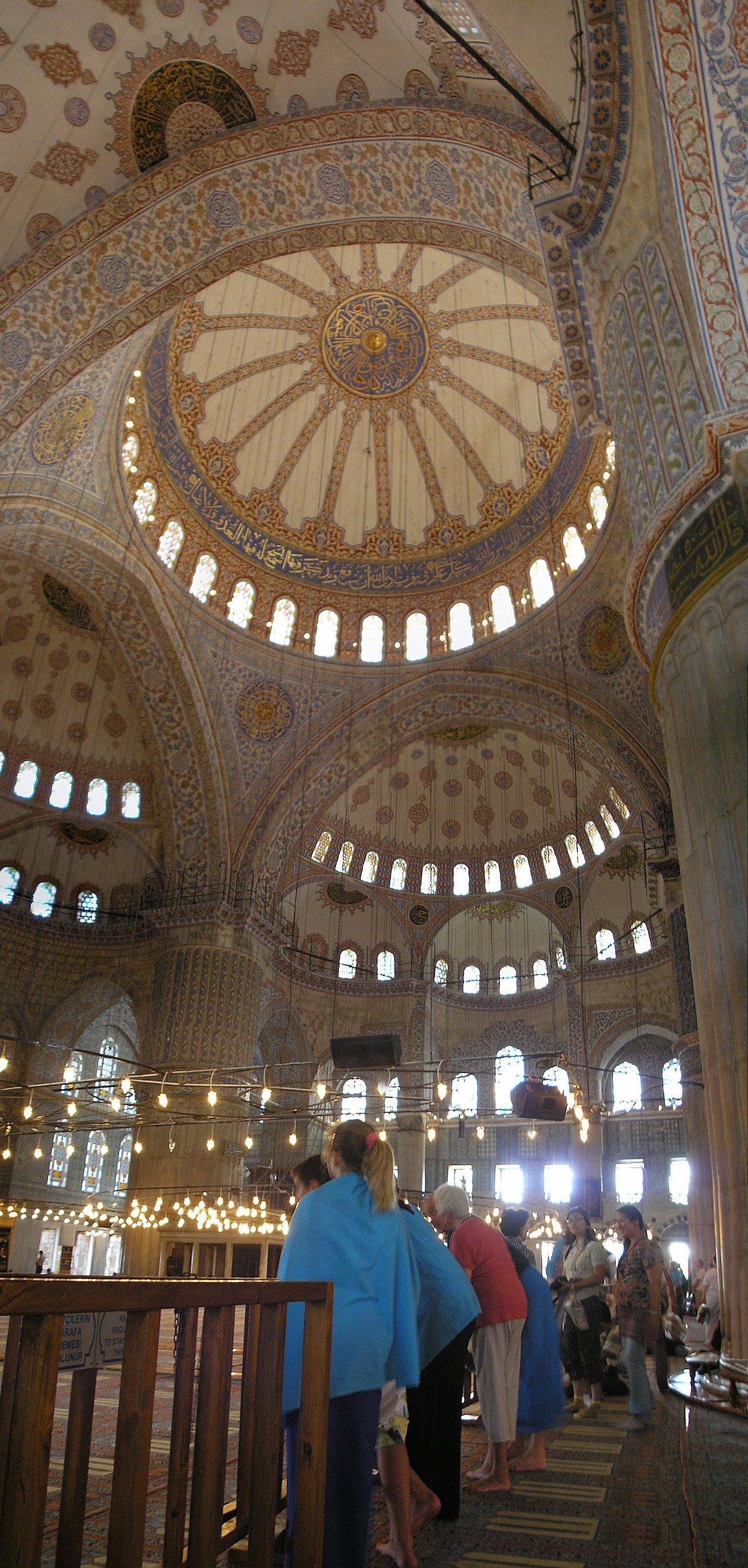


Form and characteristics
Geometrically a semi-dome is a hemisphere or segmental dome cut in half; structurally it transfers loads to the supporting walls or piers that form the rear of the apse. The interior surface is frequently a decorative field for mosaics, frescoes or carved stonework, and its concave geometry affects light and acoustics, concentrating sound and sight lines toward the focal point beneath the semi-dome. For construction details and terminology consult source.
History and development
Semi-domes appear in Roman architecture and became a standard device in early Christian basilicas to roof the sanctuary apse. They reach visual prominence in Byzantine churches, where large semi-domes cascade from a central dome, and later influenced Islamic and Ottoman mosque design. Many well-known monuments use semi-domes to articulate axial composition and hierarchy.
Uses and examples
- Covering the apse of a church or basilica, often behind the altar.
- Framing a mihrab or niche in Islamic architecture.
- Forming an exedra or a recessed seating area in public buildings and baths.
- Terminating the end of a barrel-vaulted roof.
For illustrations and case studies see related pages and additional entries at further reading.
Distinctions and notable facts
Architecturally, a semi-dome differs from a full dome by its half-spherical plan and its role as a terminus rather than a freestanding cap. The technical term conch is often used where the semi-dome is richly decorated like a shell. Because of its visual and acoustic focus it remains a recurring device in sacred and ceremonial architecture.
Related articles
Author
AlegsaOnline.com Semi-dome (architecture) Leandro Alegsa
URL: https://en.alegsaonline.com/art/88739
Sources
- commons.wikimedia.org : Semi-dome