
House of Stuart (Stewart): Scottish and British royal dynasty
Royal house originating in medieval Scotland that provided monarchs of Scotland and later England and Great Britain; known for the Union of the Crowns, Civil War, Restoration, and Jacobitism.
Overview
The House of Stuart (originally spelled Stewart) was a ruling family that rose to prominence in medieval Scotland and later supplied monarchs to both Scotland and England. Its members shaped politics, religion, and culture across the British Isles from the late Middle Ages into the early 18th century. The dynasty is associated with the personal union of the Scottish and English crowns, major constitutional conflicts, and the eventual shift of the British throne to a different house.
Image gallery
10 Images


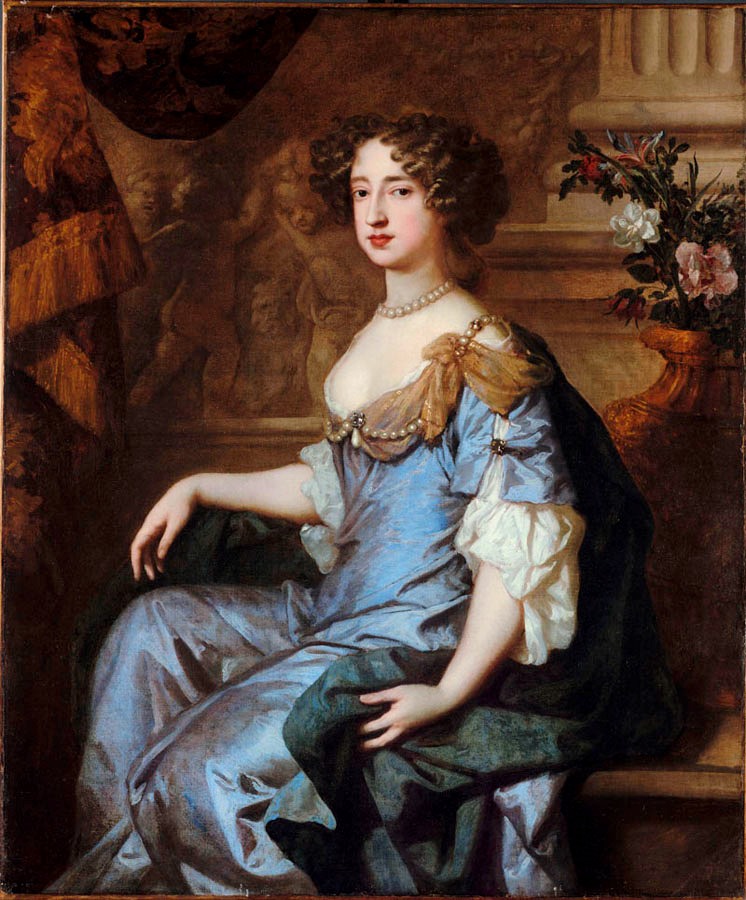

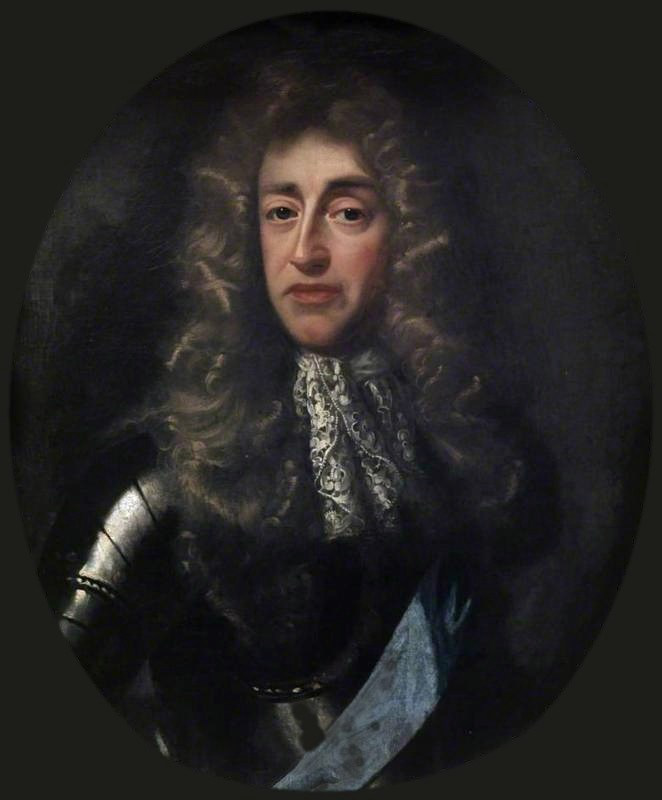
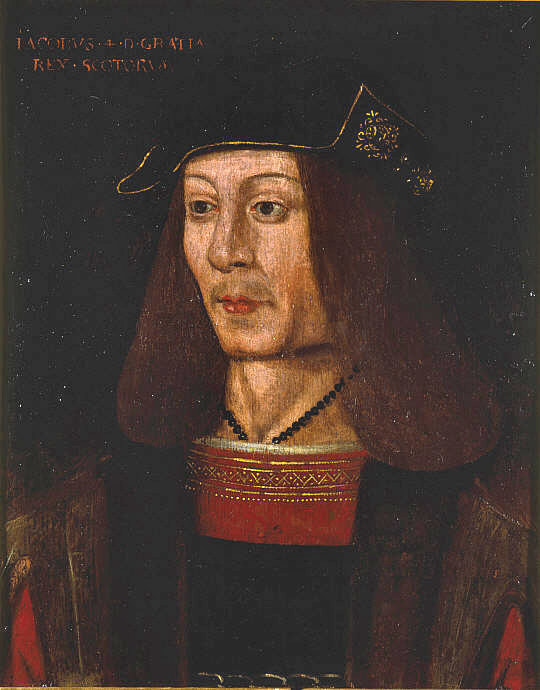
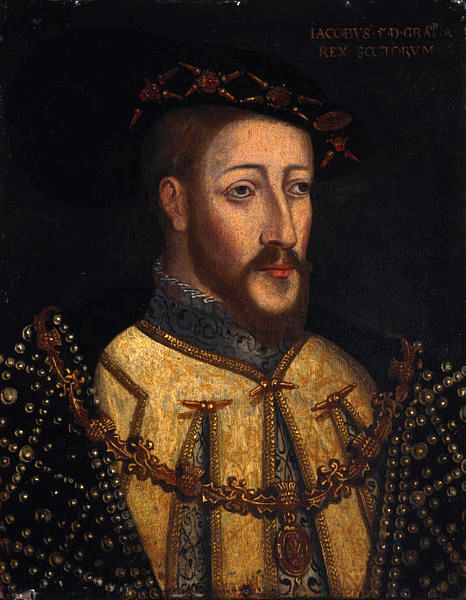

Origins and name
The family began when the hereditary office of High Steward of Scotland became dynastic; the surname Stewart derives from that title. Over generations the Stewarts consolidated land, marriages, and influence in Scotland, producing a sequence of Scottish monarchs. The alternate spelling Stuart became common after a queen spent time in France, where "Stuart" conformed to French spelling conventions.
Union of the Crowns and succession
The Tudor line in England ended with Elizabeth I, and in 1603 the Scottish king James VI inherited the English throne, becoming James I of England and bringing the two crowns into personal union. This transfer marked the ascent of the Stuarts to the English throne and began a period in which one dynasty ruled both kingdoms while they remained separate states with distinct parliaments and laws. The dynastic link is often discussed alongside the earlier Tudor monarchy (Tudor) and contemporary constitutional questions (England).
Major events and notable rulers
Stuart rule encompassed turbulent episodes: conflict over royal authority and religion escalated into the English Civil War; King Charles I was tried and executed, leading to the republican Interregnum. The monarchy was restored under Charles II, but later crises—particularly the accession of the Catholic James II and the 1688 Glorious Revolution—reconfigured monarchy and parliamentary power. Important figures include James VI and I, Charles I, Charles II, James II, and Queen Anne, the last Stuart sovereign.
- James VI & I — united crowns
- Charles I — Civil War and execution
- Charles II — Restoration
- James II — deposed in 1688
- Anne — final Stuart monarch; Act of Union era
Decline, Jacobitism and legacy
After Queen Anne's death the throne passed to the House of Hanover under legislation intended to secure a Protestant succession, but some supporters continued to press Stuart claims in the Jacobite movement. Those uprisings and the dynasty's complex religious and constitutional record left lasting effects on British politics, legal development, and cultural memory. The Stuarts feature frequently in literature, art, and historical debate about monarchy and parliamentary sovereignty.
Distinguishing features
Key aspects of the Stuart era include the interplay of monarchy and parliament, religious conflict between Protestant factions and Catholics, and the move from personal union toward a unified state. For further context see dedicated resources on the Stuart dynasty and historical surveys of Stewart/Stuart rule.
Questions and answers
Q: What is the House of Stuart?
A: The House of Stuart is a royal house that has ruled over both Scotland and England.
Q: What happened to the Tudor dynasty?
A: The Tudor dynasty ended with the death of Queen Elizabeth I in 1603.
Q: Who did Queen Elizabeth I name as her heir?
A: Queen Elizabeth I named her cousin James I as her heir.
Q: What happened when James I became the king?
A: James I became the king of England and started the Stuart dynasty.
Q: What is the significance of the House of Stewart?
A: The House of Stewart is historically important because their reign marked the end of the Tudor dynasty and the beginning of the Stuart dynasty.
Q: How long did the House of Stuart rule over Scotland and England?
A: The House of Stuart ruled over Scotland and England from 1603-1714.
Q: Who was the first king of the House of Stuart?
A: James I was the first king of the House of Stuart.
Related articles
Author
AlegsaOnline.com House of Stuart (Stewart): Scottish and British royal dynasty Leandro Alegsa
URL: https://en.alegsaonline.com/art/45338