
John Constable — English landscape painter
John Constable (1776–1837) was an English landscape painter known for naturalistic depictions of the Suffolk countryside, cloud studies, and influential works such as The Hay Wain. He shaped 19th-century landscape art.
Overview
John Constable (born in East Bergholt, Suffolk in 1776; died in London in 1837) was an English painter whose work helped redefine landscape painting in the early 19th century. Rather than idealizing the countryside, Constable emphasized close observation of nature: weather, light, vegetation and the everyday features of rural life. He is best known for large, evocative canvases and for a large body of oil sketches and drawings made from direct study of the landscape.
Image gallery
10 Images




Life and early career
Constable came from a prosperous family that owned corn mills in Suffolk. His father's business provided financial stability, and his family expected him to take over the mill. Instead, Constable pursued art from a young age and ultimately secured his family's permission to study and work as a painter. He spent much of his life painting places around his native region — particularly Dedham Vale — while maintaining ties to the London art world.
Style, technique and subjects
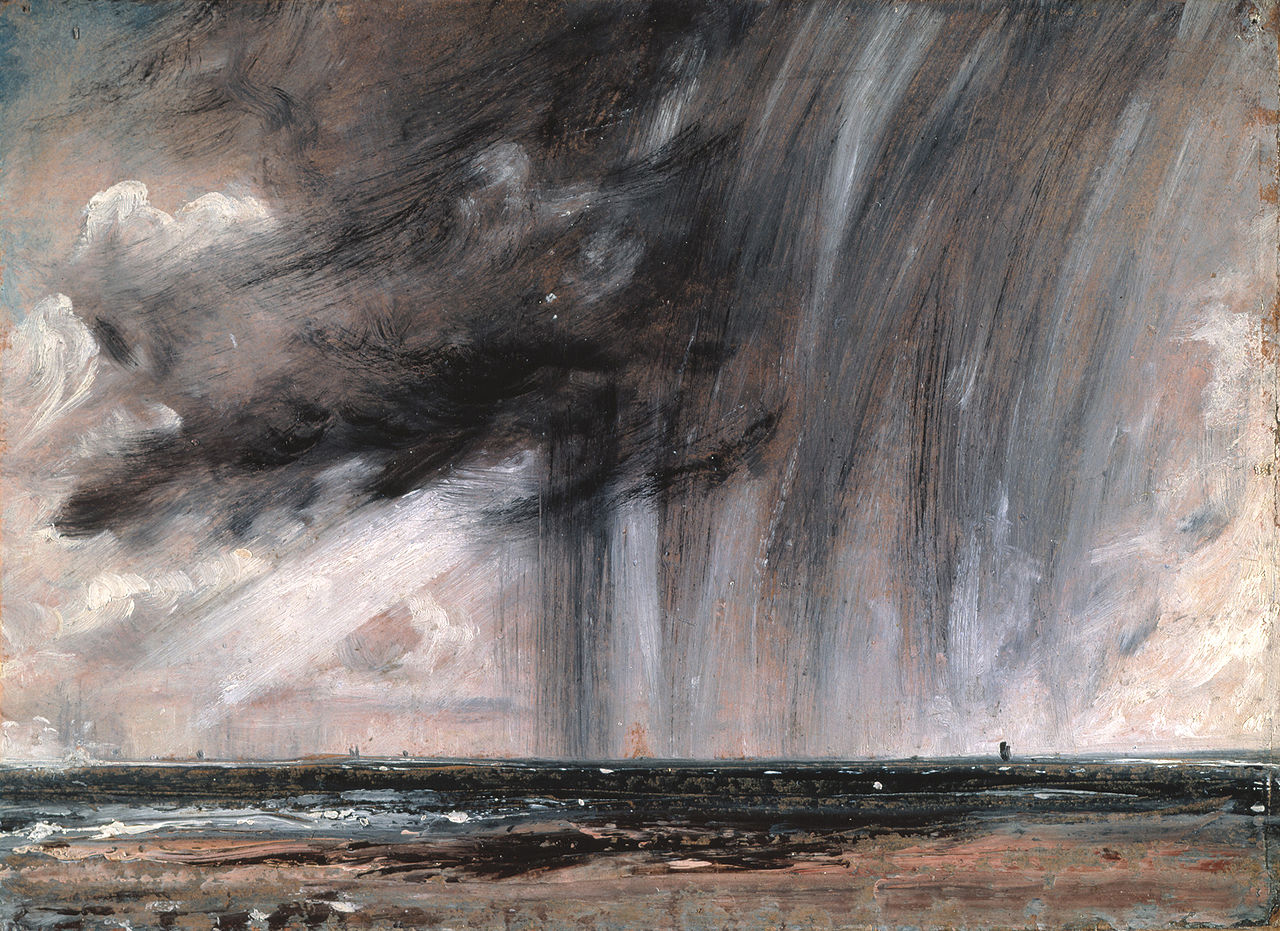
Constable is noted for his focus on everyday rural scenes rather than classical or historical subjects. He advanced a practice of detailed oil sketches and field studies that recorded transient effects of sky and weather; these preparatory works informed his finished paintings. His palette and brushwork often emphasized texture and atmosphere: broken brushstrokes, visible handling, and careful attention to cloud formations. He admired earlier landscape artists such as Claude Lorrain, but he rejected strictly idealized compositions in favor of empirical study of light and atmosphere.
Major works and exhibition history
- The Hay Wain (exhibited at the Paris Salon in 1824) remains his most famous painting and is widely associated with English pastoral imagery.
- Dedham Vale and other views of the Stour river valley repeatedly appear across his oeuvre as variants and studies.
- Salisbury Cathedral from the Meadows and several other large-scale landscapes show his range in handling architectural and atmospheric elements together.
Constable enjoyed considerable acclaim in France during his lifetime, where critics and painters admired his direct approach to nature. In Britain recognition came more slowly; he was elected a member of the Royal Academy only later in life.
Personal life and legacy
In 1816 Constable married Maria Bicknell; the couple had several children. Maria died of illness in the late 1820s, which deeply affected him — her illness has been identified in historical accounts with disease such as tuberculosis, though contemporary records vary. Constable's output includes both finished public works and numerous oil sketches and watercolours that were important for later generations.
Importance and distinctions
Constable's insistence on painting from nature influenced the development of landscape painting across Europe, contributing to later movements that emphasized plein-air practice and natural light. He is remembered for elevating humble rural scenes to subjects worthy of major canvases and for a working method that balanced observation with compositional purpose. Modern viewers encounter his paintings in major collections and exhibitions, and his life and practice continue to be studied for their impact on 19th-century art.
For further introductory reading on his birthplace and early environment see East Bergholt, for the locations associated with his death see London, and for broader context consult resources on the tradition of the English painter and landscape artist.
Questions and answers
Q: Who was John Constable?
A: John Constable was an English painter and artist born in East Bergholt, Suffolk in 1776.
Q: Did Constable come from a wealthy family?
A: Yes, Constable's family had plenty of money because his father owned a business running corn mills.
Q: What did Constable's father want him to do?
A: Constable's father wanted him to take over the family business after him.
Q: Did Constable follow his father's wishes regarding the family business?
A: No, Constable started painting at an early age and convinced his father to let him follow art as a career.
Q: Did Constable marry and have children?
A: Yes, Constable married Maria Bicknell in 1816 and they had seven children.
Q: Did Constable's work become more appreciated during his lifetime in England or France?
A: In his lifetime, Constable's work was more appreciated in France.
Q: What is Constable's most famous painting and where is it currently displayed?
A: Constable's most famous painting is The Hay Wain and it is currently displayed in the National Gallery in London.
Related articles
Author
AlegsaOnline.com John Constable — English landscape painter Leandro Alegsa
URL: https://en.alegsaonline.com/art/50597