
Jjigae: Korean stews and hot-bowl dishes
Jjigae are Korean stews—thicker and heartier than soups—made with meat, seafood or vegetables in flavored broths. This article explains ingredients, varieties, history, and how they are served.
Overview
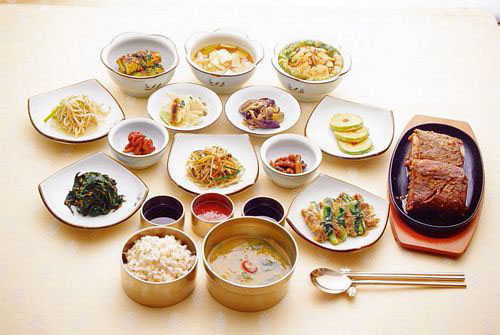
Jjigae (찌개) refers to a family of Korean stew-like dishes that are thicker and more intensely flavored than a simple soup. Often served bubbling hot in a shared pot or in individual bowls, jjigae is commonly eaten with a bowl of steamed rice and several side dishes. It occupies a central place at everyday Korean meals, where one main jjigae or a guk (국, soup) will usually appear alongside banchan (side dishes).
Image gallery
5 Images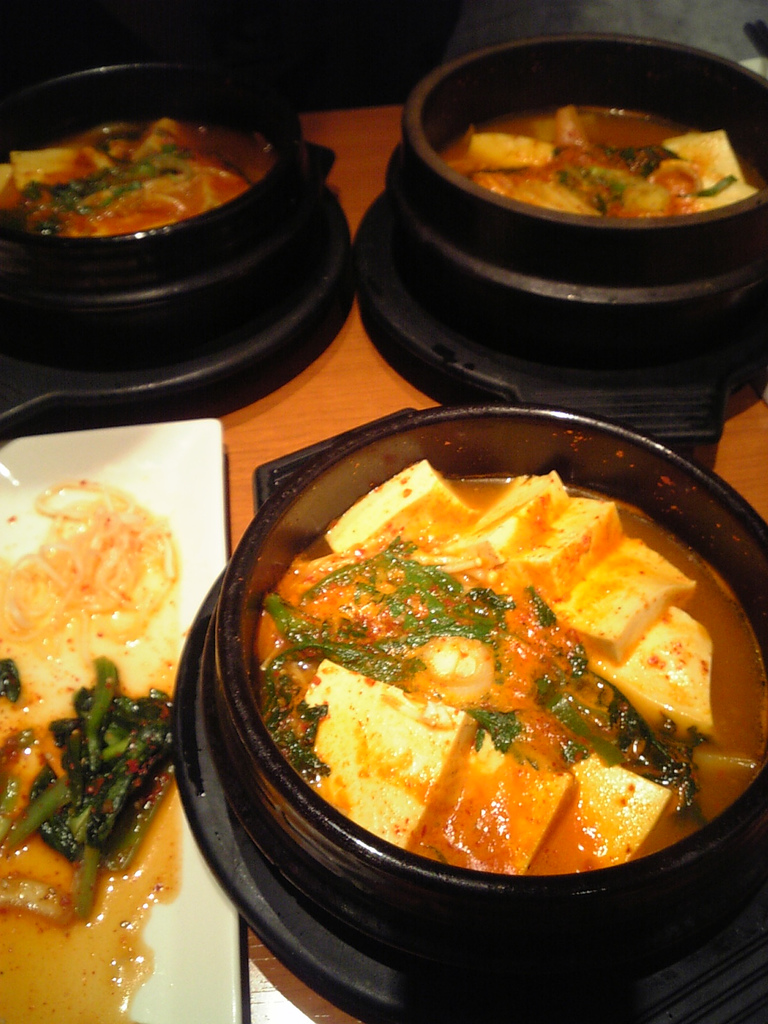


Ingredients and basic preparation
At its core, jjigae combines a broth with substantial ingredients. Broths may be made from dried anchovies and kelp, beef or chicken stock, or even a simple water base that picks up flavor from the seasonings and main ingredients. Typical main components include meat, seafood or an assortment of vegetables and tofu. The pot is flavored with one or more Korean condiments such as gochujang (fermented red pepper paste), doenjang (fermented soybean paste), or ganjang (soy sauce), and often spiced further with red chili pepper or gochugaru (chili flakes). Ingredients are usually simmered until fully melded, and many jjigae are finished with scallions, sesame oil, or a raw egg cracked in at the end for extra richness.
Common varieties
- Kimchi jjigae: made with aged kimchi, pork (or tuna), tofu and scallions; one of the most ubiquitous home-style stews.
- Doenjang jjigae: based on fermented soybean paste with vegetables, tofu and sometimes shellfish or meat.
- Sundubu jjigae: a spicy soft-tofu stew often containing seafood or pork and served in a hot stone pot.
- Haemul jjigae: a seafood-centric stew showcasing clams, mussels, squid and fish with a lighter broth.
History and cultural role
Jjigae has evolved alongside Korean agricultural and preservation practices. Fermented condiments like doenjang and gochujang, plus preserved kimchi, provided the concentrated flavors that distinguish jjigae from milder soups. In historical records the term for similar stews appears under older names; in the Joseon era, related dishes were sometimes referred to by terms such as jochi. Today, jjigae remains a daily comfort food and a staple of shared meals — inexpensive, adaptable, and warming.
How it is served and eaten
Jjigae is typically presented at the center of the table and eaten communally, scooped into individual bowls and paired with rice which helps balance the bold flavors. Restaurants specializing in jjigae often serve it in a boiling stone or metal pot that keeps the stew hot throughout the meal. Leftovers are commonly mixed with rice or used as a base for fried rice at the end of a meal.
Distinctions and notable points
While guk and tang are other Korean soup categories, they tend to be thinner and more broth-forward; jjigae emphasizes solid ingredients and a concentrated taste. The range of jjigae—from mild, soy-bean-based herbs to fiery red stews—reflects regional ingredients, household preferences, and seasonal produce, making it one of the most versatile and enduring elements of Korean cuisine.
Related articles
Author
AlegsaOnline.com Jjigae: Korean stews and hot-bowl dishes Leandro Alegsa
URL: https://en.alegsaonline.com/art/50335
Sources
- commons.wikimedia.org : Jjigae
- 100.naver.com : "네이버 백과사전"
- 100.nate.com : Jjigae