
Jug (container): form, function, history and common types
A jug is a handled vessel for storing and pouring liquids. This article describes its form, materials, history, common uses, and how it differs from similar containers.
Overview
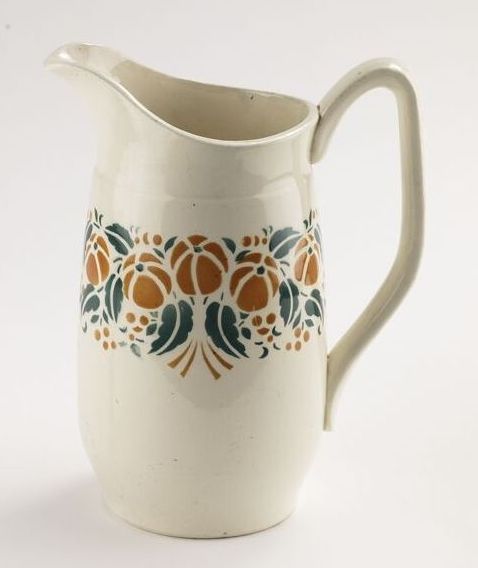
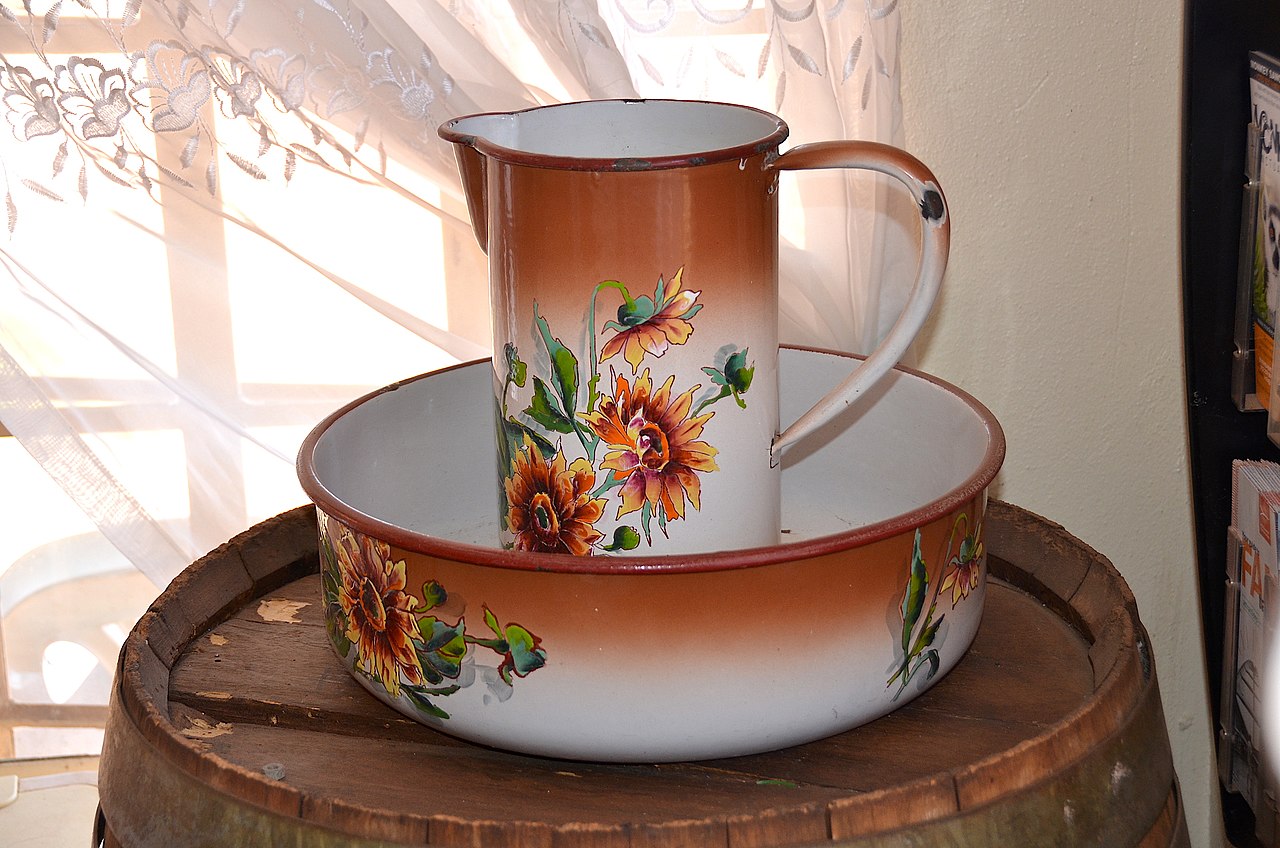
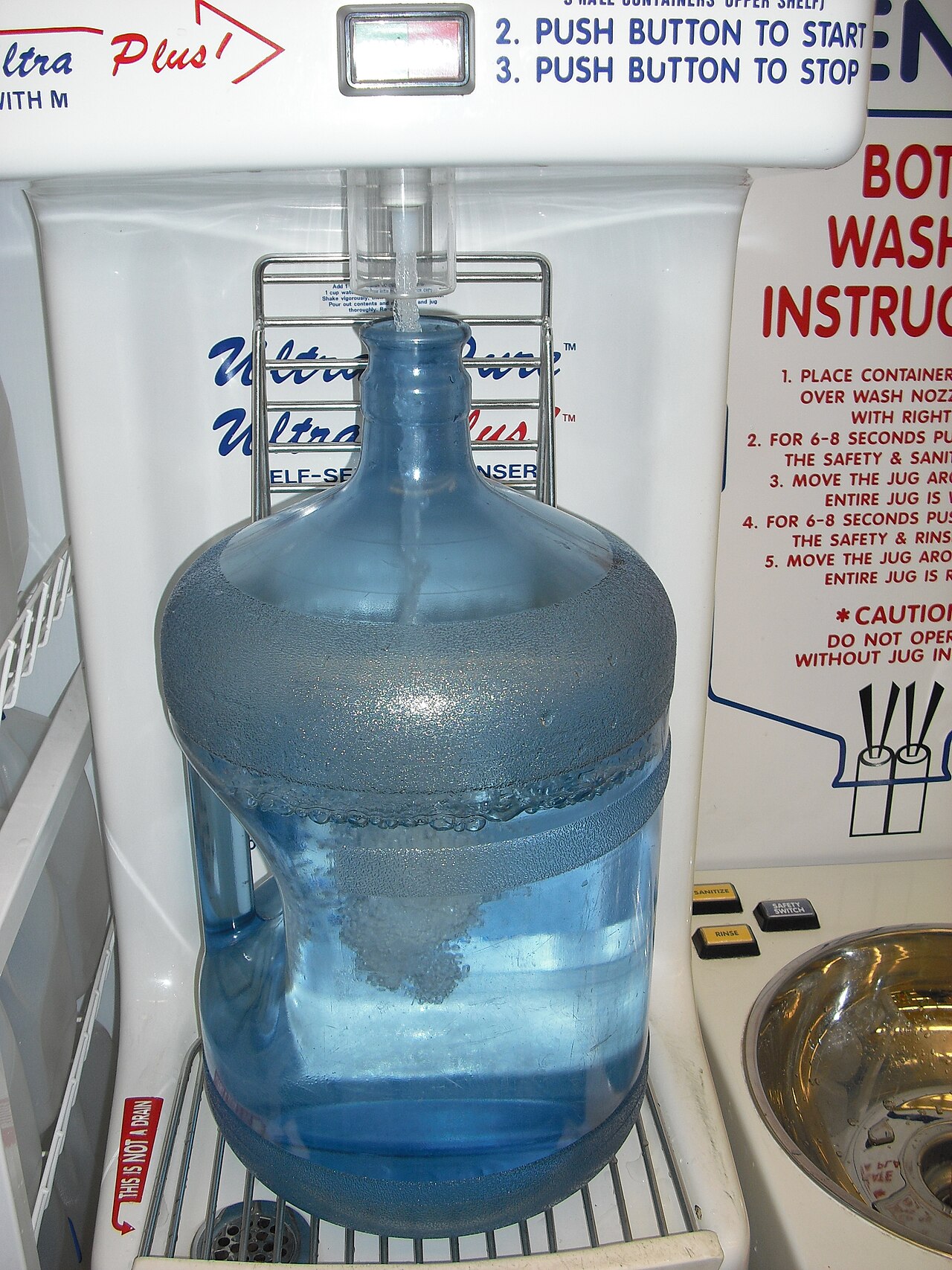
A jug is a vessel designed primarily to hold and dispense liquids. It typically features a narrow or moderate opening for controlled pouring, and most jugs have an integrated handle to aid lifting and tipping. Jugs serve domestic, commercial and industrial roles and are made in a wide range of sizes, from small cream jugs to large water carriers.
Image gallery
10 Images





Characteristics and parts
Basic components include a body to contain fluid, an opening or mouth through which liquid is poured, a spout or lip that directs flow, and a handle for gripping. Materials commonly used are glass, ceramic, metal and various plastics; each affects weight, insulation and suitability for particular liquids. Some jugs have lids or stoppers to reduce spillage and contamination.
History and development
Vessels for carrying liquids predate written history and evolved independently in many cultures. Early jugs were wheel-thrown or hand-shaped from clay and later produced in metal or blown glass as technologies advanced. Functional changes followed changes in daily life and trade: improved sealing, standardized shapes for commerce, and materials suited to refrigeration or transport.
Uses and examples
Jugs are used to store and pour drinking water, milk, oil, syrups and many other liquids. In households they appear as milk jugs and water jugs; in food service as syrup or sauce dispensers; and in laboratories or workshops as graduated or chemical-resistant containers. Their design balances capacity, ease of pouring and resistance to tipping.
Types and distinctions
- Pitcher: often used interchangeably with jug in some regions, but may imply a more open top and table use.
- Carafe: typically more slender and without a handle, used for serving beverages.
- Demijohn and flagon: larger, historically distinct names for bulky liquid containers.
Notable considerations
Choosing a jug involves matching material to purpose (for example, glass for inert storage, plastic for lightweight portability) and considering hygiene, temperature tolerance and ease of cleaning. For further general information on containers see container overview, and for specifics about water storage see water storage guidance.
Related articles
Author
AlegsaOnline.com Jug (container): form, function, history and common types Leandro Alegsa
URL: https://en.alegsaonline.com/art/51452