
Jammu and Kashmir (union territory)
Jammu and Kashmir is a northern union territory of India formed in 2019. This article outlines its geography, administrative change, borders, governance, economy and cultural significance.
Overview: Jammu and Kashmir is a northern union territory of India. It occupies land on the western Himalaya and adjacent plains and is one of two territories created from the former state of Jammu and Kashmir. The area has varied terrain, from temperate valleys to high mountains, and contains major cultural and religious sites.
Image gallery
10 Images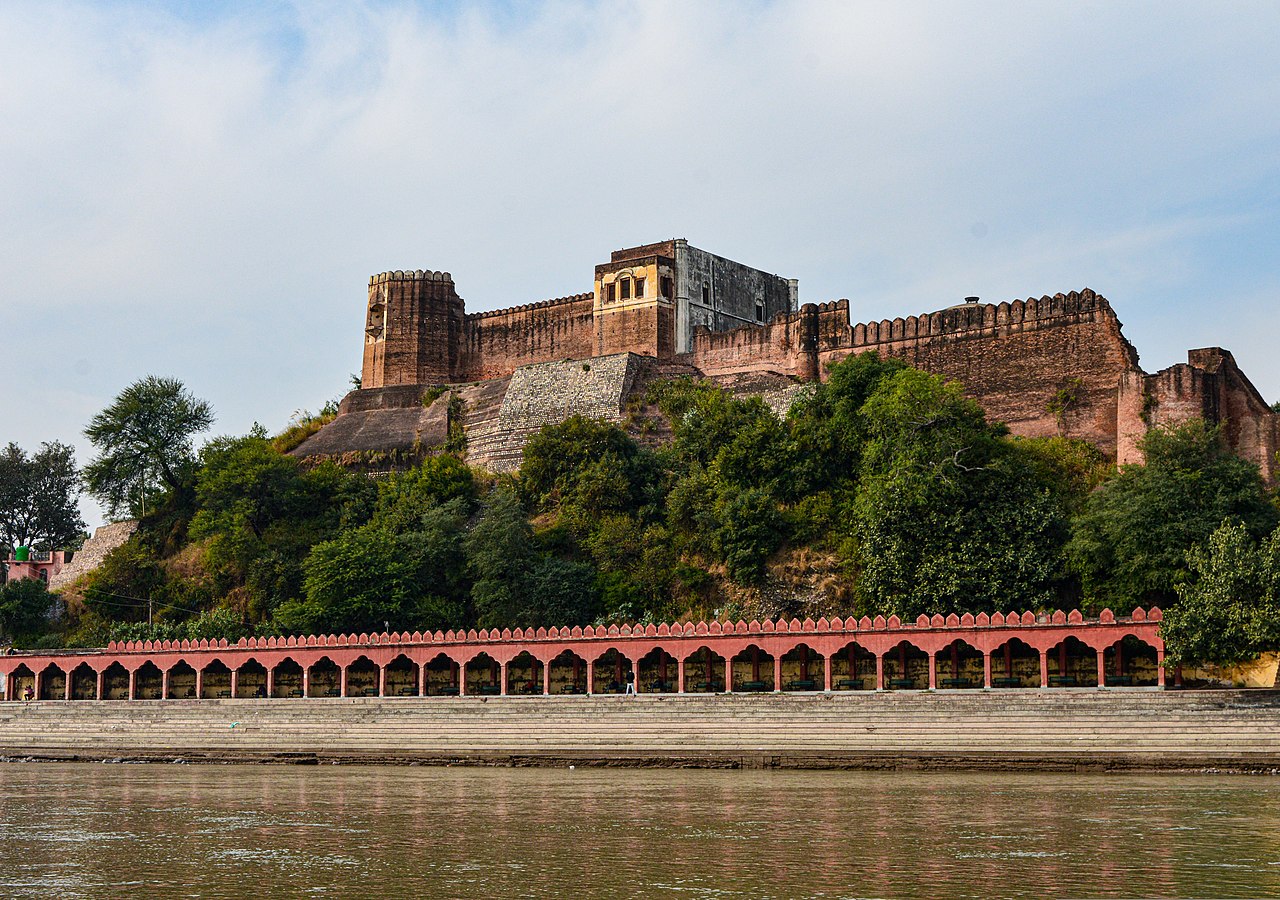


Geography and borders
The union territory is separated from Pakistan-administered areas by the Line of Control. To the west lie the Pakistani-administered region of Azad Kashmir and to the north the territory commonly called Gilgit-Baltistan. Internally, the union territory adjoins Indian states and territories such as Himachal Pradesh, Punjab and, to the east, the union territory of Ladakh. The climate and ecology vary significantly with elevation, supporting agriculture in valleys and alpine conditions at altitude.
History and reorganisation
Administratively, Jammu and Kashmir in its present form was created under the Jammu and Kashmir Reorganisation Act, 2019 after approval by the Parliament of India. That legislation divided the former state of Jammu and Kashmir into two separate union territories: the current union territory of Jammu and Kashmir and the union territory of Ladakh. The change altered the region's constitutional status and governance framework.
Administration and governance
As a union territory it has a distinct administrative model: some powers are exercised by a locally elected legislature and council of ministers, while others fall under the authority of the central government represented by a Lieutenant Governor. The reorganisation also affected law, land ownership rules and the role of the judiciary, with ongoing legal and policy developments since 2019.
Economy, culture and importance
The economy combines agriculture (including fruit orchards), tourism, handicrafts and public services. The Kashmir Valley is known for tourism attractions such as lakes, shrines and mountain scenery, while Jammu serves as an administrative and pilgrimage center. The region has a diverse cultural mix of languages, religious traditions and crafts that contribute to its social identity and economic life.
Notable facts and distinctions
- It is one of India’s northernmost territories and a strategically sensitive region due to international borders.
- The reorganisation of 2019 remains a defining administrative turning point in its modern governance.
- Geographic diversity leads to varied livelihoods and environmental concerns, including watershed management and sustainable tourism.
For readers seeking more detail, official documents and regional studies provide legal texts, demographic data and maps that explain boundaries, governance provisions and socio-economic profiles in greater depth.
Questions and answers
Q: What is Jammu and Kashmir?
A: Jammu and Kashmir is a northern union territory of India.
Q: What is the Line of Control?
A: The Line of Control is a border separating Jammu and Kashmir from the Pakistani-administered territories of Azad Kashmir and Gilgit-Baltistan in the west and north respectively.
Q: What does Jammu and Kashmir share a border with?
A: Jammu and Kashmir shares a border with Himachal Pradesh and Punjab and to the west of Ladakh.
Q: What happened to Jammu and Kashmir in August 2019?
A: In August 2019, Jammu and Kashmir (state) was divided into two union territories, namely Jammu and Kashmir and Ladakh, under the Jammu and Kashmir Reorganisation Act, 2019.
Q: Who passed the Jammu and Kashmir Reorganisation Act, 2019?
A: The Jammu and Kashmir Reorganisation Act, 2019 was passed by both houses of the Parliament of India.
Q: What is the significance of the Jammu and Kashmir Reorganisation Act, 2019?
A: The Jammu and Kashmir Reorganisation Act, 2019 divided the state of Jammu and Kashmir into two union territories and made significant changes to the governance structure of the region.
Q: Which territories did Jammu and Kashmir become separated from due to the Line of Control?
A: Jammu and Kashmir became separated from the Pakistani-administered territories of Azad Kashmir and Gilgit-Baltistan due to the Line of Control.
Related articles
Author
AlegsaOnline.com Jammu and Kashmir (union territory) Leandro Alegsa
URL: https://en.alegsaonline.com/art/49320
Sources
- thehindu.com : "What is the Darbar Move in J&K all about?" · web.archive.org
- livemint.com : "Jammu and Kashmir transitions from a state into 2 federal units"
- publications.americanalpineclub.org : "Saser Kangri – AAC Publications – Search The American Alpine Journal and Accidents" · web.archive.org
- books.google.com : The Parchment of Kashmir: History, Society, and Polity · web.archive.org
- ethnologue.com : "Bhadrawahi"
- ethnologue.com : Bateri
- npr.org : "Pakistan's "Burushaski" Language Finds New Relatives"
- jktourism.org : Department of Tourism, Jammu and Kashmir
- sg.inflibnet.ac.in : sg.inflibnet.ac.in/jspui/bitstream/10603/90065/8/08_chapter2.pdf