
Ladakh: geography, people, history and contemporary significance
Ladakh is a high‑altitude region in northern India known for stark mountain landscapes, Tibetan Buddhist culture, strategic border position, and a growing tourism economy; it became a separate Union Territory in 2019.
Overview
Ladakh occupies a high, sparsely populated part of the western Himalaya and adjacent ranges. Often described as a cold desert, the area is noted for dramatic mountain passes, wide river valleys and long, sunlit plains. Its cultural identity shows a strong Tibetan Buddhist influence alongside Indo‑Aryan and Muslim communities. In modern administration Ladakh is a Union Territory of India, formed in 2019 from the erstwhile state of Jammu and Kashmir.
Image gallery
10 Images




Geography and climate
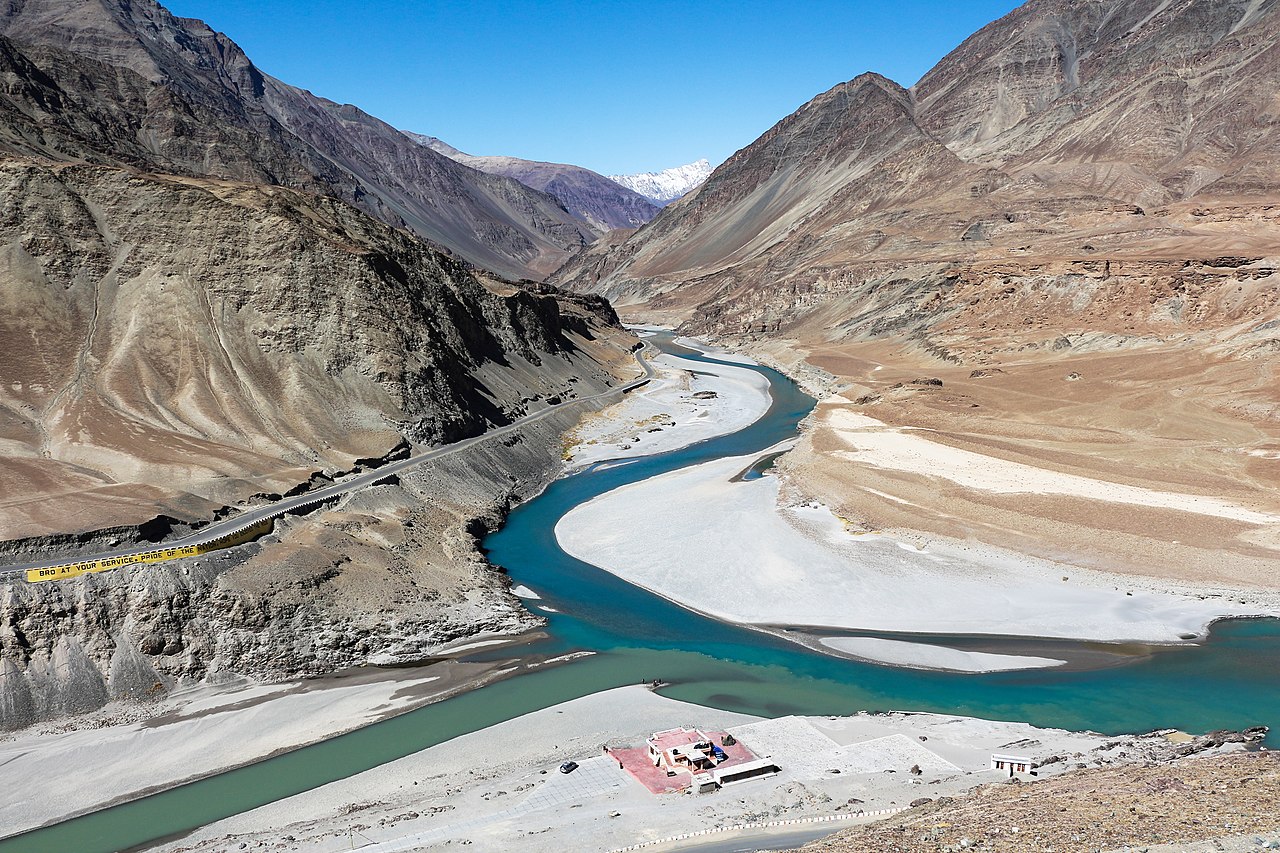
Geographically Ladakh lies between the main Himalayan chain to the south and ranges that extend toward the Tibetan Plateau in the north. The Indus River and its tributaries carve important valleys such as Zanskar and Nubra, while the high Changthang plateau rises in the east. Elevations commonly exceed 3,000–4,000 metres, producing a cold, arid climate with short summers, long winters and large daily temperature swings. Some areas, notably Aksai Chin, are remote and subject to overlapping territorial claims.
People, language and culture
The population is small and unevenly distributed. Two principal urban centres are Leh and Kargil; Leh is the largest town and cultural hub for Buddhists, while Kargil has a substantial Muslim population. Languages include Ladakhi (an archaic Tibetan dialect), various Dardic and Indo‑Aryan tongues, and Urdu used for administration. Traditional life combines agriculture, pastoralism and handicrafts; Buddhist monasteries, festivals and distinct dress and architecture remain visible features of daily life.
History and political status
Ladakh historically served as a crossroads of trade connecting South and Central Asia and Tibet, with caravan routes bringing salt, wool, textiles and spices. Over centuries local dynasties, Tibetan influence and later the Dogra and British administrations shaped the region. In the second half of the 20th century the area acquired strategic significance on the India–China border, and military deployment increased. Under the Jammu and Kashmir Reorganisation Act of 2019, Ladakh was separated from Jammu & Kashmir and constituted as a distinct Union Territory of India.
Economy, transport and tourism
Traditional livelihoods include subsistence agriculture in river valleys and pastoralism on high pastures. Modern economic activity centers on tourism, which expanded from the 1970s and focuses on trekking, cultural pilgrimage, and adventure sports. Limited road links and seasonal passes constrain transport; air service to Leh is important for year‑round access. Cross‑border trade that once passed through the region has been greatly reduced by mid‑20th century political changes.
Environment and notable facts
Ecologically Ladakh supports fragile and distinctive high‑altitude ecosystems. Wildlife such as the snow leopard and Tibetan wild ass (kiang) occur in protected and remote areas. Water resources are tied to glaciers and seasonal snowmelt, making them sensitive to climate change. The region is often called "Little Tibet" because of cultural and religious affinities, but it also contains a mosaic of peoples and histories that distinguish it from neighbouring plateaus.
References and links
- Geographical overview and passes
- Union Territory status and administration
- Mountain scenery and trekking
- Cultural influences: Tibetan and Indo‑Aryan
- Ladakhi language background
- Population and density information
- Historic extent and neighbouring regions
- The Indus River in Ladakh
- Zanskar valley
- Relations with Lahaul and Spiti
- Aksai Chin and disputed areas
- Nubra valley and northern routes
- Border with Tibet/China
- Connections with Kashmir
- Jammu region relations
- Historical trade and caravan routes
- Important historical trade intersections
- China's border policies and impact
- Tourism development in Ladakh
- Regional disputes and the wider Kashmir issue
- Military presence and strategic considerations
- Leh: administrative and cultural centre
- Kargil: a second urban centre
- Legislative changes leading to Union Territory status
Questions and answers
Q: What is Ladakh?
A: Ladakh is a Union Territory in northern India located between the Kunlun mountain range in the north and the main Himalayas to the south. It is well-known for its remote mountain scenery and has been strongly influenced by Tibetan culture, earning it the nickname "Little Tibet".
Q: What was historically included in Ladakh?
A: Historically, the region of Ladakh included neighbouring Baltistan, the Indus and Zanskar Valleys, Lahaul and Spiti, Aksai Chin and the Nubra Valley.
Q: How has international trade been affected since 1960s?
A: Since China closed its border with Tibet in 1960s, international trade has suffered significantly.
Q: What is an important source of income for Ladakh's economy?
A: Tourism has been very important for Ladakh's economy since about 1974.
Q: Who are most of people living in Leh?
A: Most people living in Leh are followers of Shia Islam.
Q:What percentage of population are Buddhists ?
A: Buddhists make up 35% of population in Ladakh.
Q: Why have some activists called for making Ladakh into a union territory ?
A: Some activists have called for making Ladakh into a union territory because it has religious and cultural differences with Kashmir which is mostly Muslim.
Related articles
Author
AlegsaOnline.com Ladakh: geography, people, history and contemporary significance Leandro Alegsa
URL: https://en.alegsaonline.com/art/55290
Sources
- egazette.nic.in : egazette.nic.in
- kashmirobserver.net : "Ladakh Gets Civil Secretariat"
- dailyexcelsior.com : "LG, UT Hqrs, Head of Police to have Sectts at both Leh, Kargil: Mathur"
- mha.nic.in : "MHA.nic.in"
- peakbagger.com : "Saltoro Kangri, India/Pakistan"
- jammu-kashmir.com : "Kargil Council For Greater Ladakh"