
Punjab (Indian state): geography, history, culture and economy
Indian state in the north known as the land of five rivers; a major agricultural region, birthplace of Sikhism, and a culturally vibrant area with shared capital Chandigarh.
Punjab is a state in northern India occupying part of the larger historical Punjab region. Its administrative capital is Chandigarh, a planned city that serves as a union territory and also functions as the capital of neighbouring Haryana. The name "Punjab" derives from Persian words meaning "five waters," a reference to the great river system that shaped the region. The state in its present borders covers roughly 50,362 km² and had a population of about 27.7 million according to the 2011 census; its size and role are often described in regional comparisons and maps (area figures, comparison with Slovakia and Costa Rica). The greater cultural and historical landscape is commonly called the Punjab region, and in traditional Indian geography it lies in the North Indian zone.

Image gallery
10 Images
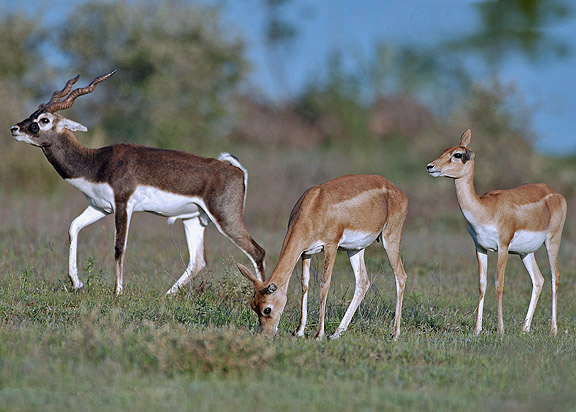


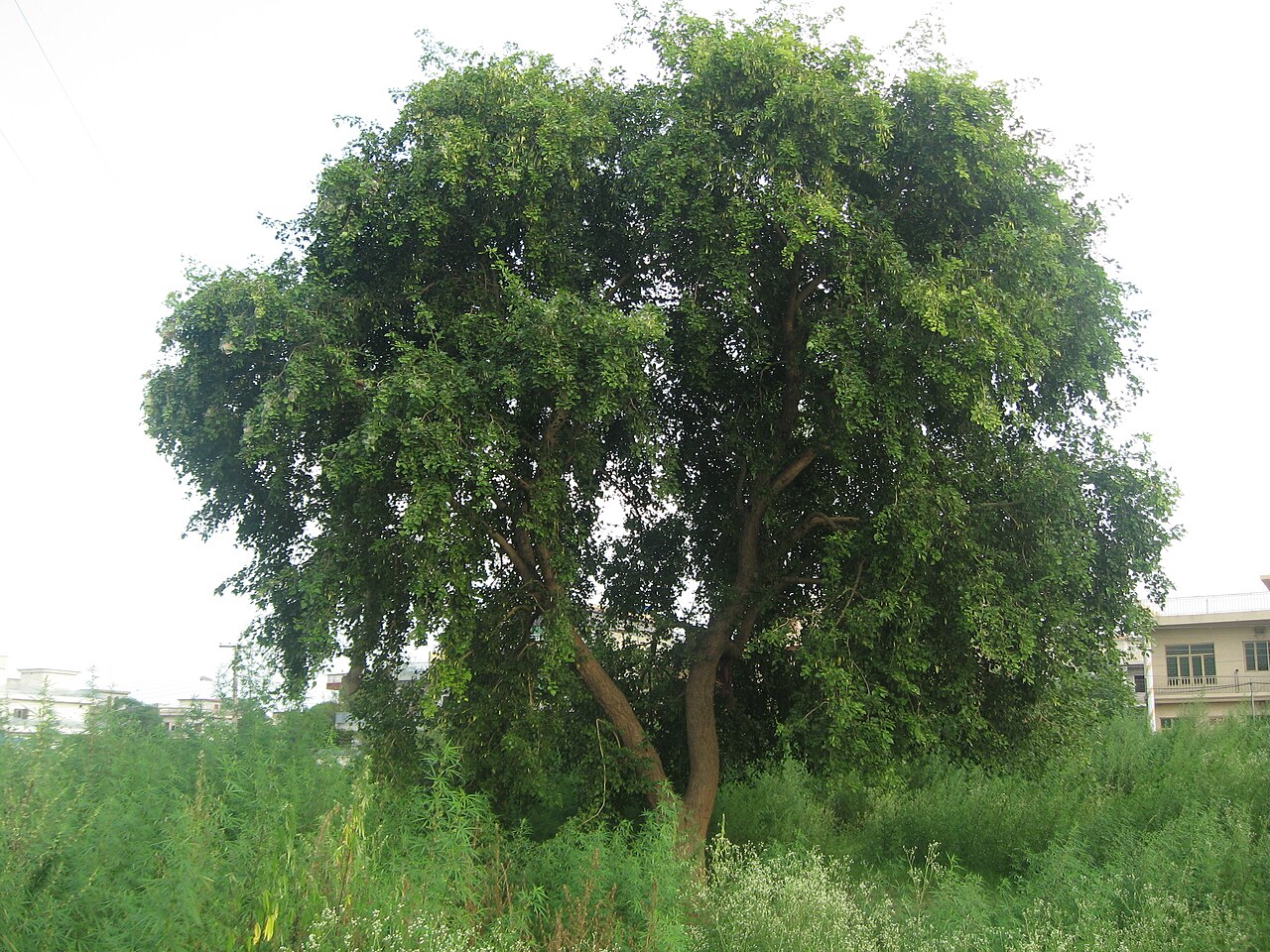


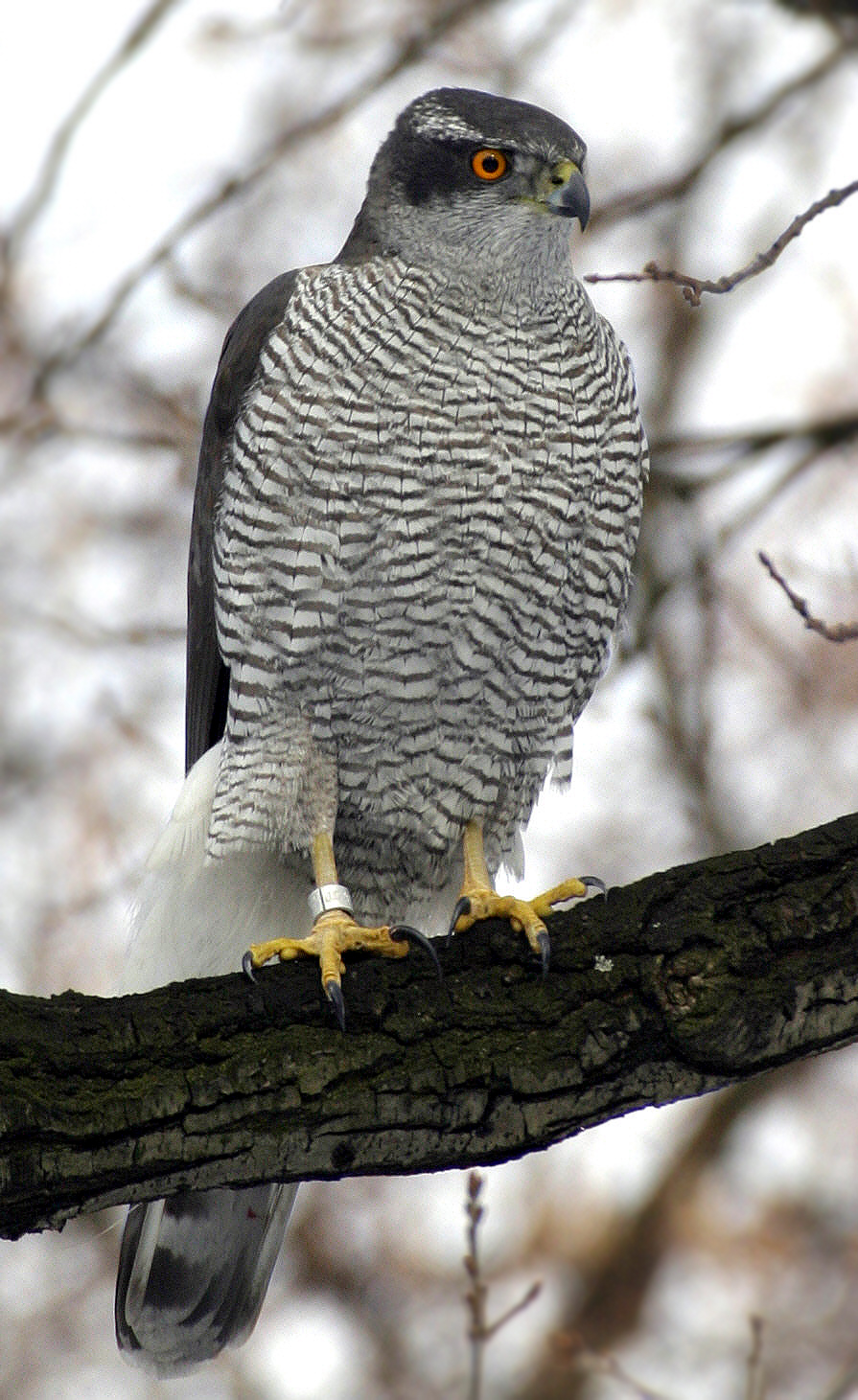
Geography and environment
The state's terrain is mainly fertile alluvial plain fed historically by rivers of the Indus basin; principal Indian rivers in and near the state include the Sutlej, Beas and Ravi. This fertile landscape supports intensive agriculture supported by extensive canal systems and groundwater irrigation. Punjab's climate is continental with hot summers, a monsoon season, and cool winters; its landscapes range from plains to low hills near the Himalayan foothills in the northeast.
History and development
Punjab has a long recorded history as a crossroads of cultures and empires. It is widely recognised as the birthplace of Sikhism in the 15th–16th centuries and contains many important Sikh religious sites. The modern political boundaries of Indian Punjab were shaped by the 1947 Partition of British India, which divided the greater Punjab between India and Pakistan and led to large population movements. In the decades after independence the state played a central role in India's Green Revolution, adopting high-yield crop varieties and modern farming methods that transformed agricultural productivity.
Economy, agriculture and industry
Agriculture remains a dominant part of Punjab's economy: the state produces significant quantities of wheat, rice and other staples and has been called one of India's major food-producing regions. Alongside farming, Punjab has a diverse industrial base with textile mills, light manufacturing, agro-processing and specialised clusters such as sports goods and bicycle components. Urban centres like Ludhiana and Jalandhar combine manufacturing, trade and service activities with rural economies.
Culture, language and society
Punjabi culture is distinguished by its language (written in the Gurmukhi script in India), music and dance traditions such as bhangra and gidda, and a calendar of festivals including Vaisakhi and Lohri. Religion in Punjab is plural: Sikhism is a major faith with vibrant institutions and pilgrimage sites, while Hinduism, Islam and other communities also contribute to the state's social fabric. Punjabi identity extends far beyond the state through a large global diaspora.
Administration and notable facts
The state is divided into more than twenty administrative districts (commonly cited around twenty-two in recent decades) and governed from Chandigarh, which is administratively separate from the state. Major cities include Amritsar, Ludhiana, Jalandhar, Patiala and Bathinda. Punjab's history, agricultural importance and cultural influence make it a prominent and widely recognised part of northern India and the wider South Asian region.
- Official language and cultural medium: Punjabi (Gurmukhi script)
- Shared capital: Chandigarh
- Part of the historical Punjab region known as the "land of five rivers"
- Situated within the North Indian geographical zone
Author
AlegsaOnline.com Punjab (Indian state): geography, history, culture and economy Leandro Alegsa
URL: https://en.alegsaonline.com/art/129045