
Parliament of India: composition, powers and functions
The Parliament of India is the national legislature comprising the President, Lok Sabha and Rajya Sabha. This article explains its structure, powers, lawmaking process, and notable features.
Overview
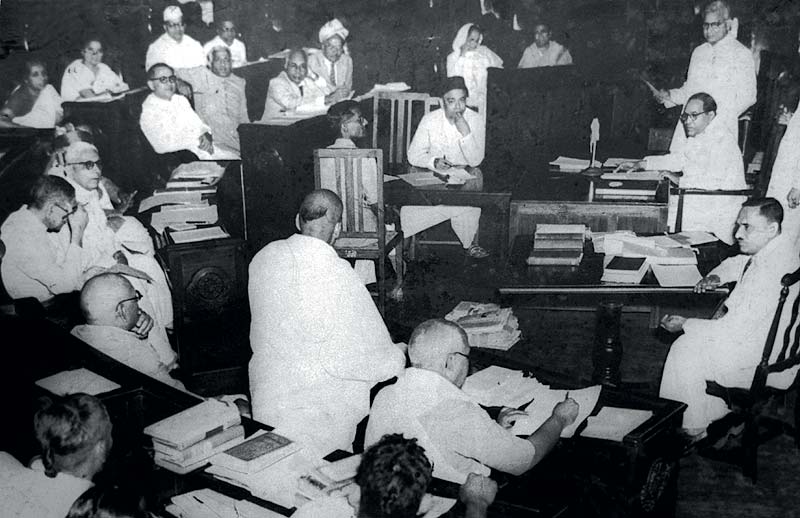
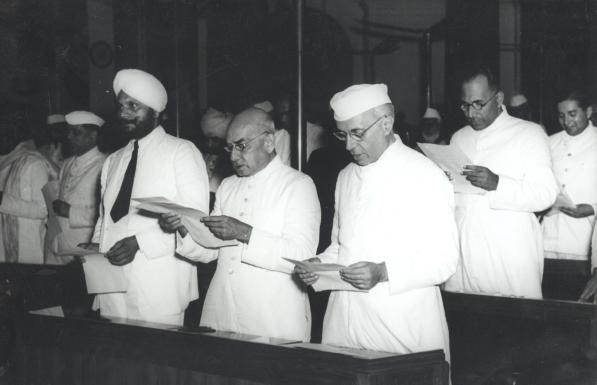
The Parliament of India is the supreme legislative institution of the Republic and is constituted by the Constitution. It consists of the President and two houses: the Rajya Sabha (Council of States) and the Lok Sabha (House of the People). Together they enact laws, scrutinize government policy and expenditure, and represent the diversity of the nation.
Image gallery
9 Images


Structure and powers
The two houses have distinct composition and functions. The Lok Sabha is composed mainly of representatives directly elected by adult citizens and generally controls the executive through confidence and supply. The Rajya Sabha represents states and union territories and includes members chosen by state legislatures and a small number nominated for special contributions to public life.
The Lok Sabha enjoys primacy in matters of finance: money and appropriation bills originate in it and the upper house cannot permanently block such measures. The Rajya Sabha, by contrast, acts as a revising chamber and can delay or suggest amendments to most legislation. A bill becomes law after passage by both houses (subject to special rules) and the President's assent.
Functions and procedures
- Legislation: introduction, debate, amendment and passage of bills.
- Financial control: approval of budgets and taxation proposals, with the lower house taking precedence on money matters.
- Oversight: questioning ministers, committees, motions of no confidence and debates.
- Representation: voicing regional and public concerns, and safeguarding federal balance.
Parliamentary business is organized through sessions, scheduled debates, and standing and select committees that examine detailed policy and expenditure. Special procedures such as joint sittings resolve deadlocks between the two houses in limited circumstances.
History and notable features
The modern Indian Parliament evolved from colonial legislative councils into a bicameral national legislature at independence. Its authority derives from the Constitution, which also defines limits and procedures, including amendment rules. Unlike some bicameral systems, the Lok Sabha exercises decisive control over the government because it can remove the executive by a confidence vote; the Rajya Sabha provides continuity and regional perspective, being a permanent body with staggered membership.
Key traditions include an established question time, committee scrutiny, and a written constitution that underpins parliamentary supremacy within a framework of checks and balances. For procedural details, schedules and member lists consult official sources via Parliament information or the respective pages for the Rajya Sabha and Lok Sabha. Additional constitutional context is available under the President's role at President.
Related articles
Author
AlegsaOnline.com Parliament of India: composition, powers and functions Leandro Alegsa
URL: https://en.alegsaonline.com/art/74747
Sources
- delhiassembly.nic.in : "History of the Parliament of Delhi"