
Jamuna River
Major distributary of the Brahmaputra in Bangladesh, the Jamuna is a wide, dynamic braided river important for navigation, agriculture, ecology and flood dynamics, joining the Padma and Meghna before reaching the Bay of Bengal.
The Jamuna (Bangla: যমুনা, often transliterated Jomuna) is one of the principal rivers of Bangladesh and the main channel of the Brahmaputra system within the country. It enters Bangladesh from India and flows broadly southward, carrying large volumes of water and sediment. In its lower reaches the Jamuna meets the Padma River and later the Meghna River, their combined flow finally draining into the Bay of Bengal. The river has long been central to the region's transport, livelihoods and landscape change.
Image gallery
6 Images
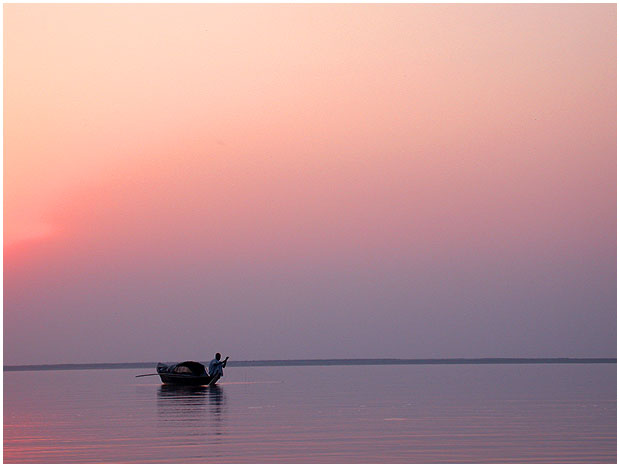


Physical characteristics and behaviour
The Jamuna is notable for its breadth, braided channels and mobile sandy islands called "chars." In dry months the riverbed narrows but remains wide compared with many rivers; during the monsoon it expands dramatically as seasonal runoff increases. These seasonal changes are driven by monsoon rains and melting Himalayan snow upstream in the Brahmaputra catchment. High sediment loads produce constantly shifting channels and cause ongoing bank erosion and accretion, which reshapes local geography and affects settlements and farmland.
Course and connections
After crossing the international boundary the river breaks into multiple channels across a broad alluvial plain. It is regarded as the primary distributary that conveys Brahmaputra waters through central Bangladesh. Near key junctions the Jamuna contributes its flow to the Padma and ultimately joins the Meghna system before their combined outflow reaches the Bay of Bengal. The river and its confluences form a major part of Bangladesh's deltaic network, one of the world's largest and most dynamic deltas.
Human uses and infrastructure
The Jamuna supports navigation, irrigation, fisheries and local water supply. It acts as a transport corridor for cargo and passenger boats, especially where road and rail connections are limited. A major example of human infrastructure on the river is the Bangabandhu or Jamuna Bridge, which provides a permanent cross-river link and has influenced trade and mobility across central Bangladesh. River management works, including embankments and channel training, aim to reduce flood impacts, stabilize banks and protect communities, though such interventions can have complex ecological and social effects.
Ecology and economic importance
Floodplain habitats associated with the Jamuna sustain diverse fish populations and seasonal wetlands important for birds and agriculture. The river's annual flooding deposits fertile silt that supports cropping on adjacent plains, but severe floods can damage crops, infrastructure and settlements. Local economies depend on the river for fishing, sand and gravel extraction, transport and irrigated farming. Conservation and sustainable management of the river and its floodplain are therefore critical for food security and biodiversity.
History, naming and notable facts
Within Bangladesh the term "Jamuna" commonly denotes the western channel of the Brahmaputra system; naming and course have changed over time with shifting channels. The river's large and shifting morphology has affected historical settlement patterns, trade routes and administrative boundaries. For readers seeking more detailed reference material, see entries on the region's river systems and delta dynamics via general resources such as those indicated by the local-language name যমুনা and country-level overviews for Bangladesh.
- Key themes: braided channels, seasonal variability, bank erosion, floodplain fertility.
- Major connections: Brahmaputra River system, Padma, Meghna, and the Bay of Bengal.
- Human considerations: navigation, bridge crossings, flood management and rural livelihoods.
The Jamuna remains a defining feature of central Bangladesh's geography and economy, shaping landscapes and lives through its powerful seasonal rhythms and geological processes. Further study of its changing channels, sediment dynamics and social impacts is important for planning resilient communities in the river basin.
Related articles
Author
AlegsaOnline.com Jamuna River Leandro Alegsa
URL: https://en.alegsaonline.com/art/49338