
Jammu region: geography, people, history and significance
Overview of the Jammu region in northern India: its landscape, climate, peoples, culture, historical background and contemporary importance within the broader Jammu and Kashmir area.
Overview
The Jammu region occupies the southern portion of the wider Jammu and Kashmir area in the northern Indian subcontinent. It is usually considered one of the three broad regions of the erstwhile state — Jammu, the Kashmir Valley, and Ladakh — and today forms the southern part of the Union Territory of Jammu and Kashmir. Jammu serves as a principal city and historically functioned as a winter capital and a centre of Dogra rulership. The region is diverse in terrain, climate and demography, with foothills rising into the Himalayas and river valleys that support agriculture and towns.
Image gallery
10 Images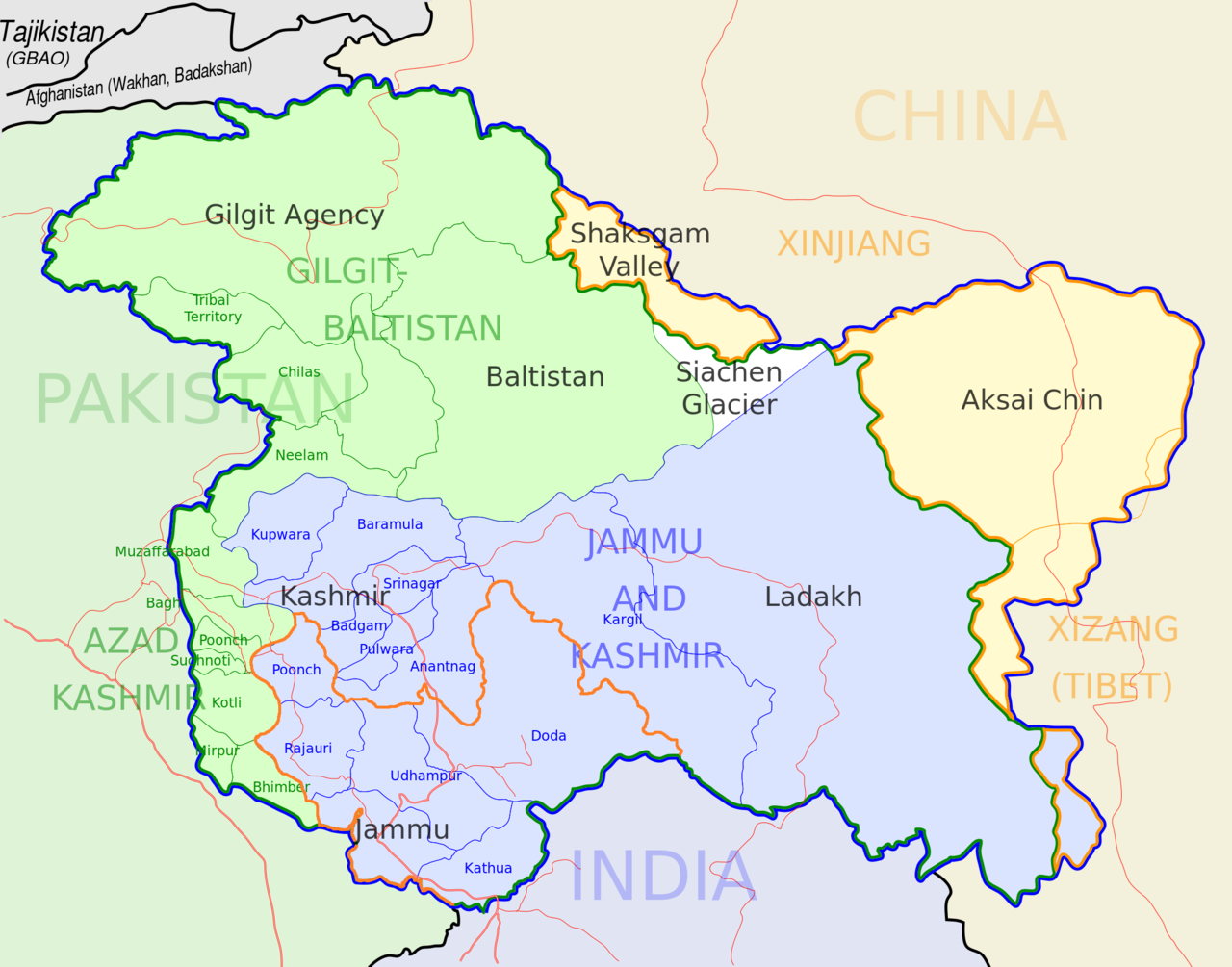


Geography and natural features
Jammu stretches from lower mountain slopes to plains that link to neighbouring states. To the east it borders Ladakh, while to the south it meets Himachal Pradesh. Much of the region lies in the outer Himalayan foothills and the Pir Panjal range, and local uplands include formations such as the Trikuta Hills. The river system is dominated by tributaries of the Chenab: the city of Jammu sits on the banks of the Tawi River, a notable tributary that shapes the local basin and urban landscape. These rivers and hills produce varied microclimates, with cooler highlands and warmer plains used for mixed farming and orchards.
Administrative divisions and landscape features
Administratively, the region is composed of several districts and divisions that combine agricultural plains, hill tracts and urban centres. Mountain passes and valleys historically determined routes of movement and trade toward the valley of Kashmir and further into the trans-Himalayan plateau. The Pir Panjal belt forms a prominent mountain barrier, while lower slopes and plains sustain rice, maize, fruit cultivation and pastoral activities. The Tawi and the wider Chenab basin remain important for irrigation and local livelihoods.
People, languages and culture
Jammu is home to multiple communities and religious groups. The Dogra people are a major cultural group whose language, Dogri, is widely spoken and shares affinities with neighbouring Punjabi dialects; the region has long cultural ties with the broader Punjab region. Hindu communities are prominent across much of southern Jammu, while Muslim-majority pockets grow more common toward north-western districts and border areas. There are also significant Sikh communities in urban and agricultural areas. Local traditions include distinct music, festivals, crafts and cuisine, as well as pilgrimages — the shrine of Vaishno Devi in the Trikuta Hills draws large numbers of devotees annually.
History and political development
The political history of Jammu includes the rise of the Dogra dynasty in the 19th century and later integration into the complex politics of the subcontinent in the 20th century. After independence and the partition of British India, Jammu's position became central to regional disputes and arrangements. Over time administrative changes and events have reshaped governance in the area; the region's historical role as the Dogra seat and its strategic location between the Kashmir Valley, the higher Himalaya and neighbouring Indian states have continued to influence its political and social development.
Economic significance and contemporary issues
Economically, Jammu combines agriculture, horticulture, trade, services and pilgrimage-related activity. Towns serve as commercial and transport hubs linking the valley and trans-Himalayan routes. The region also faces challenges common to mountainous and border areas: infrastructure needs, management of natural resources, and the social effects of migration and demographic change. Its strategic borders make security and connectivity important policy concerns.
Notable distinctions
- Geographic transition zone: Jammu links plains and high mountains, creating ecological diversity.
- Cultural crossroads: Dogri language and customs coexist with Punjabi, Kashmiri and other influences.
- Religious and pilgrimage importance: sites such as Vaishno Devi attract pilgrims from across South Asia.
- Strategic position: adjacency to Ladakh and a border-facing location shape modern policy and infrastructure priorities.
For regional context and further reading on physical geography and neighbouring territories, consult resources on the Himalaya and adjacent political units such as the Himalayas, local mountain ranges, major rivers like the Tawi and broader river systems such as the Chenab. Historical and cultural connections to nearby regions are often described in studies that reference Punjab-area cultural links and the modern administrative links with Himachal Pradesh.
Questions and answers
Q: What is Jammu Region?
A: Jammu Region is one of the three regions comprising Kashmir's southernmost area of Indian-administered Jammu and Kashmir.
Q: What are some geographical features of the region?
A: The Margalla hills range, Pir Panjal Range, Trikuta Hills and Tawi River are all geographical features that make up the terrain of Jammu.
Q: Who makes up most of the population in Jammu?
A: Dogra Hindus make up more than two-thirds of the population in Jammu.
Q: How are Dogra Hindus related to people in other regions?
A: Culturally, ethnically, and linguistically, Dogra Hindus are closely related to Punjabi-speaking peoples in Punjab region of India and Pakistan.
Q: What language do most people speak in this region?
A: Most people living in this region speak the Dogri language.
Q: Are there any other religious groups present here besides Hinduism?
A: Yes, Sikhs also live in this region as well as Muslims who make up a dominant majority around Poonch District.
Q: Where was traditionally the seat of power for maharajas located?
A: Traditionally, the seat of power for maharajas was located in Jammu which is also the winter capital and second largest city within this territory.
Related articles
Author
AlegsaOnline.com Jammu region: geography, people, history and significance Leandro Alegsa
URL: https://en.alegsaonline.com/art/49324
Sources
- census2011.co.in : "Jammu City Population Census 2011 - Jammu and Kashmir"