
Jailhouse Rock (1957 film)
1957 American musical drama starring Elvis Presley. Directed by Richard Thorpe and released by MGM, it follows a jailed young man who becomes a singing star and examines fame, relationships and identity.
Overview
Jailhouse Rock is a 1957 American musical drama film released by Metro-Goldwyn-Mayer. Directed by Richard Thorpe, the picture features Elvis Presley in a leading screen role alongside Judy Tyler and Mickey Shaughnessy. The screenplay was adapted from a story by Nedrick Young. The movie blends prison melodrama and popular music to tell a rise‑and‑fall story about sudden fame and its personal costs.
Image gallery
6 Images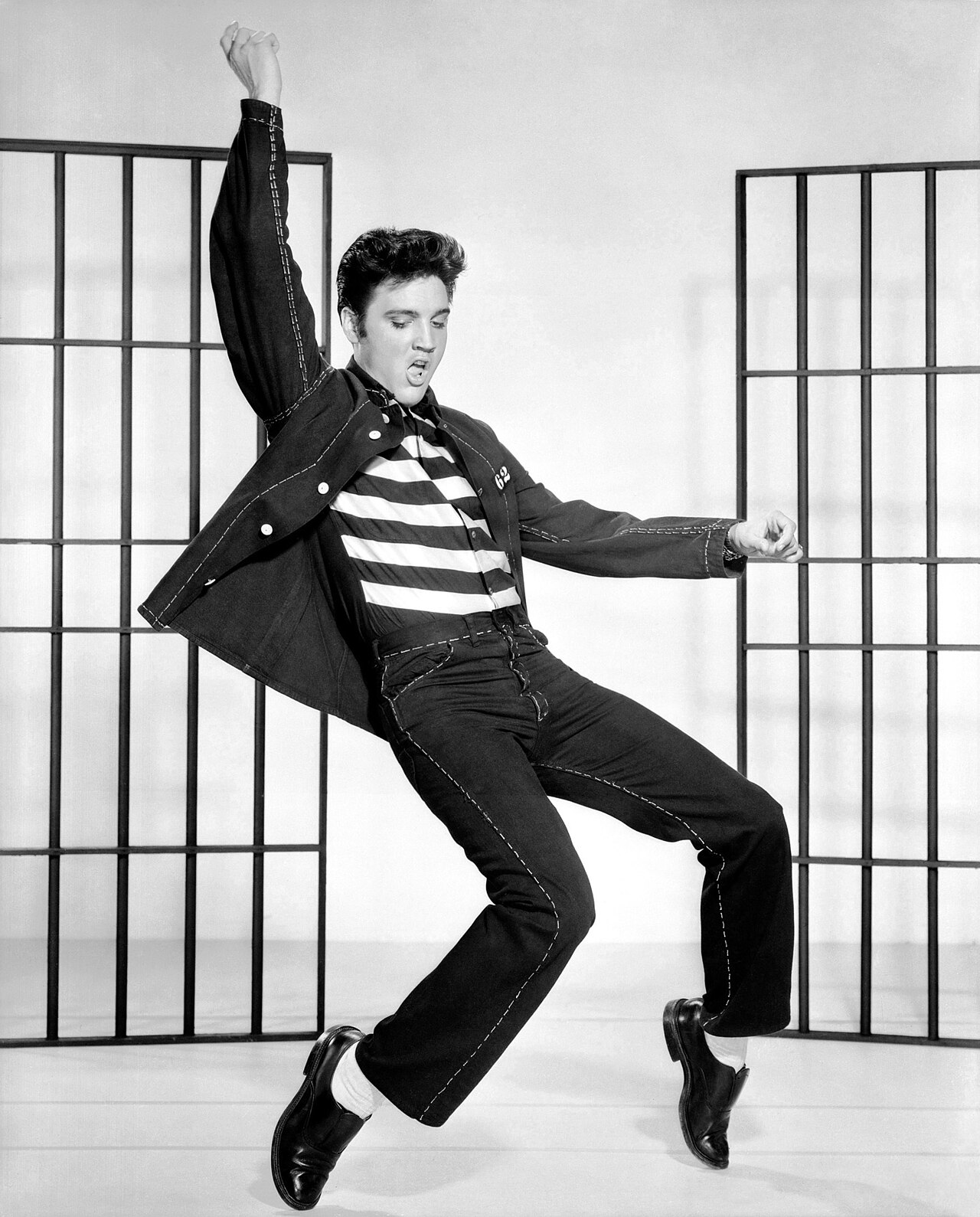


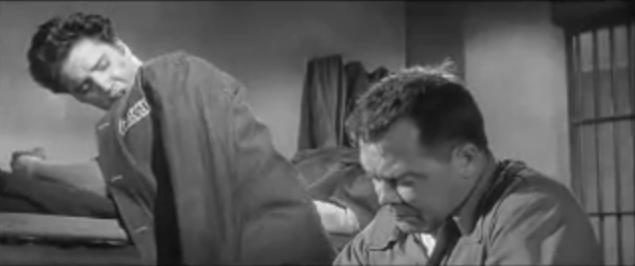

Plot and principal characters
The central figure is a young man who is convicted of manslaughter and serves time in prison. While incarcerated, he discovers his vocal talent and is encouraged by a prison cellmate to pursue music. After his release he takes work as a club performer, attracts the attention of a music promoter and quickly ascends to stardom. As his career advances, the protagonist’s ego and choices strain his close relationships and create moral and professional tensions that drive the drama.
Production, music and performances
Produced by a major Hollywood studio, the film is notable for integrating musical numbers into a narrative about personal transformation. Elvis Presley's on‑screen charisma, singing and dancing were central to the movie’s appeal; the title tune and other performances are staged to showcase his stage presence. Judy Tyler and Mickey Shaughnessy provide supporting roles that help frame the hero’s personal life and the entertainment industry milieu he enters.
Reception and cultural impact
Critics and audiences responded to the film both as a vehicle for Presley’s talents and as a melodrama exploring fame. Over time, many commentators have cited Jailhouse Rock as among Elvis Presley’s more memorable films because of its musical set pieces and its slightly darker take on celebrity than many contemporary musicals. The movie also appeared at a moment when Hollywood was open to younger, more rebellious screen personalities following the death of James Dean in 1955, and Presley’s combination of singing, dancing and screen presence positioned him as a new kind of youth star.
Notable facts and legacy
- The film was distributed by a major studio, MGM, which financed mainstream musicals and dramas of the era.
- It is adapted from a story by Nedrick Young and directed by Richard Thorpe, a prolific studio director.
- Many modern viewers and critics point to the title sequence and the choreography as highlights that helped shape the image of rock 'n' roll on film.
- The movie remains an often‑referenced example of 1950s youth culture intersecting with classic studio filmmaking.
Further information
For additional context and archival material, consult studio records, cast biographies and film histories. The following links provide entry points to more detailed resources and credits:
- Production and distribution details
- Cast list and biographies
- Elvis Presley: career overview
- Metro‑Goldwyn‑Mayer studio background
- Nedrick Young: story source
- Legal and plot elements
- Portrayals of prison in film
- Manslaughter as dramatic motive
- Post‑prison career arcs in cinema
- Nightclub and club performance scenes
- Singer as protagonist in 1950s film
- Music industry figures in fiction
- Character studies of self‑centered stars
- Personality and fame in popular cinema
- Relationship dynamics in musical dramas
- James Dean and mid‑1950s Hollywood
- Shifts in studio casting after 1955
- Young, rebellious archetypes on screen
- Elvis Presley and the post‑Dean generation
Questions and answers
Q: Who directed Jailhouse Rock?
A: Jailhouse Rock was directed by Richard Thorpe.
Q: Who stars in Jailhouse Rock?
A: Elvis Presley, Judy Tyler, and Mickey Shaughnessy star in Jailhouse Rock.
Q: Who distributed Jailhouse Rock?
A: Jailhouse Rock was distributed by Metro-Goldwyn-Mayer (MGM).
Q: What is Jailhouse Rock about?
A: Jailhouse Rock is about a young man sentenced to prison for manslaughter, who is mentored in music by his prison cellmate and becomes a club singer after his release.
Q: What affects the young man's relationships as he becomes a star?
A: As he becomes a star, the young man's self-centered personality begins to affect his relationships.
Q: Why was Elvis Presley considered a replacement for James Dean?
A: When James Dean died in 1955, Hollywood began looking for a new actor to replace him. Elvis Presley was considered a replacement for Dean because he could sing and dance, was good-looking, and was a decent actor.
Q: Is Jailhouse Rock considered one of Elvis Presley's best movies?
A: Yes, Jailhouse Rock is considered one of Elvis Presley's best movies.
Related articles
Author
AlegsaOnline.com Jailhouse Rock (1957 film) Leandro Alegsa
URL: https://en.alegsaonline.com/art/49108
Sources
- rottentomatoes.com : "Jailhouse Rock (1957)"
- threemoviebuffs.com : "Movie Review, Jailhouse Rock"