
Metro-Goldwyn-Mayer (MGM): American film and television studio
Metro-Goldwyn-Mayer (MGM) is a historic American film and television studio, famed for its roaring lion logo and large motion-picture library; it has undergone several restructurings and remains active in production and licensing.
Metro-Goldwyn-Mayer, widely known by its initials MGM, is an American film and television production, distribution and licensing media company. Founded in the early era of Hollywood, MGM became one of the major studios of the classical period and today is best known for a large catalogue of feature films and television programs and for the iconic roaring lion that appears in its opening ident.
Image gallery
10 Images



Origins and development
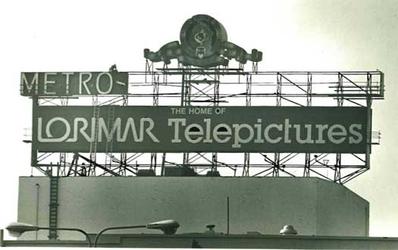
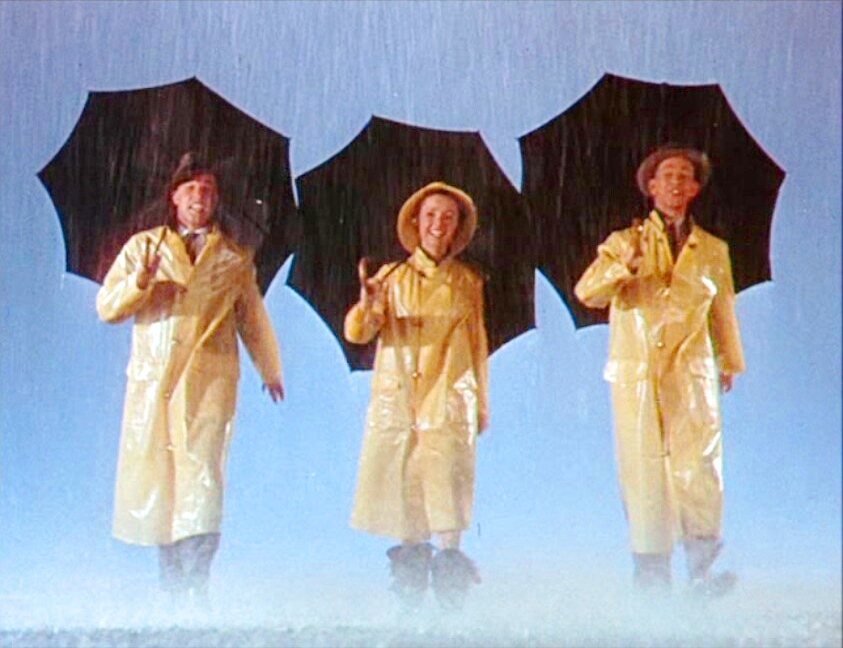
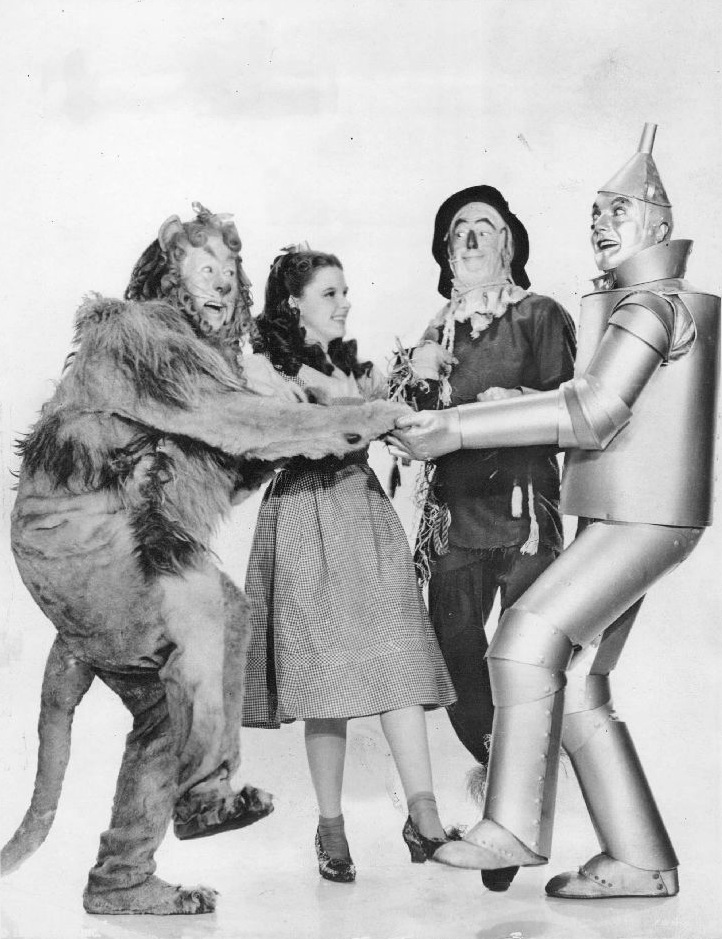
The company originated in the 1920s through a consolidation of earlier motion-picture firms and producers. Over decades MGM built a reputation for lavish studio-produced features, star-driven pictures and musical productions. Its facilities, talent contracts and production departments reflected the vertically integrated studio model that dominated much of 20th-century American cinema.
Studio identity and library
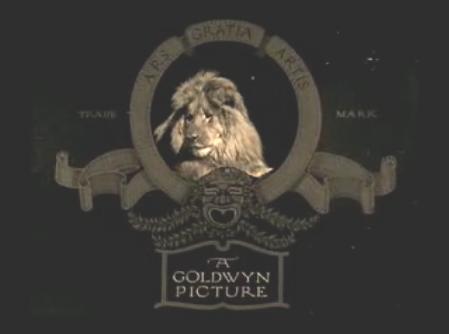
MGM's visual emblem — a lion that roars at the beginning of its films — is among the most recognizable symbols in motion pictures. The studio amassed a substantial film library spanning classic dramas, comedies, musicals and later television programming. That catalogue has been a central asset for theatrical re-releases, television syndication and modern streaming and ancillary licensing.
Main activities and examples
- Feature film production and international distribution.
- Television series production and format licensing.
- Management and monetization of a large back-catalogue of motion pictures and TV shows.
- Brand licensing, remakes and adaptations drawn from older properties.
Business history and ownership changes
Throughout its history MGM has experienced several rounds of corporate restructuring and ownership changes. In the 2000s the company was involved in complex financing and ownership transactions; for example, on April 8 2005 it featured in deals that included firms such as Sony, Comcast, Texas Instruments and Warner Bros.. Financial pressures culminated in a Chapter 11 reorganization in 2010, after which leadership from the founders of Spyglass Entertainment helped steer the company through its restructuring.
Legacy and present-day role
Today MGM continues as a recognizable production label and rights-holder whose catalogue is valuable for theatrical, home entertainment and streaming uses. Its history illustrates the evolution of the American studio system, the commercial value of film libraries, and the ways legacy content is repurposed for contemporary audiences. The roaring lion remains an enduring emblem of classic cinema and of the company's long-standing place in film and television history.
Questions and answers
Q: What is MGM?
A: MGM is an American media company that mainly produces movies and television programs.
Q: When was the company bought by a group led by Sony and Comcast?
A: The company was bought by a group led by Sony and Comcast on April 8, 2005.
Q: Who became co-chairs and co-CEOs of the company after it emerged from bankruptcy?
A: After it emerged from bankruptcy, Spyglass Entertainment founders Gary Barber and Roger Birnbaum became co-chairs and co-CEOs of the company.
Q: What other companies were involved in buying MGM?
A: Texas Instruments and Warner Bros. were also involved in buying MGM.
Q: When did MGM emerge from bankruptcy?
A: MGM emerged from bankruptcy on December 20, 2010.
Q: What type of media does MGM produce?
A: MGM mainly produces movies and television programs.
Q: Who founded Spyglass Entertainment?
A: Spyglass Entertainment was founded by Gary Barber and Roger Birnbaum.
Related articles
Author
AlegsaOnline.com Metro-Goldwyn-Mayer (MGM): American film and television studio Leandro Alegsa
URL: https://en.alegsaonline.com/art/64236