
James Dean: American Actor and Cultural Icon
James Dean (1931–1955) was an American film actor known for three landmark movies—East of Eden, Rebel Without a Cause, and Giant—and for his lasting influence on youth culture and screen acting.
Overview
James Byron Dean (February 8, 1931 – September 30, 1955) was an American film actor whose brief but powerful career made him a symbol of teenage angst and restless individuality. In a span of only a few years he completed three major studio films that established his public image and critical reputation. His performances continue to be discussed for their intensity and naturalism.
Image gallery
10 Images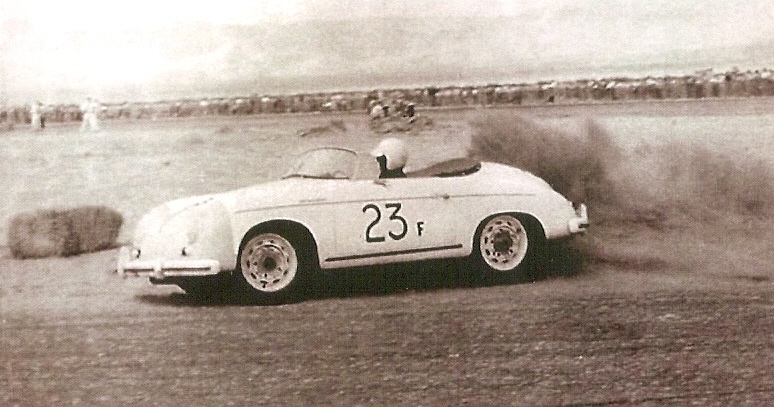


Early life and training
Born in Marion, Indiana, Dean grew up in the Midwest and later moved to California. He studied drama in university and refined his technique under influential teachers at the Actors Studio in New York, where he absorbed elements of method acting. Those training experiences shaped his approach to character work and helped him stand out among young performers of the 1950s. For a concise account of his professional career, see contemporary film histories and biographies.
Major films and roles
Dean's on-screen legacy rests primarily on three feature films released during and shortly after his lifetime. His first major screen role was in Elia Kazan's adaptation of John Steinbeck's East of Eden, which brought him critical attention. He followed that with his emblematic portrayal of a troubled teenager in Rebel Without a Cause, a film that became synonymous with adolescent rebellion. After his death, the epic drama Giant, in which he shared the screen with established stars, completed his filmography and expanded his range.
- East of Eden — breakthrough lead role.
- Rebel Without a Cause — cultural touchstone about youth.
- Giant — large-scale drama released after his death.
Legacy and influence
Although Dean's career lasted only a few years, his blend of vulnerability and defiance influenced later generations of actors and filmmakers. He helped popularize a brooding, introspective screen persona that resonated with postwar youth. The image of Dean in a jacket and white T-shirt became emblematic of 1950s cool and has been referenced widely in music, fashion, and cinema. Scholars of film and popular culture regard him as one of the first modern screen icons whose appeal endures beyond his film credits.
Notable facts
Dean died in a car crash in 1955 at the age of 24, an event that cemented his tragic public image. He was posthumously nominated for an Academy Award for his work in East of Eden, a distinction that underscored the esteem in which his performances were held. For summaries of his filmography and critical reception, consult film reference works and archival materials such as retrospectives and restored releases represented in online catalogs like film databases and specialist sites about Rebel Without a Cause.
Dean's life and work continue to be the subject of biographies, documentaries, and academic study, reflecting his lasting role in the story of American cinema and popular culture.
Questions and answers
Q: Who was James Dean?
A: James Dean was an American movie actor.
Q: What was James Dean best known for?
A: James Dean was best known for his part in a movie called Rebel Without a Cause.
Q: Which other movies did James Dean act in?
A: James Dean acted in two other movies, East of Eden and Giant, both of which were huge successes.
Q: Did James Dean win an Academy Award (Oscar)?
A: James Dean did not win an Academy Award (Oscar), but he did receive a nomination after his death.
Q: When did James Dean die?
A: James Dean passed away on September 30, 1955.
Q: What was significant about James Dean's Academy Award nomination?
A: James Dean was the first person to receive an Academy Award nomination posthumously (after they died).
Q: What was James Dean's full name?
A: James Dean's full name was James Byron Dean.
Related articles
Author
AlegsaOnline.com James Dean: American Actor and Cultural Icon Leandro Alegsa
URL: https://en.alegsaonline.com/art/121282
Sources
- tft.ucla.edu : tft.ucla.edu