
Jaffa Gate — principal western entrance to Jerusalem's Old City
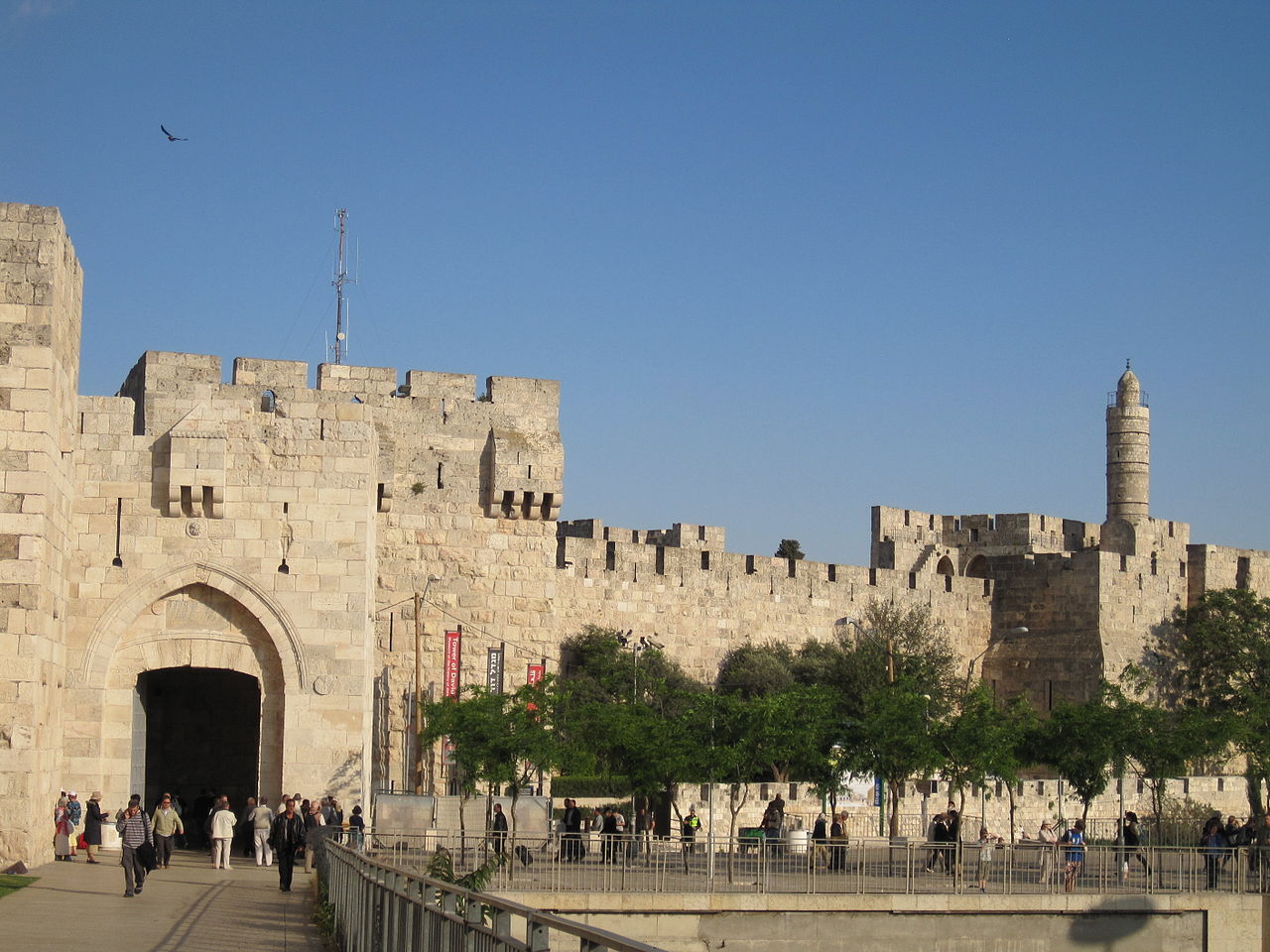
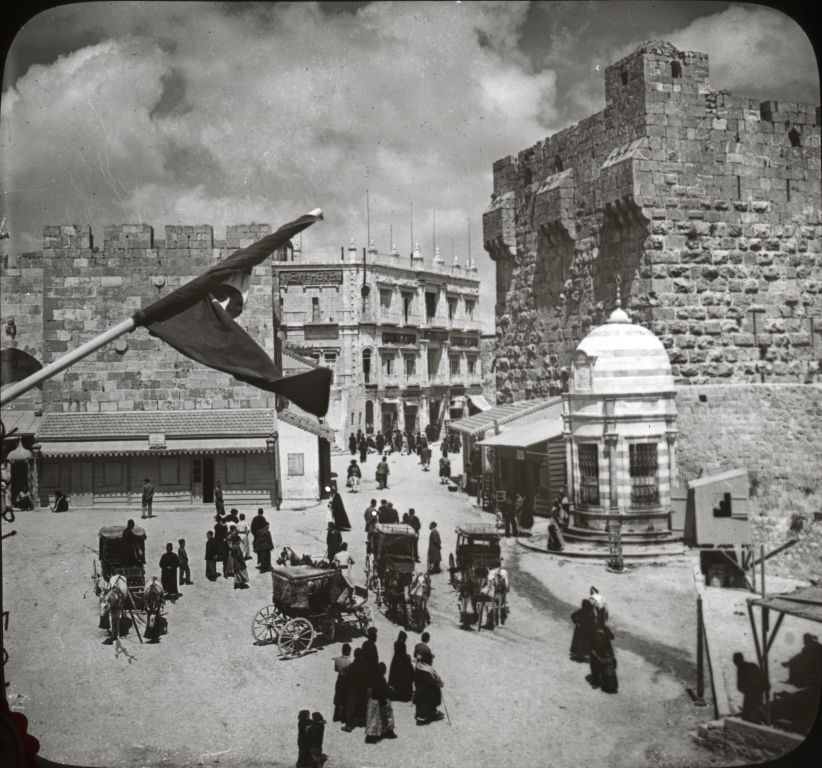
Jaffa Gate is a major stone archway in the walls of Jerusalem's Old City. It opens toward the modern city and the road to Jaffa, sits beside the Tower of David, and serves as a key historic and tourist gateway.
Overview
Jaffa Gate is one of the principal entrances to the Old City of Jerusalem, facing west toward the modern city and the historic road that leads to the Mediterranean port of Jaffa. The gate is known by several names in different languages: in Hebrew as Sha'ar Yafo and in Arabic as Bab el-Khalil. Its approximate geographic location is given by the coordinates 31.776528°N 35.227694°E. The preserved stone arch and adjoining plaza are focal points for visitors entering the Old City from Jaffa Road.
Image gallery
10 Images




Architecture and location
The gate is built into the 16th-century city walls that were largely rebuilt under Ottoman rule and is formed as a prominent stone archway; descriptions and images often refer to it simply as a stone archway. From the gate a main thoroughfare runs toward the Temple Mount and the Western Wall, two of Jerusalem's most visited religious sites (Temple Mount, Western Wall). Adjacent to the gate stands the Tower of David, part of the ancient citadel complex and today housing the History of Jerusalem Museum (Tower of David).
History and development
The name "Jaffa Gate" reflects the gate's traditional role as the western exit of the Old City and the beginning of the road toward Jaffa on the Mediterranean coast. The present visible walls and gate date from the Ottoman reconstruction of the 16th century, built to replace earlier fortifications. Archaeological and historical layers beneath and around the gate record Roman, Byzantine and medieval activity; Roman-era features and markers, including columns and milestones, have been found elsewhere among Jerusalem's gates and streets (Roman-era, pillar, Damascus Gate).
Uses, access and significance
Jaffa Gate functions as both a practical entrance and a symbolic threshold. It provides access to multiple Old City quarters and serves as the main arrival point for many tourists and pilgrims. Historically, plazas and prominent columns near major gates were used as reference points for measuring routes and distances to other places; various starting points have been used over time to mark distances to cities within and beyond the region (starting point, Palestine). Today the area outside Jaffa Gate is a busy interchange between the modern city and the ancient urban core.
Notable facts and distinctions
- The gate carries several traditional names, including an Arabic name sometimes rendered as the "Gate of the Friend" or variants associated with David and local shrine names.
- The historic plaza in front of the gate acts as a gathering area and often features cultural events and visitor services (plaza).
- Its proximity to the Tower of David citadel gives the site both military and museum significance; the citadel's complex is an important landmark for understanding Jerusalem's layered past (Tower of David, citadel).
For many, Jaffa Gate is both an entry point and a condensed introduction to Jerusalem's history: a threshold where modern streets meet ancient stones, and where names and memories in several languages reflect the city's long and contested past.
Related articles
Author
AlegsaOnline.com Jaffa Gate — principal western entrance to Jerusalem's Old City Leandro Alegsa
URL: https://en.alegsaonline.com/art/49076