
Araliaceae: the ivy family — diversity, features, and uses
Araliaceae is a family of mainly woody flowering plants including ivies, ginsengs and scheffleras, known for compound leaves and clusters of small flowers; widely used ornamentally and medicinally.
Overview
The Araliaceae, commonly called the ivy or Aralia family, are a group of flowering plants found across tropical, subtropical and temperate regions. The family contains roughly fifty genera and on the order of a thousand to fifteen hundred species, and includes trees, shrubs, lianas and perennial herbs. Its members are notable for compound foliage and inflorescences made up of many small flowers borne in umbels or large panicles. For a general classification reference see family overview.
Image gallery
8 Images




Characteristics and morphology
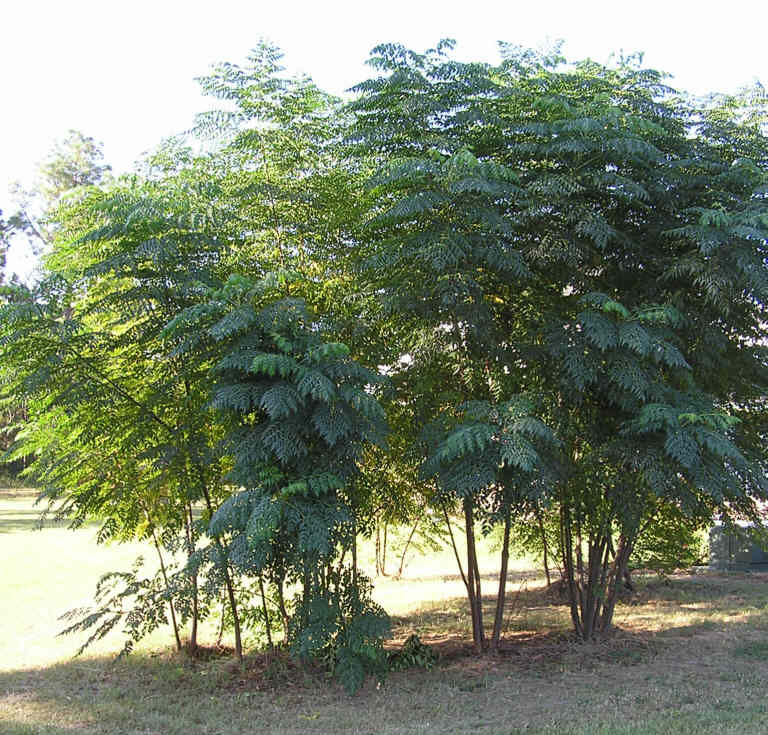
Plants in Araliaceae typically have alternate leaves that are pinnately or palmately compound, although entire leaves occur in some genera. Flowers are usually small, actinomorphic and grouped in dense clusters such as umbels, heads or panicles; fruit are most often fleshy berries or drupes that attract birds. Many members are woody and scandent (climbing) while others remain herbaceous. Botanical descriptions and identification keys are summarized in several plant databases; consult botanical description and a morphology guide for illustrations and technical terms.
Taxonomy and evolutionary history
The circumscription of Araliaceae has changed with molecular phylogenetic work: some genera formerly placed elsewhere have been added, and relationships within the family have been rearranged. Traditional treatments recognize a few major lineages or subfamilies, but authors differ on exact limits. Ongoing DNA studies continue to refine the internal classification and evolutionary history; useful syntheses are available at taxonomic resources and recent reviews such as phylogenetic summaries.
Uses, ecology and cultural significance
Several Araliaceae species are economically and culturally important. Panax (ginseng) species are valued in traditional medicine; Hedera (ivy) and Schefflera are widely planted as ornamental climbers or houseplants. Fruits provide food for birds and mammals, and many species are components of forest understories in their native ranges. Practical cultivation advice and conservation status can be found through horticultural and conservation outlets: uses and care.
Notable genera and distinctions
- Hedera — the true ivies, vigorous climbers common in temperate gardens (Hedera information).
- Panax — ginsengs, prized medicinal plants and examples of economic importance.
- Schefflera and Fatsia — popular ornamentals with showy foliage.
- Aralia — includes herbaceous and woody species with large umbels.
Araliaceae can resemble members of the carrot family (Apiaceae) because of their compound leaves and umbellate flower clusters, but they are usually woody and differ in fruit and stem anatomy. For further reading and genus-level lists see genera list and resources.
Tags
Related articles
Author
AlegsaOnline.com Araliaceae: the ivy family — diversity, features, and uses Leandro Alegsa
URL: https://en.alegsaonline.com/art/5170