
Artemisia (genus of flowering plants)
Artemisia is a diverse genus of aromatic herbs and shrubs in the daisy family Asteraceae, widely distributed across temperate regions of the Northern Hemisphere and notable for medicinal, culinary and ecological roles.
Artemisia is a large and varied genus of flowering plants in the family Asteraceae. Species in the genus are mostly aromatic herbs or shrubs and occur primarily across temperate areas of the Northern Hemisphere. Estimates of the number of species vary; botanists commonly cite several hundred distinct taxa. For a general introduction see Artemisia overview.
Image gallery
10 Images




Characteristics and taxonomy
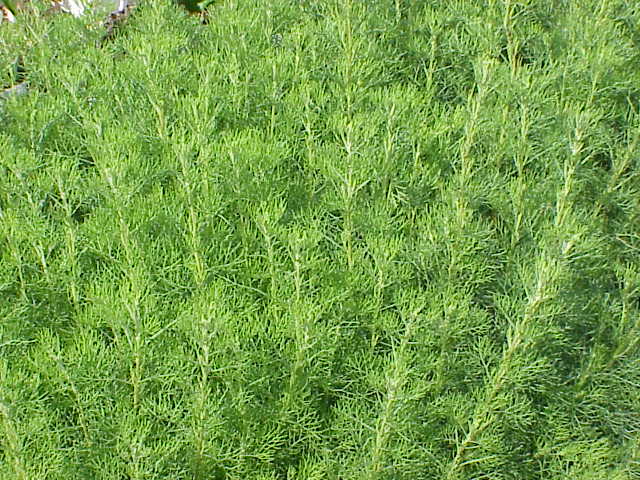
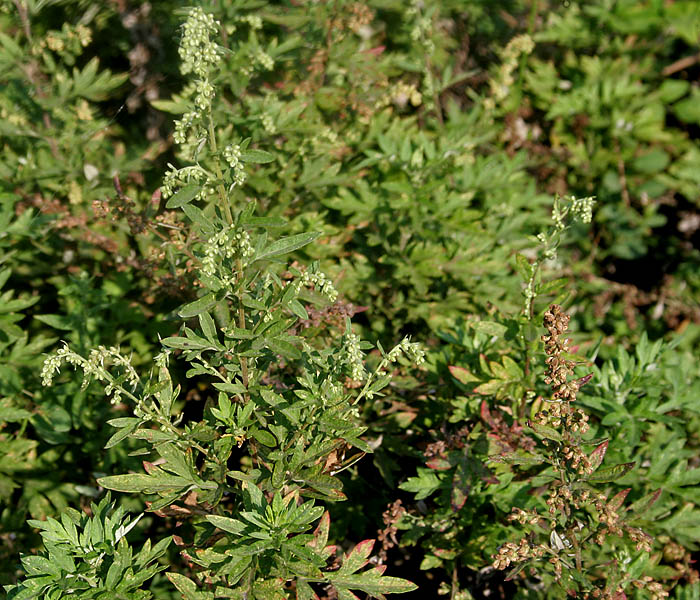
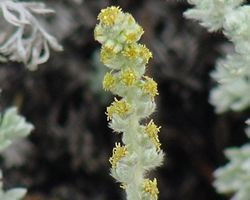
Plants placed in Artemisia share several recognizable traits: often grey-green or silver foliage, finely divided leaves, and strong fragrances produced by volatile oils. Habit ranges from low herbaceous perennials to erect shrubs. Flower heads tend to be small and inconspicuous compared with showy asters. Taxonomic boundaries are complex because many species hybridize and display wide regional variation; modern treatments and floras provide differing species counts and classifications — consult a current botanical treatment such as recent keys and checklists for details.
Distribution and ecology
Most Artemisia species grow in temperate or arid zones of Eurasia and North America. Some, like the sagebrush of western North America, form extensive shrublands that are ecologically important for wildlife and soil stabilization. Others colonize disturbed sites or specialized habitats. Their aromatic compounds can deter herbivores and influence plant–insect interactions; for further ecological context see regional flora resources.
History, uses and significance
People have used Artemisia species for centuries. Several are important in traditional medicine and modern therapeutics: notably Artemisia annua (sweet wormwood), the source of artemisinin derivatives used to treat malaria. Artemisia absinthium (wormwood) is known for bitter flavoring in aperitifs and its association with absinthe; Artemisia vulgaris (mugwort) has folk uses in cuisine and rituals. Many species supply essential oils used in perfumery, insect repellents and herbal preparations. Reliable summaries of uses can be found at ethnobotanical references, but medicinal use should be guided by current medical advice.
Examples and notable species
- Artemisia vulgaris — mugwort
- Artemisia absinthium — wormwood
- Artemisia annua — sweet wormwood (artemisinin source)
- Artemisia tridentata — big sagebrush, dominant in western North American shrubsteppe
- For additional species lists and identification aids see species guides.
Because the genus is taxonomically large and ecologically diverse, Artemisia remains a subject of active botanical study. Its combination of economic, cultural and ecological importance makes it relevant to fields from conservation biology to pharmacology.
Tags
Related articles
Author
AlegsaOnline.com Artemisia (genus of flowering plants) Leandro Alegsa
URL: https://en.alegsaonline.com/art/6246
Sources
- compositae.landcareresearch.co.nz : "Artemisia vulgaris"