
Intel Core i5: Mid-range processors for desktops and laptops
Overview of Intel Core i5 processors: design goals, key features such as Turbo Boost and integrated graphics, historical development from Lynnfield and Arrandale, and typical use cases.
Overview
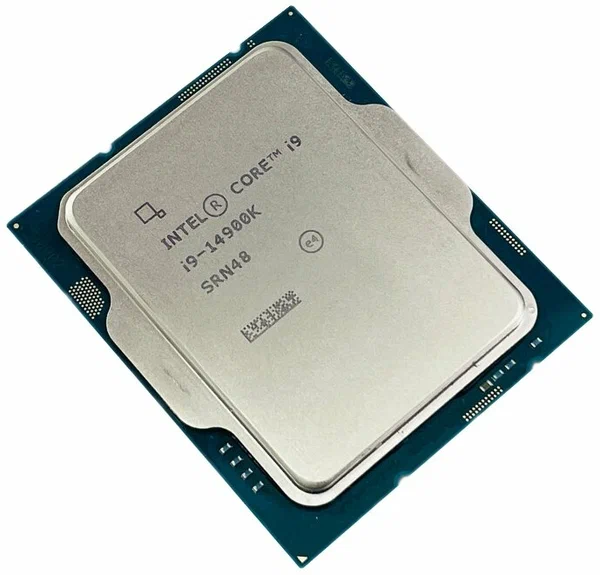
The Intel Core i5 brand identifies a family of mid-range central processing units marketed by Intel for mainstream desktop and laptop computers. Positioned between the entry-level Core i3 line and the higher-end Core i7 (and later i9) series, Core i5 models aim to deliver a balance of everyday responsiveness, multi-tasking capability and value for a wide range of users, from office productivity and media playback to mid-level gaming and content creation.
Image gallery
10 Images




Origins and architectural development
Core i5 debuted as part of Intel's broader Core product strategy. Early Core i5 chips were closely related to contemporaneous Core i7 designs but tuned for a different market segment. For example, some first-generation i5 parts used the Lynnfield core and featured an 8 MB L3 cache with a Direct Media Interface (DMI) interconnect. Later mobile and desktop families were based on successive Intel microarchitectures and process shrinks, such as the 32 nm Westmere lineage represented by the Arrandale mobile variants and their desktop counterpart, Clarkdale.
Common features and technical characteristics
Many Core i5 processors include technologies that adjust operating frequency and resource use to match workload demands. Turbo Boost is often present to increase clock speeds for demanding tasks, improving apparent performance when thermal and power headroom allow. Core i5 parts frequently have multiple physical cores—commonly dual- or quad-core designs in earlier generations and higher counts in later generations—and varying cache sizes. Unlike some Core i7 models, many i5 SKUs historically shipped with Hyper-Threading disabled, relying on native cores rather than logical threads.
Mobile versus desktop variants
Intel has offered i5 processors for both laptops and desktops with distinct priorities. Mobile Arrandale chips, based on Westmere, integrated basic graphics and power-saving features aimed at battery life, while desktop versions such as Clarkdale brought the first generation of on-package integrated graphics to mainstream desktops. Mobile i5s sometimes reduced core counts to save power—many early mobile SKUs had only two physical processor cores—but later generations restored higher core counts alongside more capable on-die graphics and power management.
Typical uses and market role
Core i5 processors are commonly found in consumer laptops and desktops where users want more sustained performance than entry-level chips provide without the premium cost of high-end models. They suit office suites, web browsing with many tabs, photo editing, light video work, and most games at moderate settings. Variants with unlocked multipliers (often indicated by a designator such as "K") appeal to enthusiasts who overclock, while low-power suffixes target thin-and-light notebooks.
Distinctions and notable points
Over time, the Core i5 line has evolved significantly: manufacturing process, integrated graphics capability, core counts, and feature sets have all advanced across generations. Some i5 processors include integrated video controllers on the same package or die, while others pair with discrete graphics for higher performance. When choosing an i5 CPU, consider generation, core/thread counts, base and turbo clock behavior, TDP, cache size and whether features like Hyper-Threading or an unlocked multiplier are present. For more detailed specifications and generation comparisons consult manufacturer documentation or product guides from reputable sources such as Intel's product materials.
- See manufacturer pages for model lists and detailed specs: Intel.
- Historical context and comparisons: Core i7 comparisons, Turbo Boost explanations.
- Microarchitecture notes and platform overviews: Westmere, integrated graphics.
For deeper technical comparisons and current generation details, consult official datasheets and third-party reviews that benchmark real-world workloads.
Related articles
Author
AlegsaOnline.com Intel Core i5: Mid-range processors for desktops and laptops Leandro Alegsa
URL: https://en.alegsaonline.com/art/47543
Sources
- commons.wikimedia.org : Intel Core i5
- anandtech.com : Intel's Core i7 870 & i5 750, Lynnfield: Harder, Better, Faster Stronger
- tomshardware.com : "Intel's Mobile Core i5 And Core i3: Arrandale Is For The Rest Of Us"
- xbitlabs.com : "Intel Clarkdale: 3.46GHz Clock-Speed, 32nm Process Tech, Launch in Q1 2010"