
Intel Core (original mobile processors and brand evolution)
Overview of the original Intel Core mobile processors (Solo/Duo), their architecture, history, and legacy, and how the Core brand developed into later Intel CPU families.
Overview
Intel Core began as a line of mobile processors introduced by Intel in 2006. The initial Core products were aimed at laptops and portable systems and marked a shift from Intel's earlier single-core mobile chips toward compact dual-core designs. These early Core parts are often identified by their model names SolO (single-core) and Duo (dual-core) and are widely credited with improving laptop performance and energy efficiency for that generation.
Image gallery
9 Images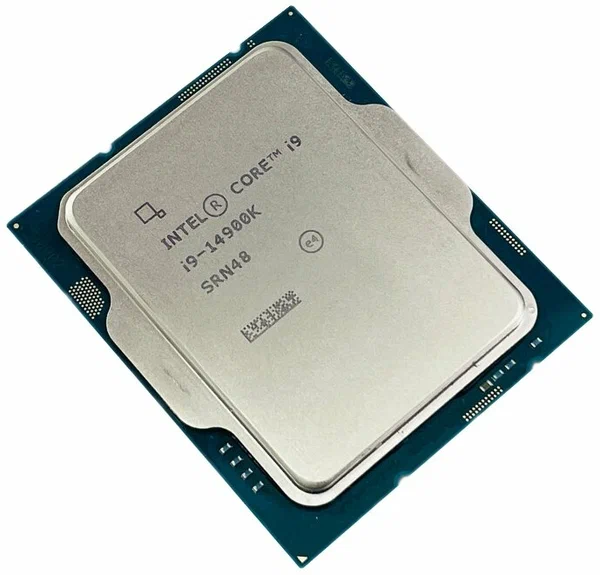




Architecture and models
The architecture behind the first Core processors evolved from Intel's Pentium M technology, itself a descendant of the P6 design family but reworked for lower power use. The two primary variants were:
- Core Duo — a true dual-core mobile CPU that ran two threads on separate cores.
- Core Solo — effectively a Duo die with one core disabled, sold as a single-core option and often used as a successor to the Pentium M single-core line.
Notably, the earliest Core processors were 32-bit only and did not include Intel's 64-bit extension (Intel 64 / EM64T), a limitation that differentiated them from some contemporaneous desktop offerings.
History and development
Introduced amid growing demand for multitasking and mobile performance, the Intel Core family represented a design focus on thermal efficiency and real-world application speed rather than raw clock rates. The platform was a transitional step: it improved on Pentium M ideas while laying groundwork for more significant architectural changes. Within a couple of years Intel replaced the original Core microarchitecture with the more advanced Core 2 family, which added 64-bit support, larger caches, and greater performance per watt.
Uses and significance
Intel's initial Core processors were widely used in notebooks and some compact desktop systems. Their dual-core design made multitasking smoother and helped mobile computers handle modern applications more effectively. Because they emphasized low power consumption, they contributed to longer battery life and cooler-running laptops compared with some previous designs.
Distinctions and legacy
Key points that distinguish the early Intel Core chips include their lineage from Pentium M, the Solo/Duo product segmentation, and the temporary absence of 64-bit support. Those chips were soon succeeded by CPU lines with broader capabilities, yet the Core brand itself persisted and became an umbrella for many later Intel microarchitectures. For historical context and technical comparisons, consult manufacturer materials and processor guides at resources such as official Intel documentation and third-party processor archives (further reading).
While the original Core family is now obsolete in consumer markets, it remains an important step in the evolution of Intel's mobile CPU strategy and the development of multicore processors for portable computing.
Questions and answers
Q: What is Intel Core?
A: Intel Core is the name of a family of 32-bit dual-core microprocessors made by the technology company Intel.
Q: What technology are Intel Core processors based on?
A: Intel Core processors are based on Pentium M technology.
Q: Is Intel Core architecture still in use?
A: No, Intel Core architecture is now replaced by Core 2 microarchitecture.
Q: What are the two groups in the Core family of processors?
A: The two groups in the Core family of processors are the Duo (with two cores) and Solo (Duo with one disabled core).
Q: What was the Pentium M one-core processor replaced by in the Intel Core family?
A: The Pentium M one-core processor was replaced by the Solo line in the Intel Core family.
Q: Are Intel Core CPUs still selling as much?
A: No, Intel Core CPUs stopped selling as much in September of 2006 and January of 2008, as Intel released CPUs with newer technology.
Q: How are Intel Core processors more advanced than Intel P6 processors?
A: Intel Core processors are more advanced than Intel P6 processors due to the technology used in their architecture.
Related articles
Author
AlegsaOnline.com Intel Core (original mobile processors and brand evolution) Leandro Alegsa
URL: https://en.alegsaonline.com/art/47546
Sources
- tgdaily.com : "Intel to discontinue older Centrino CPUs in Q1 08"