
Intel Core i7 — high-performance consumer processors
Overview of the Intel Core i7 family: its purpose, key technologies (cores, Hyper-Threading, Turbo Boost), generation history, model variants, common uses, and how it differs from Xeon and other Core lines.
Overview
The Intel Core i7 brand identifies a line of high-performance x86 microprocessors that Intel markets for desktops, laptops and some high-end tablets. Introduced as part of Intel's Core family, Core i7 chips are typically positioned above Core i5 and Core i3 in the consumer product stack and below certain server-class processors. They have been produced across many generations and microarchitectures, and are intended for users who need greater multi‑threaded and single‑threaded performance—such as content creators, gamers and professional users.
Image gallery
10 Images




Key characteristics and technologies
Core i7 processors are distinguished by a combination of design features rather than a single fixed specification. Common characteristics found across many i7 models include multiple CPU cores, large on‑die caches, support for Intel Hyper‑Threading (simultaneous multithreading) on many chips, and Intel Turbo Boost technology for dynamic frequency scaling. Many mobile and desktop i7 chips also include integrated graphics, varying levels of power management, and support for modern instruction sets.
- Cores and threads: models range from quad‑core designs up to many‑core variants in later generations, often with Hyper‑Threading to expose additional logical threads.
- Turbo Boost: raises clock speed of active cores when thermal and power budgets allow.
- Cache: larger L3 caches compared with lower-tier consumer parts help performance in data‑intensive tasks.
- Integrated graphics: many i7s include Intel UHD or Iris graphics for displays and basic GPU tasks.
Generations and development
Since the Core brand began in the mid‑2000s, Core i7 chips have evolved through multiple microarchitectures—often named by their internal codenames (for example, Nehalem, Sandy Bridge, Skylake, Coffee Lake, Alder Lake and later designs). Each generation typically brings improvements in instructions per cycle (IPC), power efficiency, core counts, and platform features such as faster memory support, PCIe lanes, and enhanced integrated graphics. Intel periodically revises product segmentation, introducing i7 variants tuned for low power mobile use, high‑performance desktop use, and workstation‑style laptops.
Variants, model suffixes and packaging
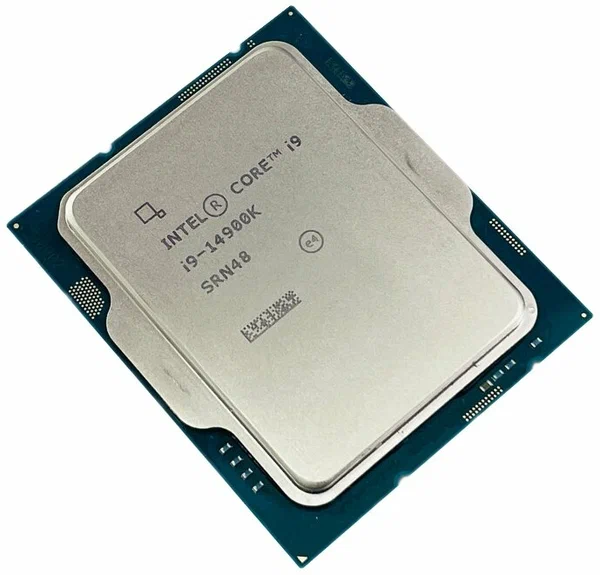
Intel uses suffix letters and model numbers to indicate a chip's intended market or capabilities. Common suffixes include "K" (unlocked multiplier for overclocking), "T" (low power), "U" (ultra low power for thin laptops), and "H" (high performance mobile). Desktop and mobile i7 processors may differ in TDP (thermal design power), core counts and clocking, even when they share a similar model number family. Both single‑chip socketed desktop parts and system‑on‑chip mobile designs appear under the i7 name.
Uses, examples and comparisons
Core i7 CPUs are widely used in consumer desktops, gaming rigs, creator workstations and premium laptops. Compared with Core i5 and i3, i7 models generally offer higher base and boost clocks, more cache and, in many cases, Hyper‑Threading. For users who require more cores or enterprise features, Intel markets Xeon processors intended for servers and professional workstations; Xeon parts add capabilities such as multi‑socket support and, historically, broader use of ECC memory.
- Consumer desktops: gaming, media production, and multitasking.
- Mobile: content creation laptops, performance ultrabooks and workstations.
- Edge cases: some laptop designs and small form‑factor PCs use i7 where a balance of performance, power and integrated graphics is needed.
Distinctions from Xeon and other Core models
Although some Core i7 and Xeon chips share microarchitectures, they target different markets. Xeon processors commonly support multi‑CPU motherboards, enterprise reliability features and error‑correcting code (ECC) memory options; Core i7 traditionally does not guarantee those features on every platform. That said, platform and chipset choices can blur boundaries—for example, certain recent consumer platform combinations can support ECC modules when paired with specific professional chipsets and motherboards. For general consumers, the Core i7 label signals a balance of high single‑thread and multi‑thread performance without some of the server‑grade features of Xeon.
For more information about Intel's product lines and processor specifications, see Intel's product pages: Intel. To compare server‑class processors, consult documentation for Xeon families. For platform and motherboard capabilities such as multicore support and ECC, check chipset and motherboard vendor resources: chipset documentation.
Related articles
Author
AlegsaOnline.com Intel Core i7 — high-performance consumer processors Leandro Alegsa
URL: https://en.alegsaonline.com/art/47544