
Intel Core i9 processors
High-performance desktop and mobile CPUs in Intel's Core family, designed for gaming, content creation, and workstation tasks. Variants differ by core counts, cache, power and features across generations.
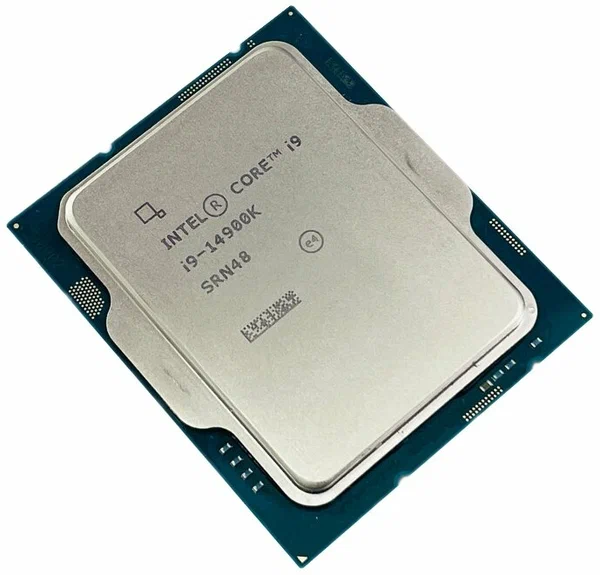
The Intel Core i9 name identifies Intel's top-tier consumer and prosumer central processing units (CPUs) within the broader Intel Core family. Core i9 chips appear in both desktop systems and laptop systems, and are aimed at users who need higher multi-threaded performance than typical Core i5 or Core i7 models.
Image gallery
9 Images





Typical characteristics
Core i9 processors are distinguished by several hardware and firmware features intended to boost throughput and responsiveness for demanding workloads. Common attributes include:
- Higher core and thread counts than lower-tier Core models, enabling stronger parallel processing.
- Large on-die caches measured in multiple megabytes to reduce memory access latency.
- Support for simultaneous multithreading (Intel Hyper-Threading) on many models, allowing two threads per core in most designs.
- Dynamic frequency scaling and turbo modes to raise clock rates for short bursts of heavy work.
- Variants that are unlocked for overclocking (branded with a "K" or similar suffix) and high-TDP designs for sustained performance.
Architecture and generational change
Intel has applied the Core i9 label across several microarchitectures and platform families. Early i9 parts were built on high-end desktop platforms, while later generations brought mainstream i9 SKUs to common consumer motherboards. Recent Intel generations introduced hybrid core layouts that mix performance and efficiency cores, new memory standards and chipset features — so characteristics vary notably by generation.
Uses and significance
Core i9 CPUs are often chosen for high-end gaming rigs, video editing and 3D rendering workstations, scientific computing on the desktop, and professional mobile workstations. Their strength is sustained multi-threaded throughput and faster single-threaded peaks when required, which benefits rendering, encoding, simulation and large compilation tasks.
Variants and distinctions
Within the i9 family there are multiple suffixes and sublines indicating power and target market: desktop vs. high-end desktop (HEDT), mobile H-series for performance laptops, and unlocked desktop parts for enthusiasts. Compared with Core i7 and Core i5, Core i9 typically offers more cores, larger caches, higher power envelopes and extra features that justify a premium price.
When evaluating an i9 processor, consider generation, supported memory type, motherboard socket/chipset compatibility, thermal design power, and whether you need an unlocked part for overclocking. These factors determine real-world performance and platform cost as much as the i9 badge itself.
Related articles
Author
AlegsaOnline.com Intel Core i9 processors Leandro Alegsa
URL: https://en.alegsaonline.com/art/47545
Sources
- intel.com : "X-Series Processors"