
Interchangeable parts: standardization, history, and industrial impact
Interchangeable parts are uniform components made to tight tolerances so they can be mass-produced, assembled, repaired, and replaced easily. This article explains principles, history, uses, and distinctions.
Overview
Interchangeable parts are components manufactured to consistent dimensions and tolerances so that any one part will fit and function in place of any other identical part within a product. This basic concept underpins modern mass production and the idea of replaceable, modular components. By producing many copies of the same part rather than hand-fitting each piece, manufacturers reduce assembly time, lower unit costs, and simplify repairs.
Image gallery
5 Images


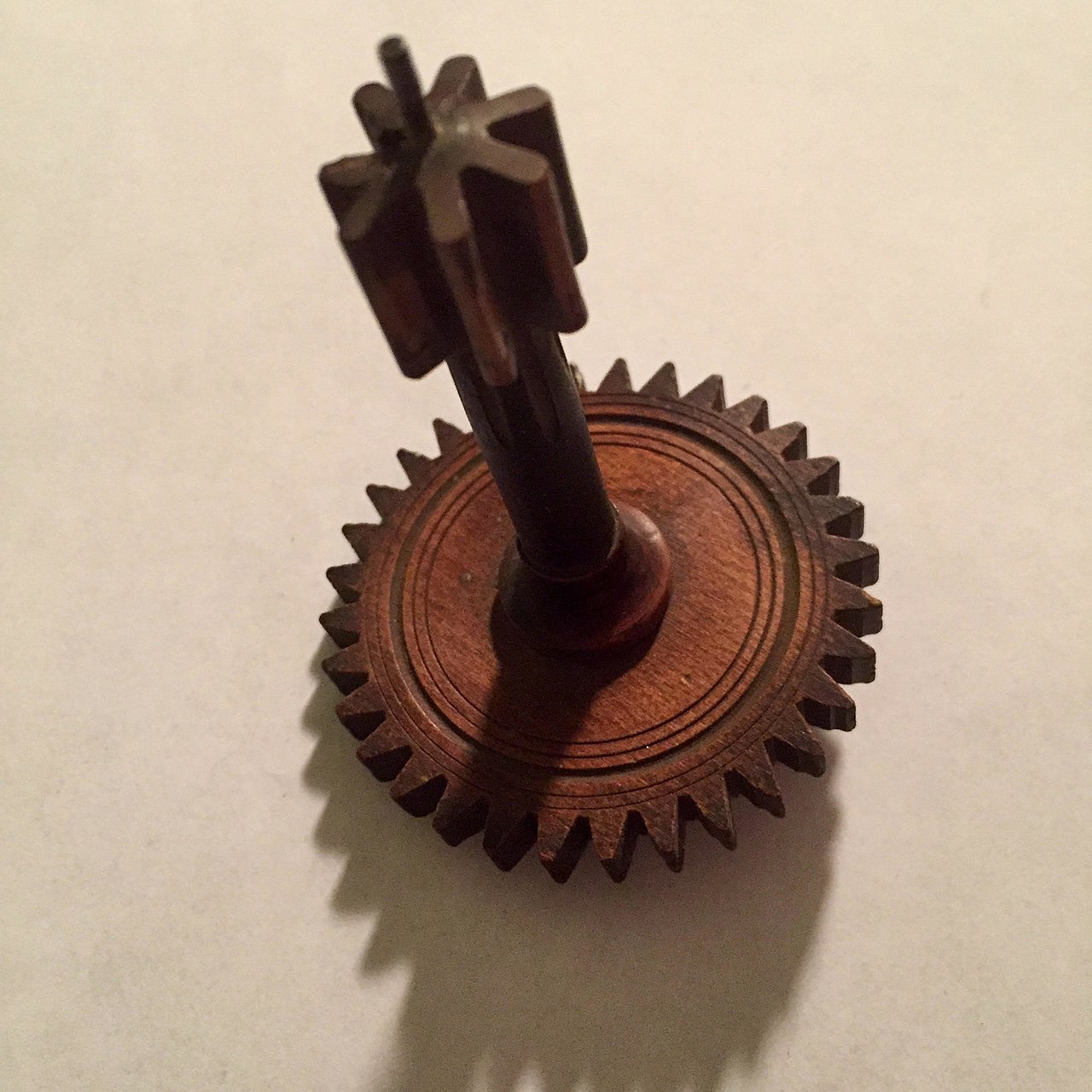

Key characteristics
True interchangeability depends on controlled processes and measurement. Characteristics include precise dimensions, defined tolerances for allowable variation, and standardized interfaces (machined seats, mounting holes, threads, etc.). Achieving interchangeability requires precision tooling, jigs and fixtures, inspection gauges, and quality control systems. Many industries rely on these principles: automotive and electronics manufacturers use tightly specified connectors and fasteners; furniture makers adopt standardized fittings; and appliance builders use repeatable components for serviceability.
History and development
The idea of making identical parts emerged during the Industrial Revolution as artisans and early factories sought faster, cheaper production. In the United States and Europe, firearms production and government armories played a significant role in demonstrating the value of standardized parts. Inventors and manufacturers refined machine tools, measurement methods and assembly techniques so parts could be produced in large numbers without bespoke hand-fitting. Figures such as Eli Whitney are often associated with early popularization, and broader movements in manufacturing came to be labeled the "American System" of production.
Applications and advantages
Interchangeable parts enabled the growth of many modern industries and consumer markets. Practical benefits include:
- Faster assembly lines and reduced labor per unit, a result of parts that fit without custom work (requiring fewer workers for some tasks).
- Lower cost per item through economies of scale and simplified training for assemblers.
- Easier maintenance and repair: broken elements can be swapped with identical replacements rather than recreated by hand.
- Supply-chain advantages, because standardized parts from different vendors can be substituted when compatible.
Examples of products built from interchangeable parts range from automobiles and computers to consumer furniture and household appliances. The practice depends on machine tools and production methods that permit parts to be made with consistent precision and mass produced.
Distinctions and notable points
Interchangeability is related to, but distinct from, modular design. Interchangeable parts emphasize identicality of a component so it can be used across multiple assemblies; modular design focuses on functional blocks that can be rearranged. Standardization may be international (dimensions, thread standards) or industry-specific. While interchangeable parts improved efficiency, they also required investment in tooling, measurement standards and skilled engineers to design the parts and the machines that made them.
Today, interchangeability remains a cornerstone of manufacturing, enabling repairability, aftermarket parts, and the global sourcing of components. Ongoing advances in precision machining, CNC tools, and quality assurance continue to refine what manufacturers can make repeatably and economically.
More on the concept • Mass production links • Computing examples • Furniture examples • Machine-tool role • Labor and efficiency • Historical figures • Manufacturing context
Questions and answers
Q: What is the concept of interchangeable parts?
A: The concept of interchangeable parts is creating identical or nearly identical parts to be mass-produced so that they can be put together to form a product.
Q: What are some examples of products that are made from interchangeable parts?
A: Some examples of products that are made from interchangeable parts include cars, computers, furniture, and almost all products used today.
Q: Why are interchangeable parts made with precision machines?
A: Interchangeable parts are made with precision machines so that each part can fit in any product that uses this part.
Q: How does the use of interchangeable parts affect the number of workers needed to assemble products?
A: Since it is no longer necessary to make each part one at a time and by hand, assembling products takes fewer workers.
Q: What is the benefit of using interchangeable parts in terms of the cost of the product?
A: The benefit of using interchangeable parts in terms of the cost of the product is that it lowers the cost.
Q: How do interchangeable parts allow products to be repaired?
A: Interchangeability of parts allows products to be repaired by replacing a broken part with an identical new part.
Q: Who was the first to use interchangeable parts in manufacturing?
A: Eli Whitney was the first to use interchangeable parts in manufacturing.
Related articles
Author
AlegsaOnline.com Interchangeable parts: standardization, history, and industrial impact Leandro Alegsa
URL: https://en.alegsaonline.com/art/47571
Sources
- study.com : "Eli Whitney and Interchangeable Parts: Definition & History"
- history.com : "Interchangeable Parts"
- biography.com : "Eli Whitney Biography"
- allaboutlean.com : "230 Years of Interchangeable Parts – A Brief History"
- eliwhitney.org : "The Factory"
- robohub.org : "The evolution of assembly lines: A brief history"
- pbs.org : "Eli Whitney; Industrialization"
- willamette.edu : "Mass Production"
- history1900s.about.com : "Henry Ford and the Assembly Line"
- pbs.org : "Ford installs first moving assembly line 1913"
- modelt.org : "Original Model T Ford Prices by Model and Year"