
Sulfur hexafluoride (SF6): properties, uses, and environmental concerns
Sulfur hexafluoride (SF6) is a colourless, inert gas used as an electrical insulator and tracer. It is chemically stable but a very potent, long‑lived greenhouse gas, prompting alternatives and regulations.
Overview
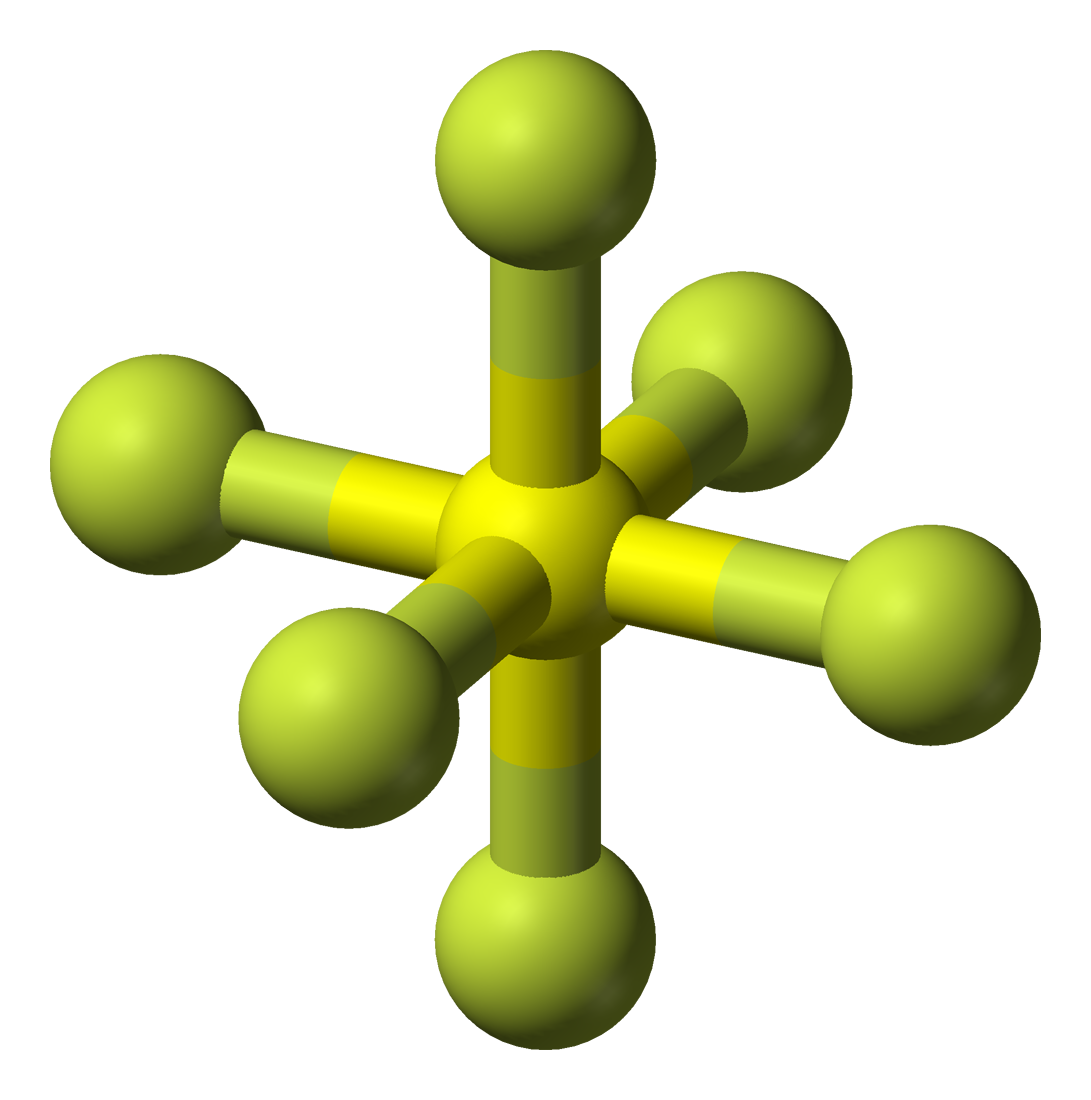
Sulfur hexafluoride is a simple inorganic molecule with the chemical formula SF6. As a neutral gas it is composed of one sulfur atom surrounded by six fluorine atoms in an octahedral arrangement. The sulfur atom is formally in the +6 oxidation state. SF6 is colourless, odourless and non‑flammable under normal conditions and is valued for its chemical inertness and electrical insulating properties; it is commonly described as a chemical compound of industrial importance.
Image gallery
7 Images




Physical and chemical characteristics
The molecule is highly symmetric and electrically stable. Its key characteristics include very low chemical reactivity, a high dielectric strength relative to air, and a density greater than air. SF6 behaves as a stable gas at ambient temperature and pressure and does not dissociate easily. For a technical discussion of its molecular geometry and spectra see molecular structure resources.
Common applications
SF6 is widely used where a compact, reliable insulating medium is required. Typical uses include gas‑insulated switchgear and circuit breakers, high‑voltage transformers and other parts of the electrical distribution network. Its electrical industry role in preventing arcing and short circuits is well documented; see materials on electrical insulation and switchgear.
- Power industry: gas‑insulated systems and breakers
- Electronics and semiconductor manufacturing: etching and plasma processes
- Research and diagnostics: tracer gas for leak detection and flow studies
- Medical uses: specialized applications such as intraocular tamponade or contrast agents in certain imaging techniques (controlled clinical use)
Environmental impact and regulation
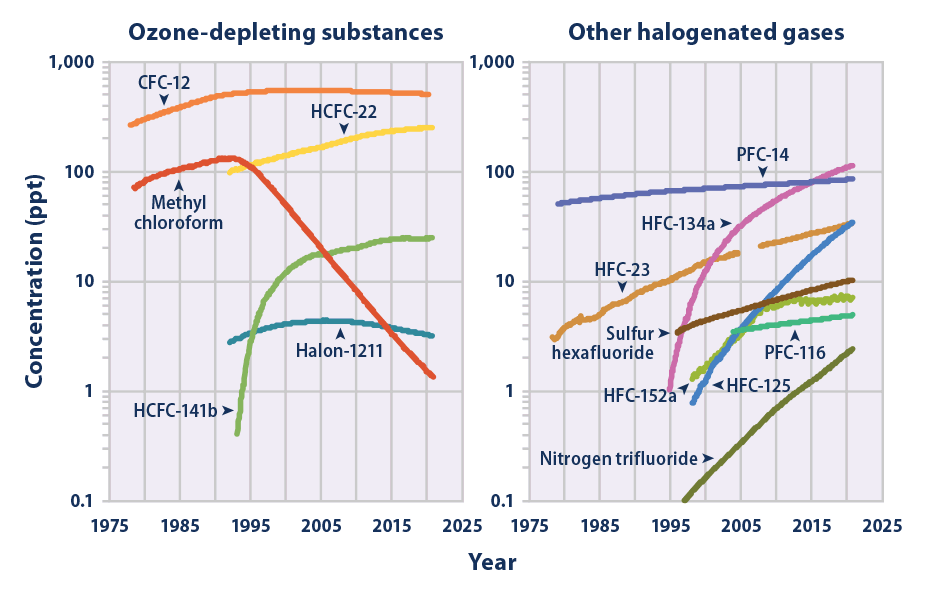
Although chemically stable and useful, SF6 is a potent greenhouse gas when released to the atmosphere. It persists for a very long time, and small releases can have a disproportionately large climate effect compared with the same mass of carbon dioxide. Concerns about its climate impact have led to tighter controls, improved handling practices, recovery and recycling technologies, and research into low‑GWP (global warming potential) alternatives and mixtures.
History, alternatives and notable facts
SF6 was first investigated in the 20th century and found practical use in electrical engineering where compactness and reliability were priorities. Over recent decades the balance between performance and environmental responsibility has driven development of alternatives such as vacuum switching, other insulating gases and fluorinated gas blends. Governments and industry bodies publish guidance and limits to reduce emissions and encourage recovery and replacement.
For further general reading and technical standards see background material on SF6 as an industrial gas and its environmental assessments (greenhouse gas potency) and detailed technical guidance on safe handling (fluorine chemistry references, insulation practice, chemical overviews, elemental properties, oxidation state, molecular structure).
Questions and answers
Q: What is sulfur hexafluoride?
A: Sulfur hexafluoride is a chemical compound with the chemical formula SF6. It contains sulfur in its +6 oxidation state and fluoride ions.
Q: What is the main use of sulfur hexafluoride in the electrical industry?
A: Sulfur hexafluoride is widely used in the electrical industry to prevent short circuits and accidents.
Q: What impact does sulfur hexafluoride have on the environment?
A: Sulfur hexafluoride is the most powerful greenhouse gas known to humanity, and emissions of it have risen rapidly in recent years.
Q: What were the emissions of sulfur hexafluoride like in the UK and the rest of the EU in 2017?
A: Leaks of sulfur hexafluoride in the UK and the rest of the EU in 2017 were the equivalent of putting an extra 1.3 million cars on the road.
Q: Why is sulfur hexafluoride emissions concerning?
A: Sulfur hexafluoride is a potent greenhouse gas that contributes to climate change, and its emissions have been rising rapidly in recent years.
Q: What is the oxidation state of sulfur in sulfur hexafluoride?
A: The oxidation state of sulfur in sulfur hexafluoride is +6.
Q: What ions does sulfur hexafluoride contain?
A: Sulfur hexafluoride contains fluoride ions.
Related articles
Author
AlegsaOnline.com Sulfur hexafluoride (SF6): properties, uses, and environmental concerns Leandro Alegsa
URL: https://en.alegsaonline.com/art/94711
Sources
- bbc.co.uk : bbc.co.uk/news/science-environment-49567197
- depts.washington.edu : "Air Sampling at the Chest and Ear as Representative of the Breathing Zone"
- worldcat.org : 0002-8894
- ipcc.ch : Intergovernmental Panel on Climate Change, Working Group 1, Climate Change 2007, Chapter 2.10.2
- esrl.noaa.gov : "Mauna Loa and Global SF6"
- sciencemag.org : "Atmospheric Lifetimes of Long-Lived Halogenated Species"
- grida.no : "Climate Change 2001: Working Group I: The Scientific Basis"
- euractiv.com : F-gas and SF6 restrictions