
Electric motor
Device that converts electrical energy into mechanical motion; explains parts, common types, history, key applications, and differences from generators.
Overview
An electric motor is a machine that transforms electrical energy into useful mechanical movement. Most motors operate by creating forces between magnetic fields and current-carrying conductors to produce torque and rotation. A related device, the dynamo or electric generator, performs the reverse conversion: mechanical energy to electrical energy.
Image gallery
10 Images


Construction and operation
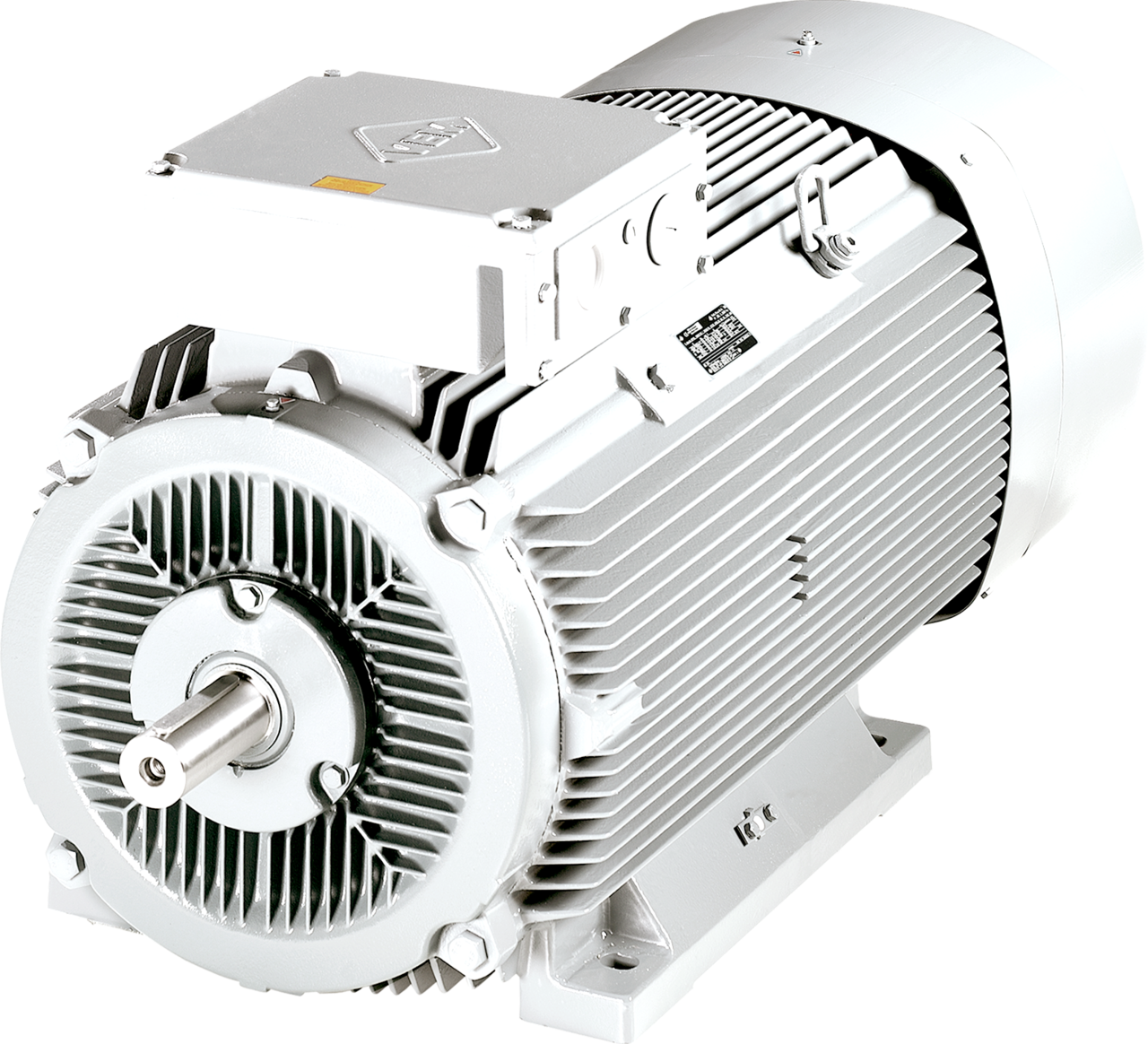
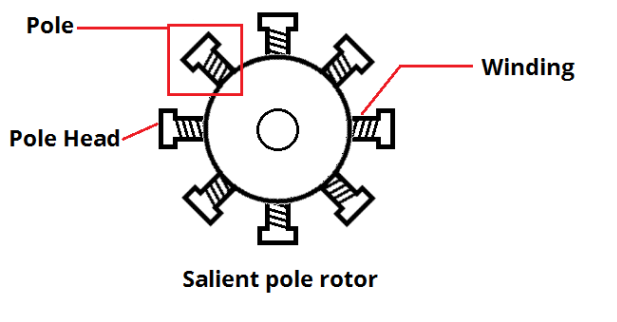
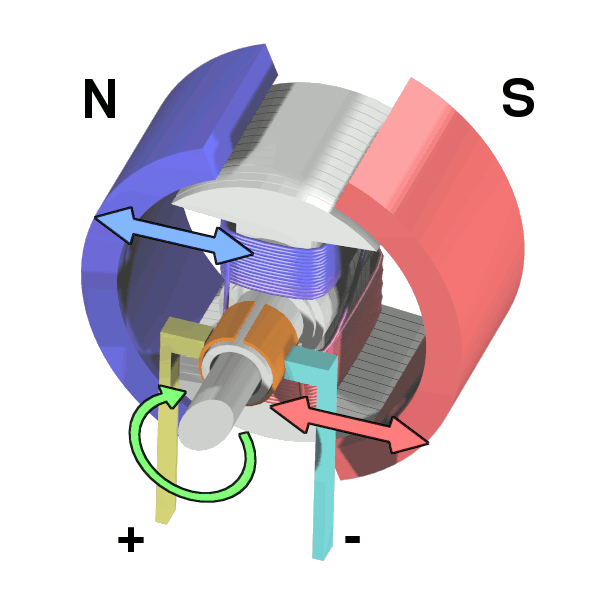
Typical motors have two main parts: a stationary portion (the stator) that provides a magnetic field and a rotating portion (the rotor) that carries current or magnets. Key components may include windings, magnetic cores, bearings, a shaft, and in some designs a commutator and brushes to switch current. The basic operating principle is electromagnetic interaction: when current flows through conductors in a magnetic field, a force is generated that produces motion.
Common types
- Direct current (DC) motors — often include brushed and brushless variants.
- Alternating current (AC) motors — including synchronous and induction (asynchronous) designs.
- Specialized motors — stepper motors and servomotors used for precise positioning.
History and development
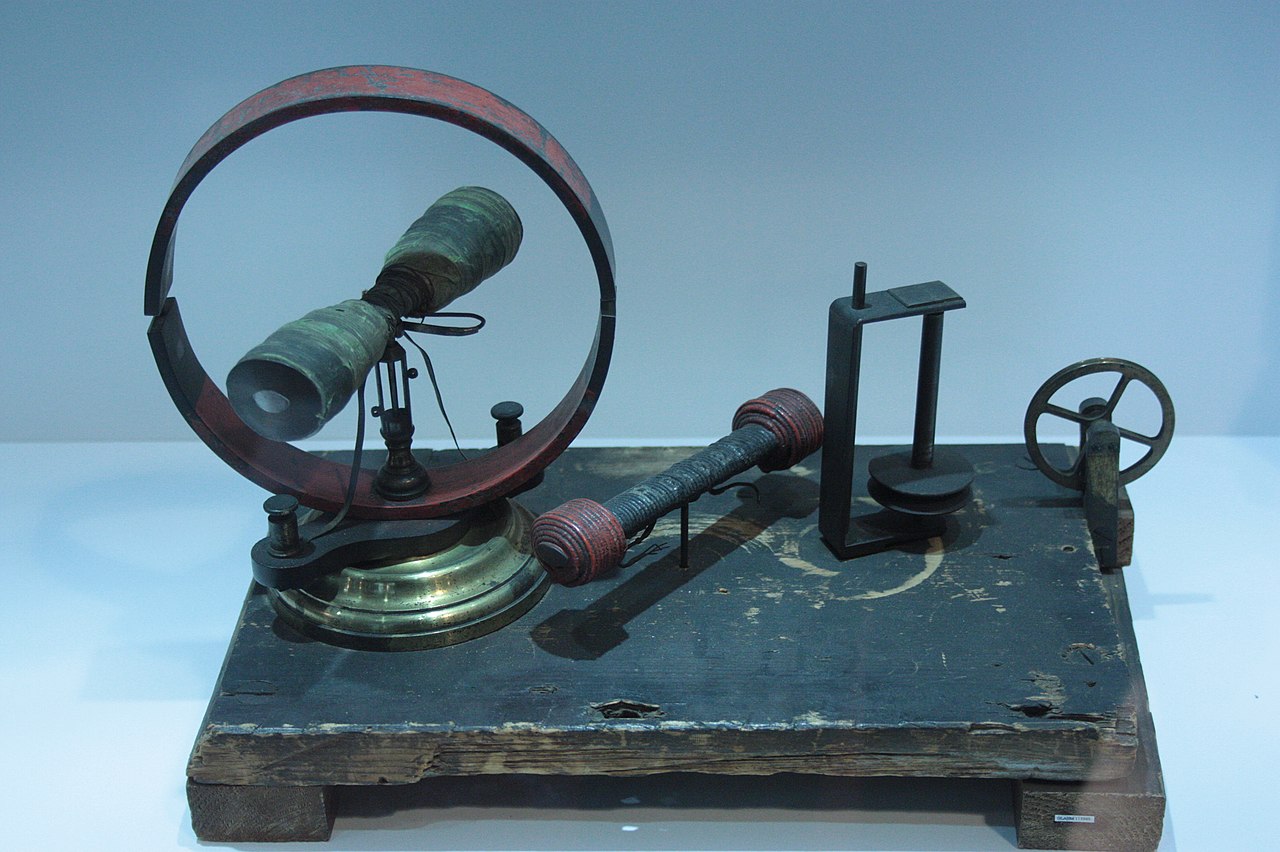
Early experiments with electromagnetic rotation in the 19th century established the principles behind electric motors. Over decades, advances in materials, insulation, magnetic steels and power electronics made motors more efficient, compact and reliable. The adoption of alternating‑current systems and later electronic drives expanded the range of practical applications.
Uses and importance
Electric motors are ubiquitous in modern life. They power household appliances such as fans, washing machines and refrigerators, and they drive pumps pumps and vacuum cleaners. In industry they run conveyors, compressors and machine tools; in transport they propel electric vehicles, trains and many hybrid systems. Their efficiency, controllability and compact power density make them central to electrified technologies.
Distinctions and notable facts
While motors and generators are closely related and many machines can operate as both, their design priorities differ: motors favor torque and controllability, generators prioritize stable voltage and power output. Electrostatic motors exist but are uncommon; magnetic designs dominate due to stronger forces and practical construction. Modern trends emphasize high-efficiency materials and electronic controls to improve performance and reduce energy use.
Related articles
Author
AlegsaOnline.com Electric motor Leandro Alegsa
URL: https://en.alegsaonline.com/art/30679
Sources
- electronics.howstuffworks.com : "How Electric Motors Work"
- commons.wikimedia.org : Electric motors