
Indre-et-Loire
Indre-et-Loire, in Centre-Val de Loire, is a French department named for the Indre and Loire rivers. Prefecture Tours; known for Loire Valley châteaux, Touraine landscape, vineyards and cultural heritage.
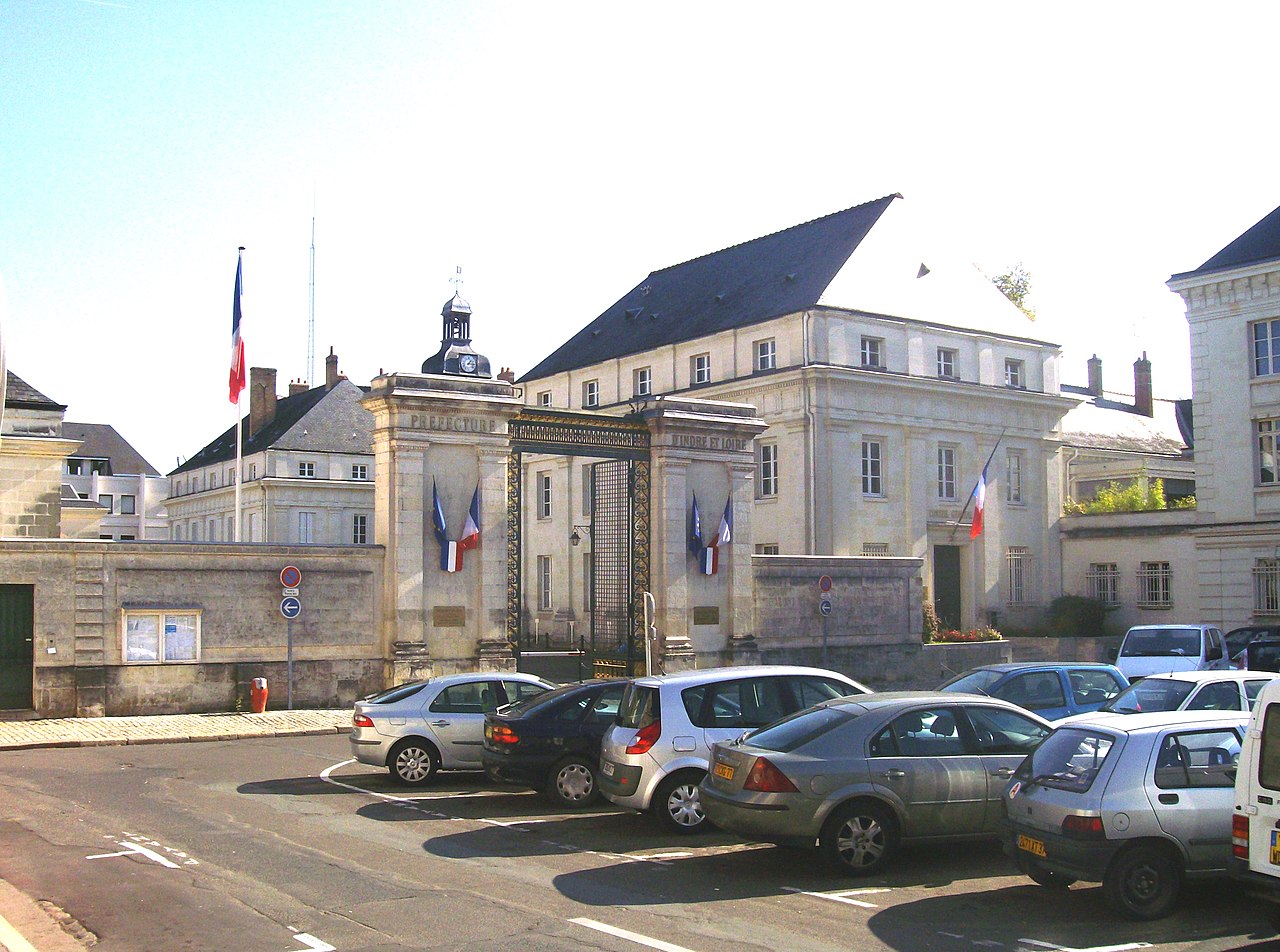
Indre-et-Loire is a department of France in the Centre-Val de Loire region, often associated with the historic province of Touraine. It takes its name from the two main rivers that cross it: the Indre and the Loire, whose valleys shape much of the landscape, agriculture and settlement. Its prefecture is the city of Tours, commonly referred to simply as Tours, a regional centre noted for its cathedral, university and historic centre. Geographically the department combines broad river corridors, limestone plateaus and fertile plains that have supported settlement since antiquity.
Image gallery
10 Images


Geography and settlements
Indre-et-Loire lies at the heart of the Loire Valley, an area famed for its scenic riverside meadows and vineyards. The Loire river provides a wide, changeable floodplain; tributaries such as the Indre have carved smaller valleys and provided sites for towns and agricultural estates. Principal towns include Tours, Chinon, Amboise, Loches and Saint-Pierre-des-Corps, each with a distinct urban fabric and historic centre. The rural landscape features mixed farming, orchards and vineyards, with many villages clustered around medieval churches and market places.
History and identity
The department was created during the French Revolution from parts of the old provincial structures and has long been associated with royal and noble presence. The Touraine area was a favourite region for French kings and nobility, who built numerous fortified towns and pleasure châteaux. This legacy gives the department a high density of castles, manor houses and ecclesiastical buildings that reflect different phases of French history.
Economy, culture and tourism
Viticulture and agriculture remain important: well-known wines such as those from Vouvray and Chinon come from vineyards in the department, and local markets emphasise regional produce. Tourism is a major activity, driven by the concentration of Loire Valley châteaux, gardens, museums and historic towns. Cultural life includes festivals, museums and culinary traditions that highlight local ingredients and wines.
Notable sites and practical notes
- Châteaux and gardens: Chenonceau, Amboise, Villandry, Azay-le-Rideau and Chinon represent a range of architectural styles and garden designs.
- Urban highlights: Tours offers a cathedral, preserved medieval streets and institutional life; smaller towns preserve strong historic character.
- Access: Good road and rail links connect the department to Paris and regional centres, making it accessible for visitors and commerce.
Large parts of the Loire Valley, including areas within Indre-et-Loire, are recognised for their cultural landscape and protected for historical and scenic value. For administrative details, tourism information and river navigation guidance consult official resources and local authorities via the appropriate channels: regional information and specific departmental or municipal pages often provide up-to-date practical guidance.
Related articles
Author
AlegsaOnline.com Indre-et-Loire Leandro Alegsa
URL: https://en.alegsaonline.com/art/47214
Sources
- touraine.fr : "Le Président"
- insee.fr : "Département d'Indre-et-Loire (37)"
- insee.fr : "Populations légales 2014 des départements et des collectivités d'outre-mer"
- splaf.free.fr : "Historique d'Indre-et-Loire"
- peakbagger.com : "Signal de la Ronde, France"
- weatherbase.com : "Tours, France - Köppen Climate Classification"
- insee.fr : "Département d'Indre-et-Loire (37)"
- insee.fr : "Régions, départements, arrondissements, cantons et communes"
- insee.fr : "Département d'Indre-et-Loire (37)"
- legifrance.gouv.fr : "Décret n° 2014-179 du 18 février 2014 portant délimitation de cantons dans le département d'Indre-et-Loire"
- habitants.fr : "Habitants du départment: Indre-et-Loire (37)"