
East Timor (Timor-Leste): geography, history, society and international role
An accessible overview of East Timor (Timor-Leste): location, geography, history of independence, government and international membership, society, economy and notable facts.
Overview
East Timor, officially the Democratic Republic of Timor-Leste, is a small nation in Southeast Asia. It occupies the eastern end of the island of Timor and several nearby islets. The capital and largest city is Dili, which serves as the political, economic and cultural center. The country is a Portuguese-speaking, predominantly Roman Catholic state with close historical ties to Portugal and significant regional connections.
Image gallery
10 Images


Geography and administrative parts
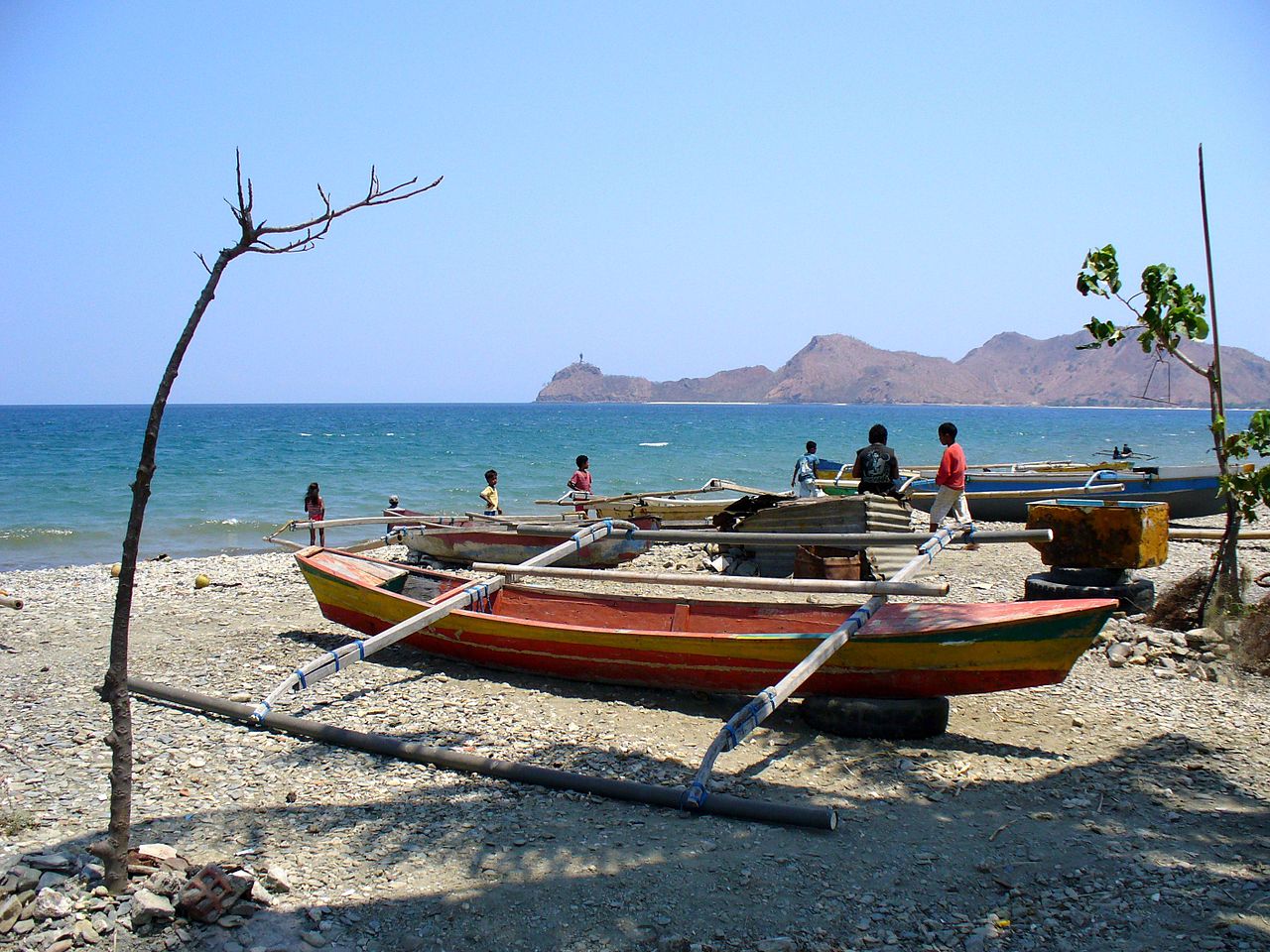
Timor-Leste comprises the eastern portion of Timor plus the islands of Atauro and Jaco. It also includes the district of Oecusse, an exclave separated from the main territory by part of West Timor; the political and cartographic situation makes it an example of an exclave. To the west and north the country shares maritime and land boundaries with Indonesia. The landscape is largely mountainous with narrow coastal plains; climates range from tropical to monsoon-influenced highland zones.
Historical outline
Formerly a Portuguese colony, the territory declared independence in 1975 but was invaded and occupied by Indonesia later that year. After widespread conflict and international attention, a UN-sponsored referendum in 1999 led to a transition under UN administration. Following this period of international oversight, Timor-Leste became a fully independent state in the early 21st century. The history of decolonization, occupation and recovery is central to the country's political identity.
Government and international relations
Timor-Leste is governed as a democratic republic with institutions that include a president and a national parliament. It is an active participant in international organizations; the country is a member of the United Nations (UN), the Community of Portuguese Language Countries, and has taken steps to integrate regionally, including membership in the Association of Southeast Asian Nations (ASEAN). Its capital, Dili, functions as the diplomatic hub.
Society, language and economy
The national languages include Tetum and Portuguese, and Malay/Indonesian influence remains strong in everyday speech; the name Timor-Leste comes from the Malay word for "east," timur. The population is young and largely rural. Key economic activities include smallholder agriculture, particularly coffee, while offshore oil and gas revenues have been important to public finances. Development challenges include improving infrastructure, diversifying the economy and strengthening public services. Dili has a population on the order of a few hundred thousand and is the principal center for commerce and administration; other towns such as Baucau feature in regional life (settlements).
Notable facts and distinctions
- Name: The term "Timor-Leste" blends local and Portuguese usage; in English the name is commonly given as East Timor.
- Territorial complexity: The presence of the Oecusse exclave and nearby islands like Atauro and Jaco contributes to a diverse coastal and maritime geography.
- Cultural links: Portuguese heritage and Austronesian languages shape law, education and religion.
For readers seeking maps, demographic lists or more detailed material on particular provinces and institutions, follow general country introductions or official sources that provide updated statistical and legal information (country overview, Timor island context, regional context). Additional local and international reports provide current perspectives on economic management, development programs and conservation of the island's coastal ecosystems.
Questions and answers
Q: Where is East Timor located?
A: East Timor is located in Southeast Asia on the eastern side of the island of Timor.
Q: What are the smaller islands included in East Timor?
A: The smaller islands included in East Timor are Atauro and Jaco Island.
Q: What is an exclave?
A: An exclave is a small area that is separated from the main part of the country by part of another country.
Q: Why is Oecusse an exclave?
A: Oecusse is an exclave because it is separated from the main part of East Timor by part of Indonesia.
Q: What is the capital and largest city of East Timor?
A: The capital and largest city of East Timor is Dili.
Q: What is the next largest city in East Timor?
A: The next largest city in East Timor is Baucau.
Q: What international organizations is East Timor a member of?
A: East Timor is a member of the United Nations, the Association of Southeast Asian Nations, and the Community of Portuguese Language Countries.
Related articles
Author
AlegsaOnline.com East Timor (Timor-Leste): geography, history, society and international role Leandro Alegsa
URL: https://en.alegsaonline.com/art/29711
Sources
- timor-leste.gov.tl : Konstituisaun Repúblika Demokrátika Timór-Leste
- news.bbc.co.uk : "Country profile: East Timor"
- timornewsline.com : "President Horta announces preliminary census of population's results"
- imf.org : "East Timor"
- hdr.undp.org : "Human Development Report 2011 – Human development statistical annex"
- gunungbagging.com : "Mount Ramelau"
- conservation.org : "Timor-Leste's Nino Konis Santana National Park"
- dne.mopf.gov.tl : District Priority Tables