
Brunei (Brunei Darussalam): geography, government, economy and culture
Compact encyclopedia article on Brunei Darussalam: location on Borneo, political system under a Sultan, oil-based economy, demography, history, environment and cultural features.
Overview and geography
Brunei Darussalam, commonly called Brunei, is a small sovereign state on the island of Borneo in Southeast Asia. It occupies a narrow coastal strip in the north of the island and is bordered on three sides by the Malaysian state of Sabah and Sarawak. To the north lies the South China Sea and, farther northeast across the water, the Philippines. The country’s compact territory includes lowland rainforest, mangroves and coastal plains; the capital and largest urban centre is Bandar Seri Begawan.
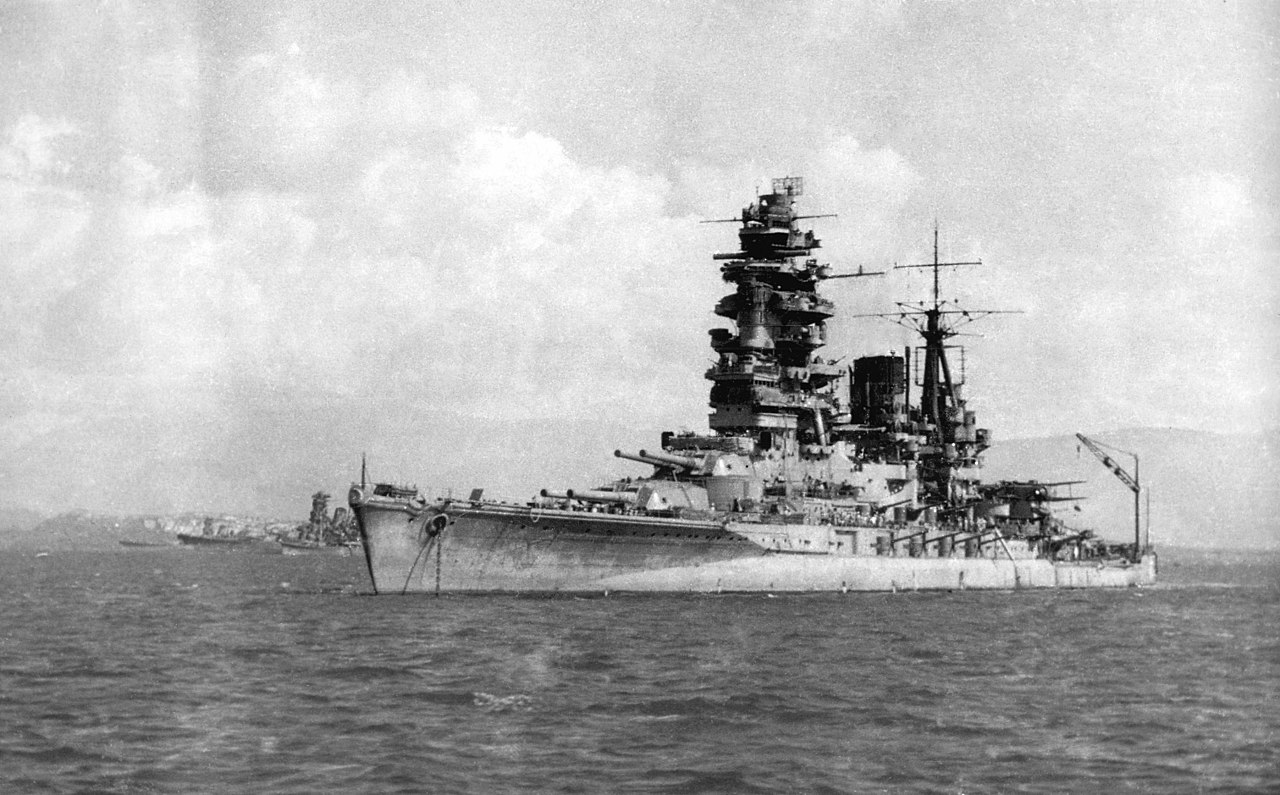
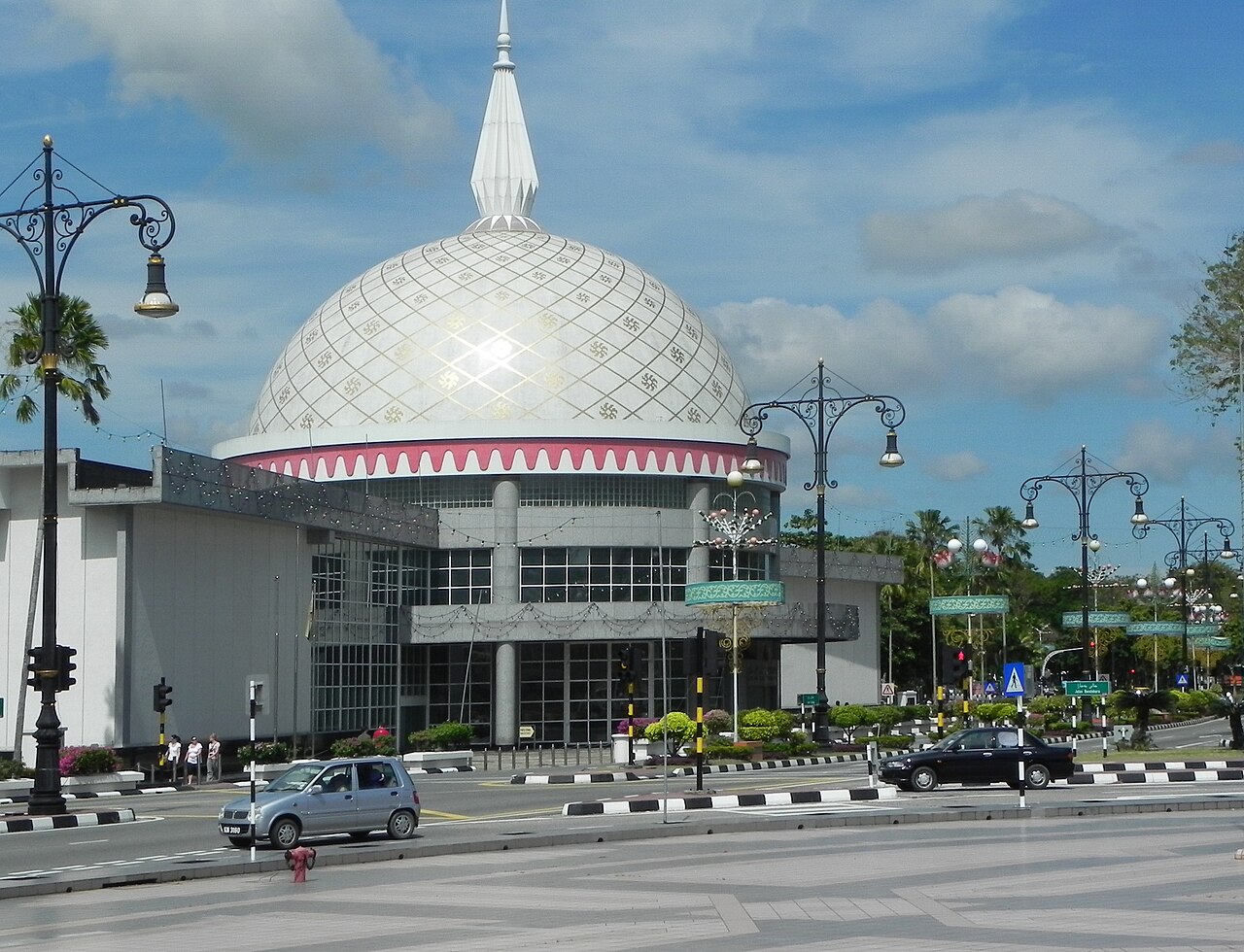
Image gallery
10 Images





Government, law and society
Brunei is a hereditary sultanate ruled by the Sultan of Brunei, who combines the roles of head of state and head of government. The monarchy plays a central role in political life and national identity. The legal system blends civil codes with Islamic law in certain areas; the Sultan and senior ministers direct major policy decisions. Social life is influenced by conservative Islamic values, and Islam is the official religion, shaping holidays, education and public practices.
Population, languages and religion
Brunei has a small population relative to its neighbours. The national and administrative language is Malay, though English is widely used in business and government, and various indigenous languages are spoken in rural areas. The majority of residents are Muslim; there are also communities of Buddhists and followers of indigenous beliefs, often described as Buddhism and animist traditions, reflecting the region’s ethnic diversity.
Economy and resources
Brunei’s economy is dominated by hydrocarbons. Revenues from oil and natural gas have funded public services, infrastructure and a relatively high standard of living. The state controls significant energy companies and uses oil income for social programs and subsidies. While energy remains central, government policy has periodically emphasised diversification to reduce reliance on finite resources.
History and development
Historically, the Bruneian sultanate was an influential Malay polity that engaged in regional trade. In the 19th and 20th centuries Brunei’s external relations grew closer to British authorities; the country later became fully independent and developed its modern institutions under continued monarchical leadership. The nation’s recent history is marked by steady investment in public infrastructure and deliberate efforts to preserve cultural identity alongside economic development.
Environment, culture and notable facts
Brunei contains stretches of relatively intact tropical forest and mangrove systems important for biodiversity and local livelihoods. The state promotes conservation alongside carefully managed development. Culturally, Brunei is known for Malay-Islamic traditions, royal ceremonies, and museums and mosques in Bandar Seri Begawan. Quick facts:
- Government: absolute/constitutional elements under the Sultan (monarchy).
- Language: Malay, English commonly used.
- Religion: Islam predominant; Buddhist and indigenous minorities.
- Location: on Borneo in Southeast Asia, adjacent to Malaysia and the South China Sea.
For further general reading and official sources see government and regional overviews (regional, capital, language resources).
Questions and answers
Q: Where is Brunei located?
A: Brunei is a country located in Southeast Asia, north of Malaysia on the island of Borneo.
Q: What is the capital of Brunei?
A: The capital of Brunei is Bandar Seri Begawan.
Q: Who is the leader of Brunei?
A: The leader of Brunei is the Sultan of Brunei.
Q: What is the official religion in Brunei?
A: The official religion in Brunei is Islam.
Q: What is the official language and national language of Brunei?
A: The official language and national language of Brunei is Malay.
Q: What is Brunei known for?
A: Brunei is known for being one of the smallest Muslim countries in the world and for its abundance of oil which has made its leader, the Sultan of Brunei, one of the richest people in the world.
Q: What other religions are practiced in Brunei besides Islam?
A: There are minorities of people who follow Buddhism or Animism in Brunei.
Related articles
Author
AlegsaOnline.com Brunei (Brunei Darussalam): geography, government, economy and culture Leandro Alegsa
URL: https://en.alegsaonline.com/art/14877
Sources
- ethnologue.com : "Brunei (Languages)"
- brudirect.com : "Give recognition to our languages"
- borneobulletin.brunei-online.com : "Call to add ethnic languages as optional subject in schools"
- bt.com.bn : "Writing contest promotes usage, history of Jawi script - The Brunei Times"
- kuna.net.kw : "Sultan of Brunei holds dinner for His Highness Amir"
- cia.gov : "Brunei"
- imf.org : "Brunei"
- hdr.undp.org : "Human Development Report 2011"
- books.google.com.bn : Brunei Sultan Haji Hassanal Bolkiah Mu'izzaddin Waddaulah Handbook
- agc.gov.bn : "CONSTITUTION OF BRUNEI DARUSSALAM"
- jpm.gov.bn : "Home - Jabatan Perdana Menteri"
- cnn.com : "Brunei adopts sharia law amid international outcry"
- depd.gov.bn : Brunei Darussalam Statistical Yearbook
- 2009-2017.state.gov : "Background Note: Brunei"