
Bernadette Soubirous: the visions at Lourdes and her legacy
Bernadette Soubirous (1844–1879) reported a series of Marian apparitions at Lourdes in 1858. Her testimony, later recognized by the Catholic Church, made Lourdes a major pilgrimage site and shaped modern devotion.
Bernadette Soubirous (7 January 1844 – 16 April 1879) was a young French woman who, as a teenager, reported a series of Marian apparitions at a grotto near Lourdes in southwestern France. Between February and July 1858 she spoke of seeing a lady on eighteen separate occasions. Those accounts, given in simple, local language, drew intense public interest and transformed both Bernadette’s life and the small town of Lourdes into an international center of devotion.
Image gallery
10 Images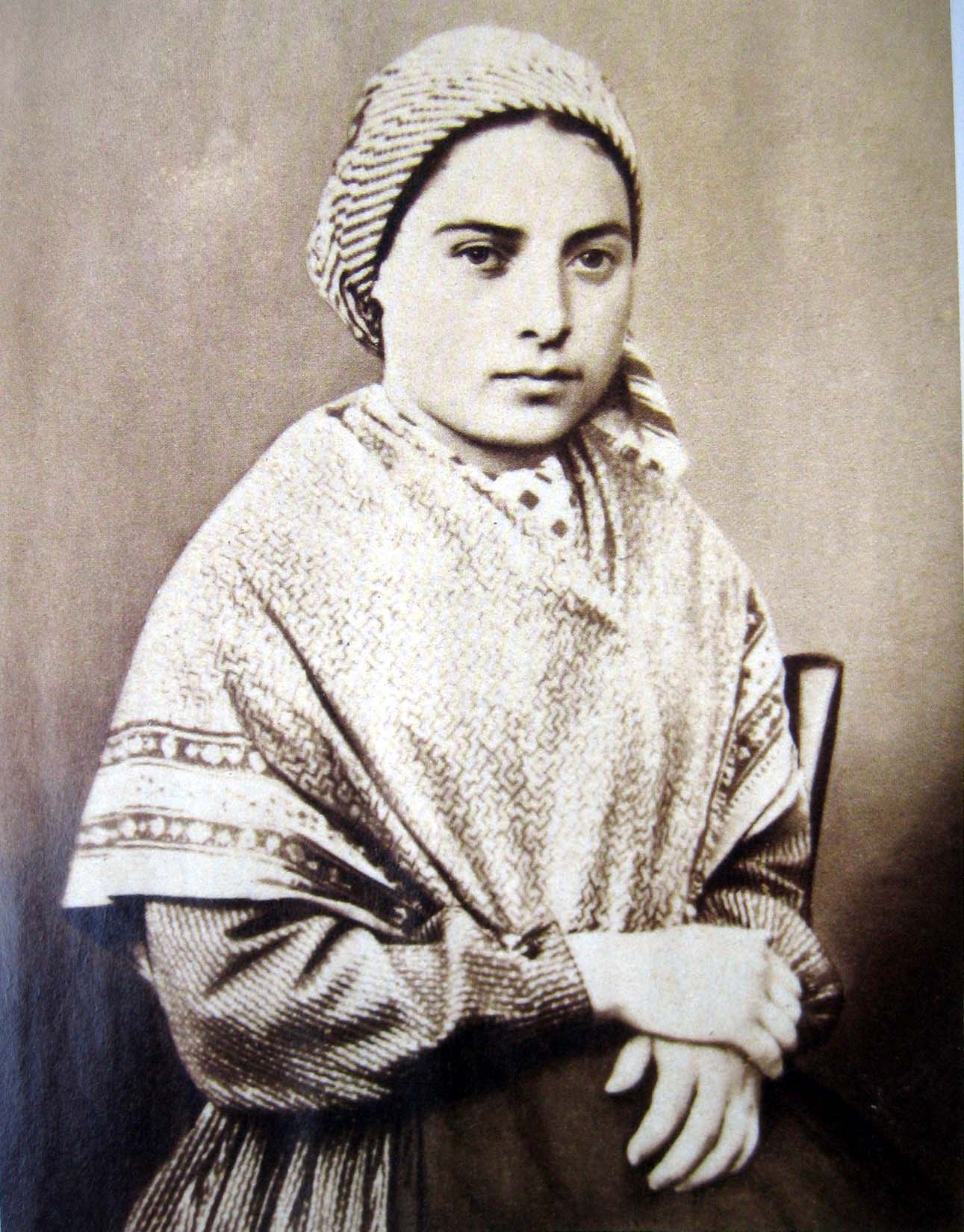





Early life and social setting
Born into a poor, working-class household, Bernadette’s upbringing was marked by material hardship and fragile health. She lived in a rural community where Catholic observance was woven into daily life. Her youth and family circumstances influenced how contemporaries interpreted the events she described and affected the manner in which local clergy and civic authorities responded.
The apparitions and the grotto
The reported visions took place at the Grotto of Massabielle. According to Bernadette’s testimony, the figure taught her simple prayers, asked for penance, and directed attention to a spot where a spring of water would appear. Pilgrims and later tourists have come to venerate that site; the spring and the baths supplied by it are central elements of the Lourdes devotion. In one encounter the lady is said to have used the title connected to the doctrine of the Immaculate Conception, a detail that resonated strongly with Catholic belief at the time.
After the events: vocation and recognition
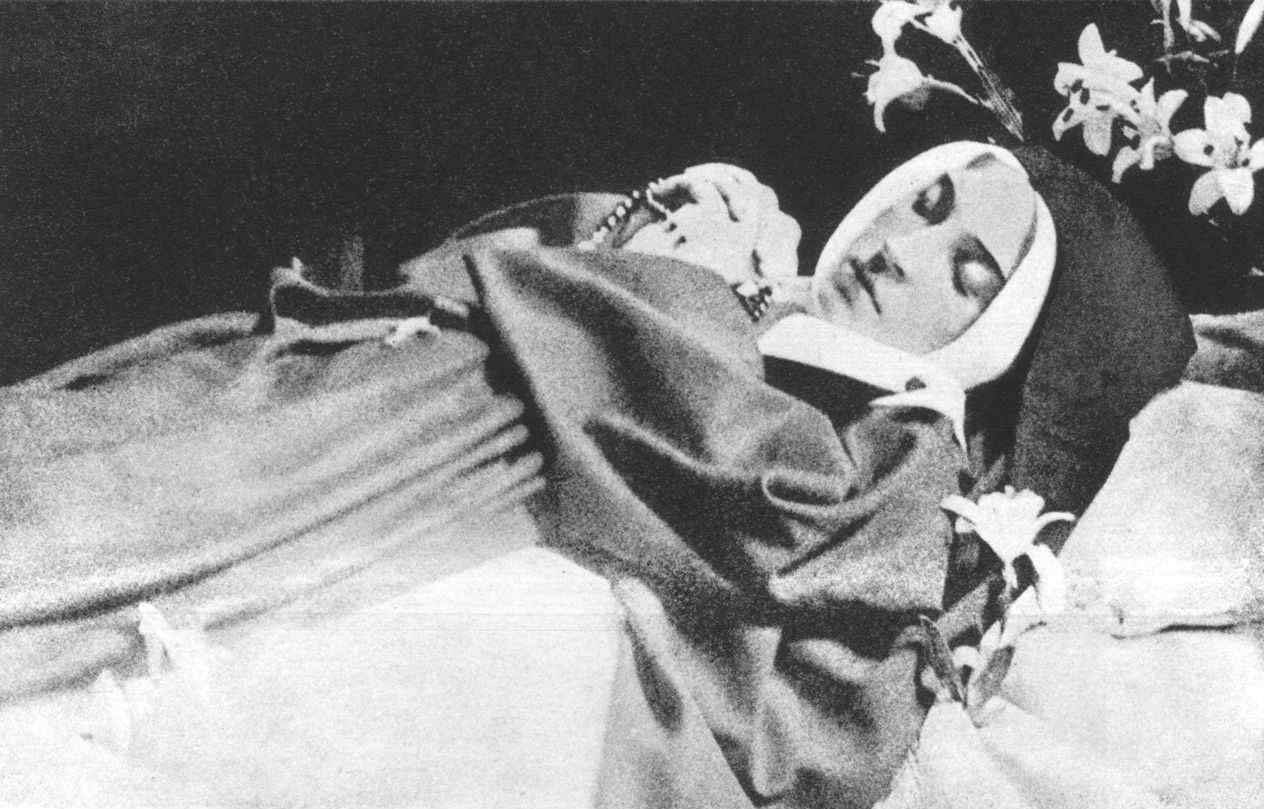
Following the public attention at Lourdes, Bernadette sought a quieter religious life. She entered a congregation of nuns and spent her remaining years in community life, marked by humility and service. She died in 1879. Over subsequent decades the local bishop and later the wider Roman Catholic Church examined the Lourdes events, assessed medical claims connected to the spring, and moved through formal processes of recognition and veneration. Bernadette herself was eventually raised to the honors of the altar.
Legacy and significance
Lourdes grew into one of the most visited Catholic pilgrimage destinations, attracting people seeking prayer, consolation, or healing. A small number of cures associated with Lourdes have undergone careful medical and ecclesiastical scrutiny and have been recognized as inexplicable by Church procedures. At the same time the Church distinguishes private revelations—such as Bernadette’s visions—from public revelation and doctrinal teaching, treating such appearances as matters of personal and devotional assent rather than sources of new doctrine.
Notable facts
- Bernadette reported eighteen apparitions in 1858.
- She was a poor, rural teenager when the visions began and later entered religious life as a nun.
- The spring at the grotto and the associated baths are central to the Lourdes devotion.
- Lourdes developed into a major pilgrimage site and has had wide cultural impact through art, literature and film.
Related articles
Author
AlegsaOnline.com Bernadette Soubirous: the visions at Lourdes and her legacy Leandro Alegsa
URL: https://en.alegsaonline.com/art/115028
Sources
- biographyonline.net : "Biography Bernadette Soubirous - Saint of Lourdes"