
Independent Catholic churches: overview, history, and distinctions
Christian communities tracing Catholic tradition but not in communion with the Holy See; varied origins, beliefs, liturgies, and relationships with Roman and Eastern churches.
Overview
Independent Catholic churches are a broad set of Christian communities that identify with Catholic liturgical, sacramental and pastoral traditions but are not in formal communion with the Roman Holy See. They often describe themselves as part of the wider Catholic tradition while maintaining organizational independence, alternative governance, or differing theological positions. Many emphasize the historic episcopate and claim apostolic succession through their bishops; such claims are part of how they assert continuity with ancient Christian orders (apostolic succession).
Image gallery
2 Images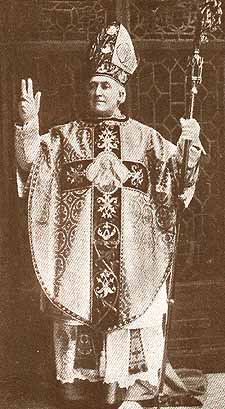

Characteristics and organization
Independent Catholic communities vary widely in size, structure, and practice. Common features can include preservation of traditional liturgies, local or national governance rather than papal jurisdiction, married clergy, distinctive sacramental emphases, and in some cases the ordination of women or openly LGBTQ clergy. Their worship styles may be virtually indistinguishable from Roman Catholic rites in some groups, while others adapt or modernize liturgical language and music. Governance ranges from single parishes or small networks to national churches with their own bishops and constitutions.
History and origins
The modern wave of independent Catholic movements largely dates from developments after the First Vatican Council (1869–1870), when debates about papal authority and infallibility encouraged some groups to separate. The Old Catholic movement was among the earliest and most influential of these departures, rejecting the new papal doctrines and forming a distinct communion (Old Catholic). Later schisms, national tensions, and pastoral disagreements produced further independent bodies. In the late 20th century new traditionalist groupings emerged, such as the Society of St. Pius X founded in the 1970s, which exemplify another strand of independence linked to reactions against modern reforms.
Examples and diversity
- Old Catholic churches, which organized in parts of Europe after 1870 and retain many Catholic forms.
- National or ethnic churches that formed for cultural or political reasons, such as certain Polish and Brazilian movements.
- Liberal or progressive independent communities that ordain women and adopt inclusive pastoral practices.
- Traditionalist groups that split from mainstream Catholic institutions in reaction to liturgical and doctrinal change (papal reforms and related debates).
- Small, single-church jurisdictions founded around charismatic leaders or particular interpretations of sacramental theology.
Recognition, ecumenical relations, and legal aspects
Recognition of independent Catholic communities is mixed. The Roman Catholic Church normally regards them as outside its canonical communion and evaluates claims of valid orders and sacraments case by case. By contrast, the Eastern Orthodox and Oriental Orthodox communions (for example, some Eastern Orthodox and Coptic churches) have their own historical lines of recognition and dialogue with Rome; these relationships differ sharply from those of independent Catholic groups. Independents may seek legal recognition within their countries, secure church properties, or obtain civil status for marriages and offices according to local law.
Importance and notable distinctions
Independent Catholic churches play varied roles: they can provide pastoral alternatives for believers dissatisfied with larger institutions, test liturgical and theological innovation, and serve migrant or ethnic communities. They also raise complex questions about sacramental validity, apostolic succession, and ecumenical engagement. Assessments of their ministries and orders differ among theologians, historians, and church authorities, so discussions typically emphasize the specific history and practices of each community rather than broad generalizations.
For further reading on related topics, consider sources on Catholic tradition (Catholic history), episcopal succession (bishops), and ecumenical relations between Western and Eastern churches (Catholic, Orthodox, Oriental Orthodox). Institutional and legal aspects vary by country and by each independent church's internal rules.
Related articles
Author
AlegsaOnline.com Independent Catholic churches: overview, history, and distinctions Leandro Alegsa
URL: https://en.alegsaonline.com/art/47065