
Lourdes: pilgrimage town in the foothills of the Pyrenees
Lourdes is a town in the Hautes-Pyrénées, Occitanie (France) known for 1858 Marian apparitions, the Sanctuary and grotto, large-scale pilgrimages, and a tourism-based local economy.
Overview
Lourdes is a small town and commune in southwestern France, located in the foothills of the Pyrenees. Historically a modest market town, it occupies a striking site beneath a medieval castle rock and sits within the Hautes-Pyrénées department. It is part of the wider Occitanie region and is often referenced by its local Occitan name Lorda. Administratively Lourdes functions as a town centre and a commune unit within the French territorial system.
Image gallery
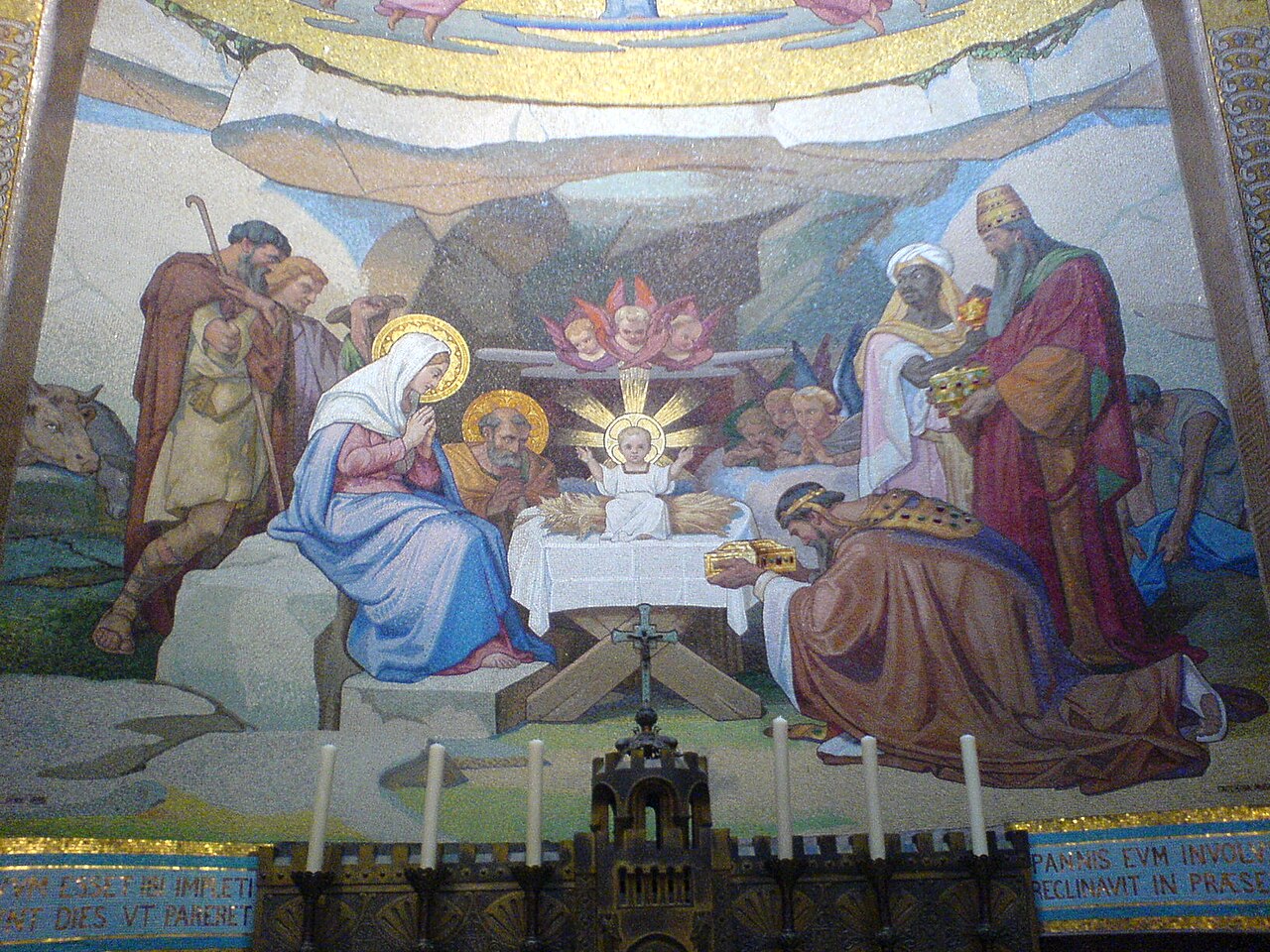
10 Images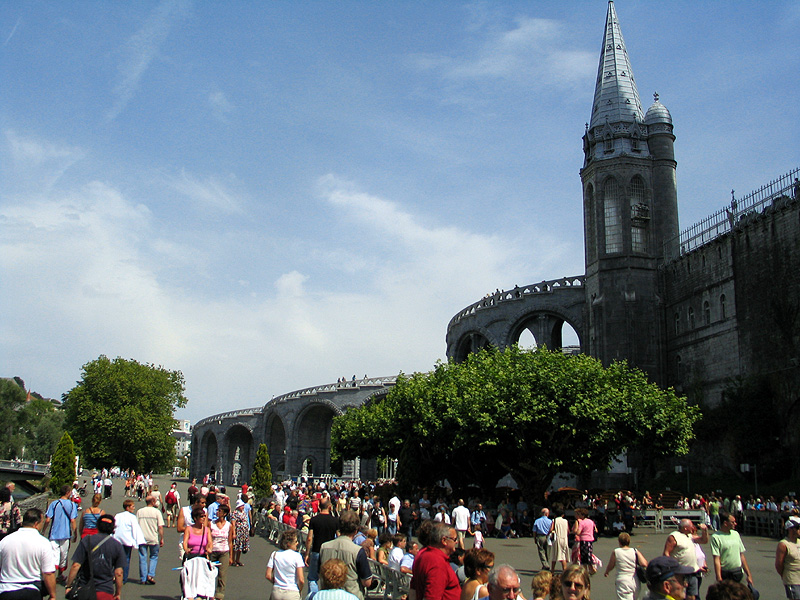






Key features and geography
The town lies at the lower slopes of the Pyrenees range foothills, where a small river valley and surrounding hills create a compact urban footprint. The most visible landmark is the old fortress perched on a limestone outcrop. Modern Lourdes includes extensive religious architecture, hotels and facilities that accommodate visitors and pilgrims. The town is also the co-seat of the Roman Catholic diocese covering Tarbes and Lourdes.
Apparitions and religious significance
Lourdes became widely known after a series of reported Marian apparitions in 1858. A local girl, Bernadette Soubirous, described visions of the Virgin Mary, a devotion later named Our Lady of Lourdes. Those events transformed the town into an international site of Catholic devotion. The site around the Massabielle grotto, where the visions were said to have occurred, and several adjacent basilicas now form the Sanctuary complex.
Pilgrimage, rituals and visitor experience
Each year Lourdes receives large numbers of visitors and pilgrims from many countries; estimates speak of millions of visitors over a season rather than a single brief period. Pilgrims come to pray at the grotto, take part in the torchlight Marian procession, and visit baths fed by the spring that emerged near the grotto. For many, Lourdes represents a place of spiritual renewal; for others it is a cultural and historical destination tied to Catholic devotion and the theme of healing.
Sanctuary sites and liturgy
- Sanctuary precincts including the grotto and multiple basilicas where liturgies and processions are held.
- The underground basilica and the upper basilica, spaces designed to welcome large congregations.
- Public rituals, such as the evening torchlight procession and the Blessed Sacrament procession, provide a shared liturgical rhythm for pilgrims.
Economy, services and distinctions
The local economy is strongly oriented toward hospitality and services for visitors: hotels, hostels, religious goods, and healthcare assistance. Lourdes hosts hundreds of hotel establishments and related businesses that cater to international pilgrims and tourists. While originally a regional market town with local commerce, the town today depends largely on faith tourism and associated services. It remains an important center in Catholic pilgrimage life and a frequent destination on European religious itineraries.
Practical notes and further reading
Transport links, seasonal schedules and accommodation options vary with pilgrimage calendars; prospective visitors often consult diocesan sources or official visitor guides for practical planning. For historical background and visitor information see regional and religious resources related to the department, local guides for the region, and summaries about the town as a biographical and cultural site. Accounts of Lourdes also appear in broader treatments of European pilgrimage and religious tourism studies, and in collections of devotional practice focused on mountain shrines. For travel and pastoral assistance consult official pilgrimage organizers and the diocesan offices linked to the sanctuary.
Questions and answers
Q: What is Lourdes?
A: Lourdes is a town and commune in the southwest of the Hautes-Pyrénées department in southwestern France.
Q: What was Lourdes originally like?
A: Lourdes was originally a small unremarkable market town lying in the foothills of the Pyrenees, with its most prominent feature being a fortified castle which rises up from the centre of the town on a rock.
Q: When did it become a major place of Christian pilgrimage?
A: Following claims that there were apparitions of Our Lady of Lourdes to Bernadette Soubirous in 1858, Lourdes has developed into a major place of Christian pilgrimage.
Q: How many people live in Lourdes today?
A: Today, Lourdes has a population of around 15,000 inhabitants.
Q: How many pilgrims and tourists visit each season?
A: Each season, Lourdes is able to take in some 5,000,000 pilgrims and tourists.
Q: How many hotels are there in Lourdes?
A: There are about 270 establishments (hotels) in Lourdes - making it second only to Paris for number of hotels.
Q: What is the diocese seat for Tarbes-et-Loudres?
A: The diocese seat for Tarbes-et-Loudres is located at joint seat at Loudres.
Related articles
Author
AlegsaOnline.com Lourdes: pilgrimage town in the foothills of the Pyrenees Leandro Alegsa
URL: https://en.alegsaonline.com/art/59490
Sources
- map-france.com : "City of Lourdes"
- habitants.fr : "Habitants des Hautes-Pyrénées"
- insee.fr : "Populations lègales 2012 - 65-Hautes-Pyrénées"