
Incense: aromatic materials, history, and common uses
Incense are aromatic materials burned to release fragrant smoke. Used in religious rites, ceremonies, and domestic settings, it appears in many cultures in forms such as sticks, cones, resins, and powders.
Overview
Incense is any combustible substance that, when burned, produces fragrant smoke. Historically valued for scent and symbolism, incense blends natural aromatic compounds and binders to make a steady, scented smoke. Many suppliers and makers describe raw materials and recipes used to craft different fragrances and textures.
Image gallery
10 Images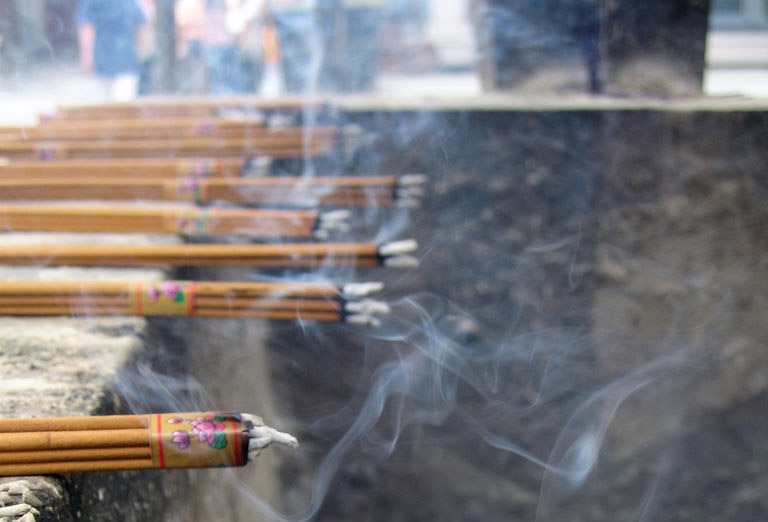


Forms and common ingredients
Incense is available in several forms: sticks or joss sticks, cones, loose resins, powders, and coils. Typical ingredients include wood powders, gums and resins (such as frankincense or myrrh), essential oils, aromatic herbs, and natural or synthetic binders. Different preparations emphasize either a quick, sharp scent (e.g., powders, some resins) or a prolonged, mellow aroma (e.g., charcoal-based cones and sticks). For discussions of scent chemistry and perception see scent and fragrance resources.
Uses, rituals, and cultural roles
Incense plays roles in private and public settings. It is burned in temples and homes, used in meditation and relaxation practices, and employed to scent a room. Ritualized use appears across many traditions: in communal rituals, personal devotional acts, and formal liturgies. Its association with spiritual practice and cleansing is common across multiple religions.
In Judaism, the use of specific temple incense is described in Biblical texts; for example, instructions appear in the book of Exodus and related sources, and ritual prescriptions are part of historical accounts of worship in the Temple, often noted in studies of Jewish ritual practice. Christianity records symbolic references to incense and aromatic gifts—most famously the presentation of gold, frankincense and myrrh to the infant Jesus in accounts such as the Gospel of Matthew—and many Christian denominations continue to use censers and incense in liturgy (Christianity, frankincense and myrrh).
Contemporary uses and distinctions
- Religious and ceremonial: offerings, purification, symbolic communication.
- Therapeutic and meditative: used in practices marketed as relaxation or aromatherapy.
- Domestic: masking odors, creating atmosphere, or as part of crafts and perfumery.
Modern buyers choose between traditional natural resins and blends versus mass-produced scented sticks using synthetic fragrances. Quality, burn behavior, and smoke level vary, and users are advised to consider ventilation and material safety as some scented products emit irritants if used excessively. Whether approached as a cultural artifact, a tool for ritual life, or a simple scenting product, incense remains a widespread and historically layered practice across regions and belief systems.
Related articles
Author
AlegsaOnline.com Incense: aromatic materials, history, and common uses Leandro Alegsa
URL: https://en.alegsaonline.com/art/46997