
Our Lady of Lourdes
Marian title for the Virgin Mary linked to 1858 apparitions at Lourdes, France, reported by Bernadette Soubirous; now a major Catholic pilgrimage site centered on a grotto, a spring, and devotion to healing.
Overview
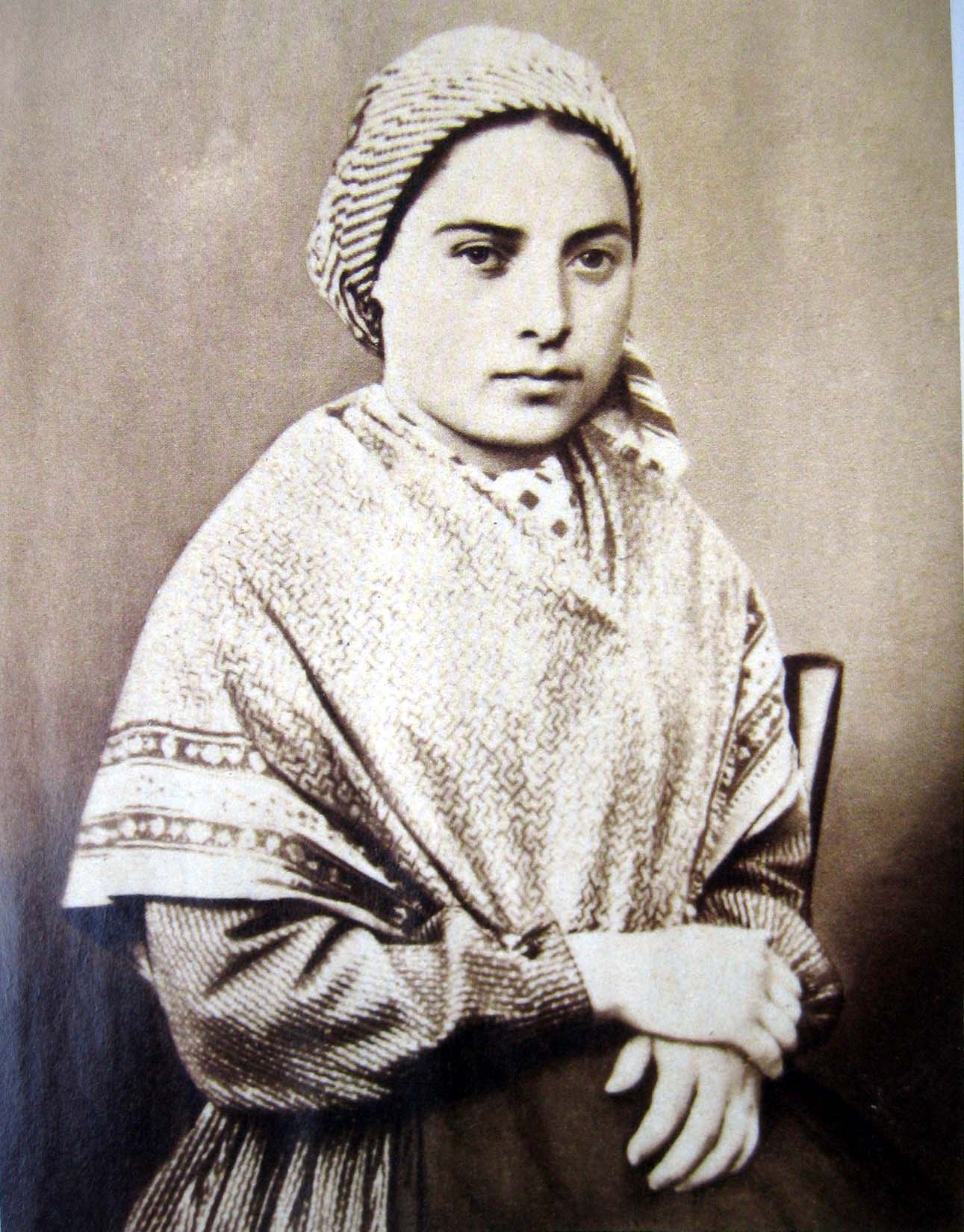
Our Lady of Lourdes is the title given to the Virgin Mary in connection with a series of reported apparitions at the Grotto of Massabielle near the town of Lourdes in southwestern France. The first apparition is dated 11 February 1858, when a local girl, Bernadette Soubirous, then about fourteen years old, described seeing a young woman who later identified herself in terms commonly translated as "I am the Immaculate Conception." Bernadette reported a total of eighteen encounters that year. The events quickly attracted attention and became the focus of a distinctive Marian devotion.
Image gallery
10 Images



Development and site
The rocky grotto and a spring that Bernadette was said to have uncovered developed into a formal sanctuary. Over time, chapels and larger churches were constructed to accommodate growing numbers of visitors. The site is organized to support pilgrims, with processional routes and facilities for prayer, medical assistance, and communal worship. Common devotional practices include procession, the Rosary, candlelight vigils and the use of water from the spring for drinking or bathing.
Healing claims and investigation
Lourdes is widely associated with reported cures. Many sick pilgrims come seeking physical or spiritual relief; some attribute recoveries to the intercession of Our Lady of Lourdes. To address such claims, medical and ecclesiastical authorities established procedures to document and examine alleged cures. After careful review, only a small number of cases have been judged by Church-appointed reviewers to be medically inexplicable. The majority of reports receive natural or inconclusive explanations, and investigations are often cautious and methodical.
Bernadette and recognition
Bernadette Soubirous later entered religious life, and her testimony has been preserved in contemporary accounts and biographies. The Catholic Church, after inquiries, gave official recognition to the authenticity of the Lourdes apparitions as a valid site of Marian devotion. The anniversary of the first apparition, 11 February, is commemorated liturgically in many places as the memorial of Our Lady of Lourdes.
Significance and cultural impact
The devotion to Our Lady of Lourdes has had enduring religious and cultural effects. Lourdes remains one of the best-known pilgrimage destinations in Christianity, drawing people for prayer, charity, and support for the sick. The site has inspired art, literature, music and film, and has been the subject of academic study in theology, history and the social sciences. Critical perspectives emphasize medical skepticism, the psychology of pilgrimage, and the social and economic effects on the local community, while devotional perspectives highlight consolation, communal care, and expressions of faith.
- Key elements: the Grotto of Massabielle, the spring, devotional processions and multiple chapels.
- Practices: prayer, bathing in spring water, candle vigils, organized pilgrimages and medical accompaniment.
- Approach to cures: documented investigation by medical and Church reviewers, with only a few cases declared inexplicable.
For general information about the place and its principal witness, see entries concerning the town of Lourdes, the country of France, and the life of Bernadette Soubirous.
Related articles
Author
AlegsaOnline.com Our Lady of Lourdes Leandro Alegsa
URL: https://en.alegsaonline.com/art/73621