
Infant baptism
Infant baptism (paedobaptism) is the administration of baptism to young children. This article explains its forms, theological rationales, denominational practices, history and contemporary debates.
Infant baptism, sometimes called paedobaptism or christening, is the Christian practice of baptizing young children or newborns. It is related to the broader rite of baptism and is treated in Christian theology as a way to introduce a child into the life of the church. Different communities interpret its meaning variously—as a sacrament that conveys grace, as a sign of entry into a covenant, or as a rite of dedication and welcome.
Image gallery
8 Images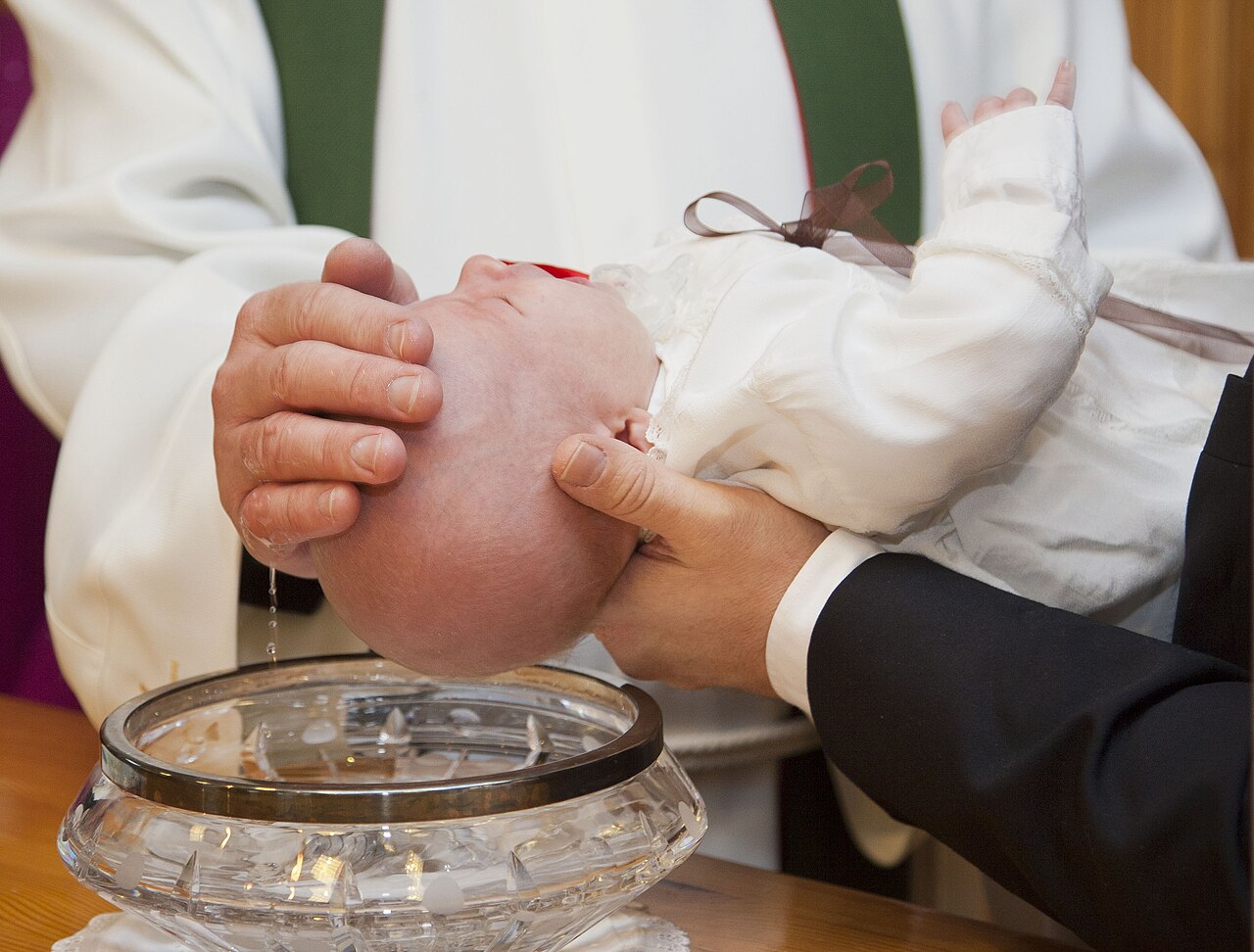


Theological rationales
Supporters argue infant baptism marks inclusion in the covenantal people of God, drawing parallels with circumcision in the Hebrew Scriptures. It is often linked to teachings about original sin, divine grace, and the communal nature of faith: baptism is seen as initiating a child into the church’s care and the promise of future faith formation. Opponents who favor believer’s baptism maintain that baptism should follow an individual's conscious profession of faith and repentance.
Forms and associated rites
Practices vary. Mode can be sprinkling (aspersion), pouring (affusion), or immersion. Rituals commonly include naming, the use of oil or chrism, and the presence of godparents or sponsors who pledge to assist in the child's spiritual upbringing. In some traditions the rite is explicitly called a sacrament and is thought to confer grace when properly administered; in others it is chiefly symbolic.
Denominational patterns
- Roman Catholic, Eastern Orthodox, Lutheran, Anglican and many Reformed churches commonly baptize infants.
- Many Baptist, Pentecostal and nondenominational churches practice believer’s baptism and do not baptize infants.
- Some traditions allow both approaches or offer a distinct dedication service instead of baptism.
Historically, evidence for infant baptism appears in early church writings and practices, though details and emphases developed over centuries. The Reformation prompted renewed debate: some reformers retained infant baptism within a reinterpreted covenant theology, while others rejected it in favor of credobaptism (personal confession). Councils and confessions have clarified positions in different communions.
Today infant baptism remains a significant and sometimes contested practice. It shapes family and communal religious life, affects questions of church membership and identity, and continues to be discussed in ecumenical conversations about sacrament, covenant, and personal faith.
Related articles
Author
AlegsaOnline.com Infant baptism Leandro Alegsa
URL: https://en.alegsaonline.com/art/47261