
Index Librorum Prohibitorum: history, purpose and legacy
Overview of the Index Librorum Prohibitorum, the Catholic Church's historical list of prohibited books: origins, criteria, notable cases, enforcement, abolition (1966) and its legacy in print culture and intellectual history.
The Index Librorum Prohibitorum, commonly called the Index, was a list maintained by authorities of the Catholic Church identifying books judged dangerous to faith or morals. Compiled and revised over four centuries, it aimed to protect the faithful from works that ecclesiastical censors considered heretical, lascivious or otherwise immoral. Historians often describe the Index as a form of institutional censorship, one component of a broader system of licensing, expurgation and oversight tied to clerical authority.
Image gallery
10 Images





Origins and early lists
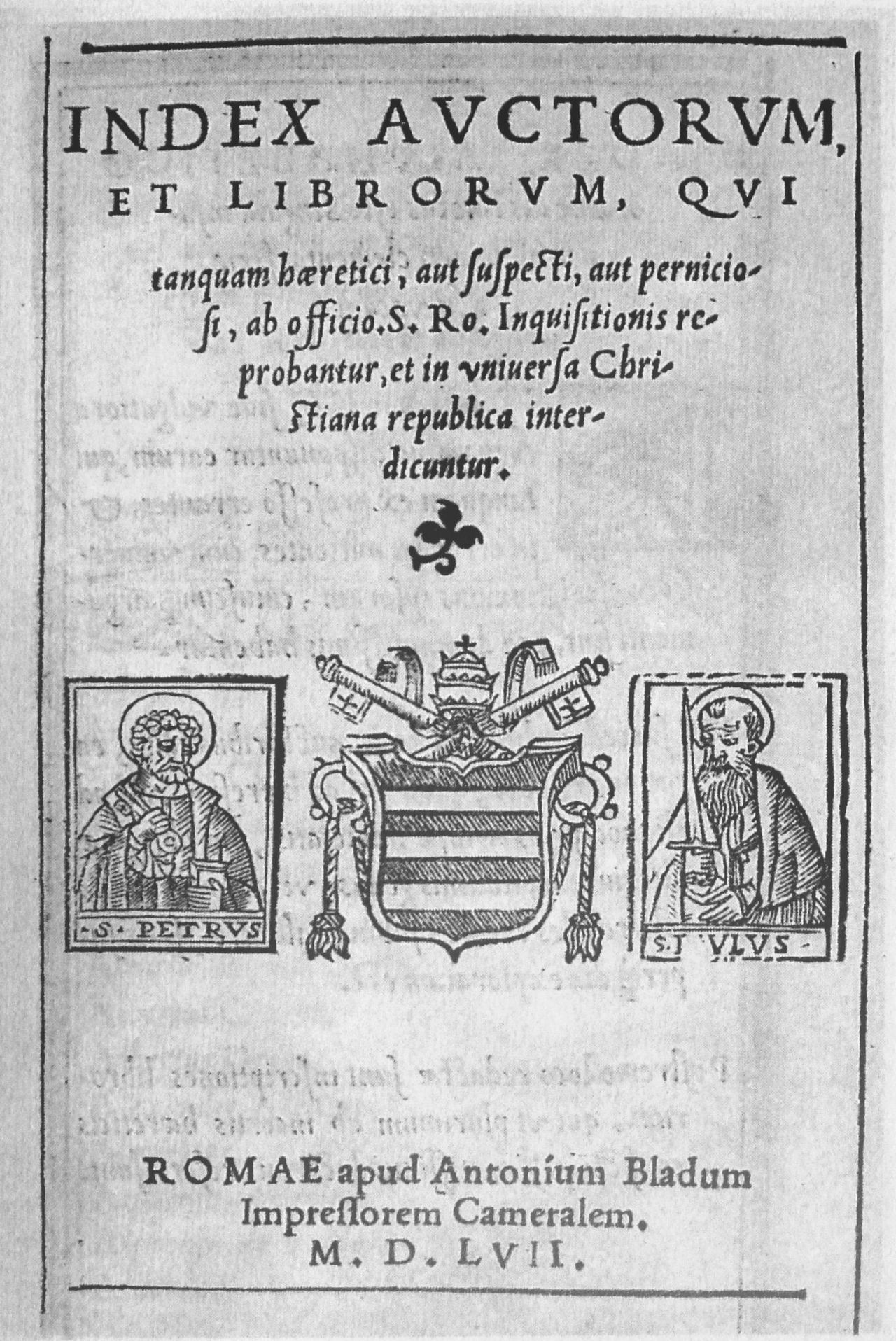
Before a centralized Roman Index existed, local and provincial lists were produced in the early decades of print. Notable early catalogues appeared in the Catholic Netherlands, in Venice, and in Paris. By the mid-sixteenth century, violent confessional struggles — for example the wars in France and parts of Germany — led religious and civil authorities to conclude that controlling the press could limit the spread of doctrinal error. In Rome, Pope Paul IV issued the Pauline Index in 1559, the first officially promulgated Roman edition.
Institutional development and procedures
From the late sixteenth century a dedicated body administered the catalogue and reviewed cases. The Sacred Congregation of the Index and related offices examined petitions, assessed texts and sometimes required expurgation (the removal of passages) rather than a blanket ban. Administrative instruments such as the nihil obstat and imprimatur governed permission to publish or translate works, while rules spelled out how banned books should be handled by booksellers and the laity.
Criteria, scope and types of works listed
The Index covered a wide range of writings: theological treatises, philosophical works, scientific texts, histories, plays and novels, as well as translations of the Bible not approved by ecclesiastical authorities. Grounds for inclusion included explicit doctrinal error, attacks on ecclesiastical institutions, moral corruption, or other content deemed to threaten the faith. Many authors associated with the Reformation, the Enlightenment and later intellectual movements were subject to review.
Notable cases and examples
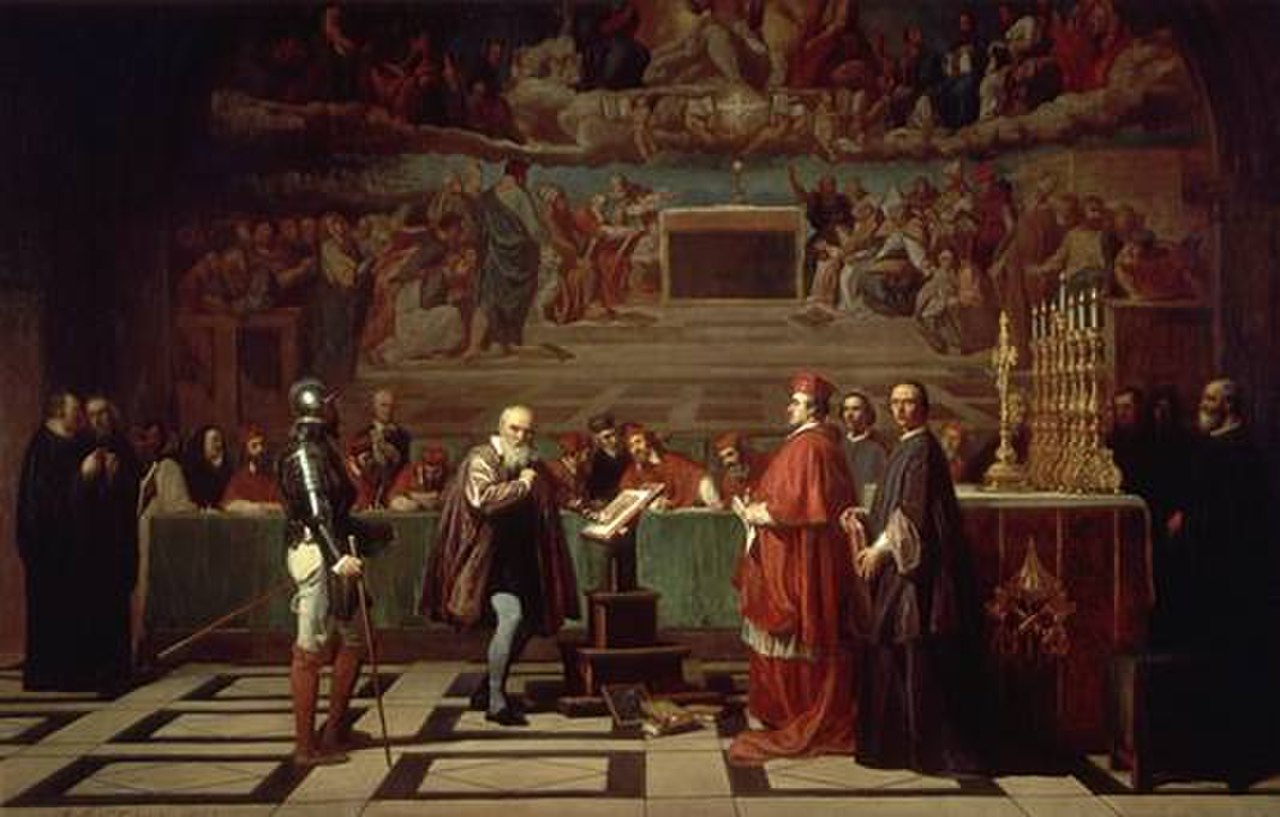
Individual cases illustrate the Index’s reach. Some scientific works that challenged traditional cosmology were restricted or banned for periods; for instance, writings by Johannes Kepler and the controversy surrounding heliocentric ideas show the tensions between emerging science and ecclesiastical interpretation. Philosophical and critical works, such as some writings associated with Immanuel Kant and other modern thinkers, were also placed under scrutiny. The trial and condemnation of Giordano Bruno in 1600, whose works were added to the Index, remains a widely discussed and contested episode in this wider history. The Index is often linked in popular accounts to opposition to heliocentrism, though individual condemnations combined multiple doctrinal and moral charges.
Enforcement and the role of tribunals
Enforcement of prohibitions varied by time and place. Ecclesiastical courts and inquisitorial tribunals, including the Inquisition in certain periods, sometimes collaborated with civil authorities to suppress circulation, confiscate copies or impose penalties. Local enforcement depended on political will, resources and public reception; in many regions, the Index functioned more as a guideline for clergy and librarians than as an absolute guarantee of suppression.
Later history and abolition
The Index continued to be revised into the twentieth century; the last printed editions date from the mid-1900s and the Index was administratively superseded and formally abolished as a juridical instrument by Pope Paul VI in 1966. Earlier gradual relaxations, including permissions for works that accepted the Earth's motion in the nineteenth century, reflected changing relationships between church teaching, scholarship and modern science.
Legacy and scholarly study
Although no longer enforced, the Index remains significant for the study of censorship, print culture and intellectual history. Scholars use surviving editions of the Index, archival correspondence and bibliographic compilations to track what kinds of writing concerned authorities and how standards changed. Catalogues listing banned authors and titles — produced by bibliographers and historians — allow researchers to trace patterns of control, resistance and adaptation across Europe and beyond.
- Topics for deeper inquiry: mechanics of expurgation, regional enforcement differences, and the cultural impact on literature and science.
- For institutional and contextual studies see archival projects and major bibliographies summarizing Index entries and procedures.
For introductory surveys and archival pointers consult guides to church policy and historical studies of ecclesiastical authority, works on print censorship, and regional case studies such as the early lists from the Netherlands, Venice and Paris. Online and printed catalogues list the authors and works that appeared in successive editions and offer reliable starting points for research into this complex chapter of modern intellectual history.
Readers interested in specific incidents or in comprehensive lists may consult specialized bibliographies and the multi-volume compendia that collect Index entries and commentary; these resources illuminate how a single institutional tool shaped, and was reshaped by, changing debates about belief, morals and the control of ideas.
Questions and answers
Q: What is the Index Librorum Prohibitorum?
A: The Index Librorum Prohibitorum (English: List of Prohibited Books) was a list of books banned by the Catholic Church because they were thought to be heretical, anti-clerical or lascivious.
Q: When and where was it first published?
A: The first version of the Index was published in Catholic Netherlands (1529); Venice (1543) and Paris (1551).
Q: Who was responsible for updating the list?
A: From 1571 to 1917, the Sacred Congregation of the Index was in charge of updating the list.
Q: What was its purpose?
A: The aim of the list was to protect the belief and morals of the faithful by preventing them from reading heretical and immoral books.
Q: How did authorities enforce it?
A: Enforcing the Index was done through Inquisition, which included burning at stake those who violated it.
Q: Are there any examples of works that were on this list?
A: Examples include works by astronomers such as Johannes Kepler's Epitome astronomiae Copernicanae, which was on the Index from 1621 to 1835, and by philosophers like Immanuel Kant's Critique of Pure Reason. Even editions and translations of Bible not been approved by Church could be banned.
Q: When did Pope Paul VI abolish this index ?
A: Pope Paul VI abolished this index on 14 June 1966.
Related articles
Author
AlegsaOnline.com Index Librorum Prohibitorum: history, purpose and legacy Leandro Alegsa
URL: https://en.alegsaonline.com/art/47077
Sources
- books.google.com : The Cambridge History of Renaissance Philosophy
- hps.cam.ac.uk : Cambridge University on Index.
- britannica.com : Encyclopaedia Britannica: Index Librorum Prohibitorum
- books.google.com : Life in the Universe
- books.google.com : Index des livres interdits
- search.beaconforfreedom.org : Searchable database of Index Librorum Prohibitorum