
Antigua: island overview, history, geography, economy and culture
Antigua is the principal island of the state of Antigua and Barbuda in the eastern Caribbean. This article summarizes its geography, peoples, colonial history, economy, culture and notable features.
Overview
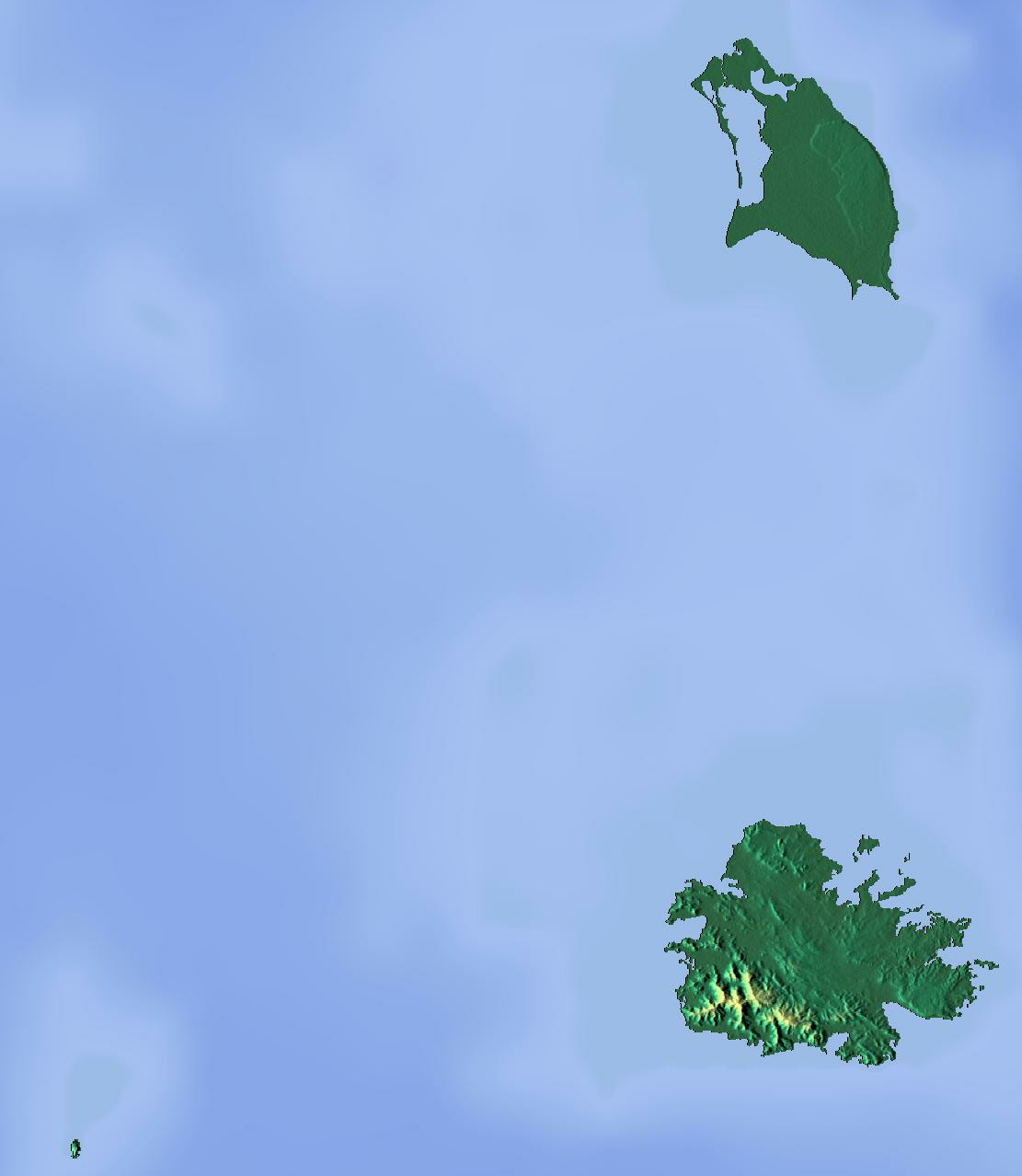
Antigua is the main island of the independent state Antigua and Barbuda in the eastern Caribbean. Known locally by the Indigenous name Wadadli, often rendered as "our own," the island lies in the Leeward Islands of the Lesser Antilles and has long been a center for tourism, yachting and regional transport. Its land area is about 281 km² (108 sq mi) with a coastline measured in the tens of kilometers; the population of the island proper was reported as roughly 69,000 in the mid-2000s.
Image gallery
10 Images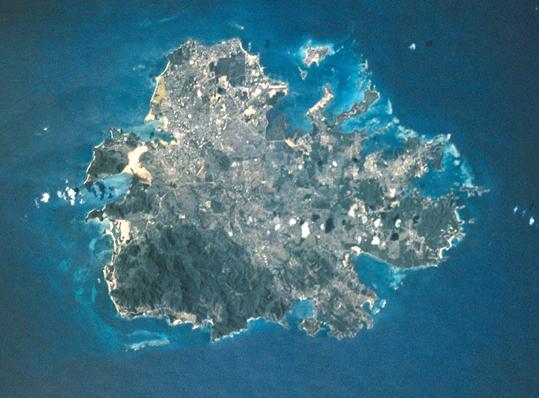



Geography and environment
The island's topography is relatively low and gently undulating, with limestone and volcanic features. Sandy beaches, sheltered bays and coral reefs are prominent along the coast, creating conditions favorable to swimming, sailing and diving. The climate is tropical maritime, moderated by trade winds, which produces a dry season and a rainy season rather than strong temperature variation. Native vegetation has been altered by centuries of agriculture and settlement, but pockets of scrub, woodland and coastal mangroves remain important for biodiversity and coastal protection.
History
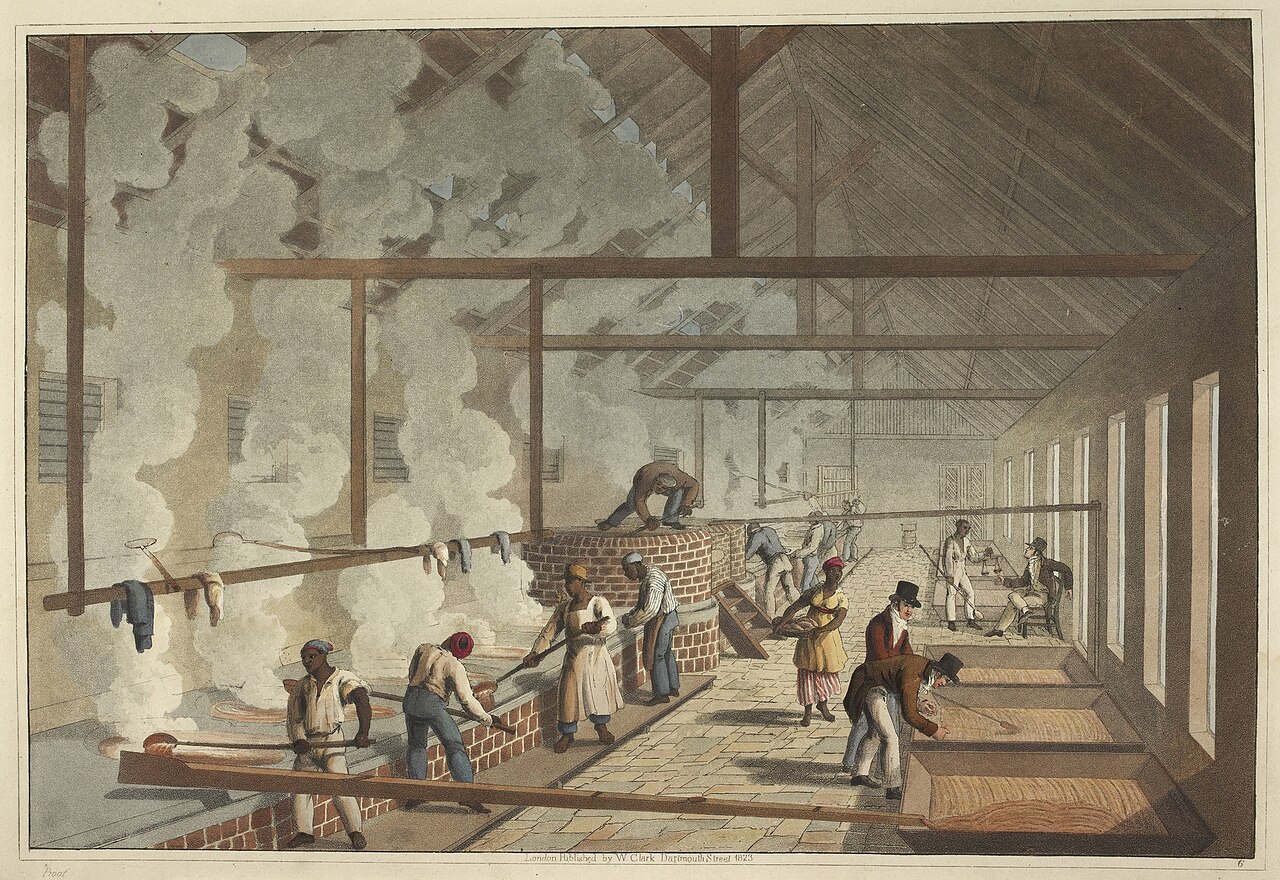
Antigua was long inhabited by Indigenous peoples, including groups broadly identified in historical records as the Ciboney, Taíno and Kalinago. European contact began after Christopher Columbus's voyage in 1493; he gave the island a name associated with St. Mary. English colonization began in the early 17th century and the island developed a plantation economy based mainly on sugar cane, which relied on enslaved Africans for labor. Enslaved people were emancipated in the 19th century, and the island's society and culture were profoundly shaped by African, European and Indigenous influences. Antigua, together with Barbuda, became an independent nation within the Commonwealth in 1981.
Economy and society
In the modern era Antigua's economy centers on services: visitor tourism, marine activities (including yachting events), international finance and online services such as e-gaming. The island also hosts higher education institutions, including medical schools that attract international students. Agriculture has a reduced role compared with the plantation era, though local food production and small-scale farming continue. Social life on Antigua is lively, with music, food and festivals reflecting a Caribbean blend of traditions.
Culture, transport and notable facts
Antiguan culture features Creole foods, calypso and other Caribbean musical forms, and annual events that draw visitors from the region and abroad. The island is a popular stop for cruise ships and private yachts; its main port and airport provide links to other Caribbean destinations and North America. Notable facts often cited about Antigua include its extensive beaches and historic colonial sites. Conservation efforts focus on protecting coral reefs, wetlands and endemic species while balancing the pressures of development and tourism.
Related links
- Antigua island overview
- Leeward Islands context
- Caribbean region
- Antigua and Barbuda (country)
- Coastline and circumference
- Distance and miles
- Area measurements
- Economic overview
- Tourism information
- Online services and gaming
- Education and medical schools
- Indigenous peoples
- Taíno heritage
- Christopher Columbus voyage
- European contact
- British colonial history
- Colonization and plantations
- African diaspora and slavery
- Barbuda and political union
Related articles
Author
AlegsaOnline.com Antigua: island overview, history, geography, economy and culture Leandro Alegsa
URL: https://en.alegsaonline.com/art/4649