
Anyang (Henan)
Anyang is a prefecture-level city in northern Henan, China, known for the Shang dynasty capital site Yin (Yinxu), oracle bone inscriptions, rich archaeological finds, and industrial-agricultural economy.
Overview
Anyang (安阳) is a prefecture-level city in northern Henan province of the People's Republic of China. It serves as a regional center combining urban industry, agricultural plains and culturally significant archaeological sites. The modern municipal area administers urban districts and surrounding counties, linking traditional crafts and heavy industry with contemporary services.
Image gallery
10 Images


History and archaeological importance
Anyang's most famous legacy is Yinxu, the late Shang dynasty capital located just outside the modern city. Excavations there uncovered palace remains, bronze vessels and thousands of oracle bone inscriptions—among the earliest surviving Chinese writing. These discoveries transformed understanding of early Chinese statecraft, ritual and script development, and Yinxu is recognized as a UNESCO World Heritage site.
Geography and climate
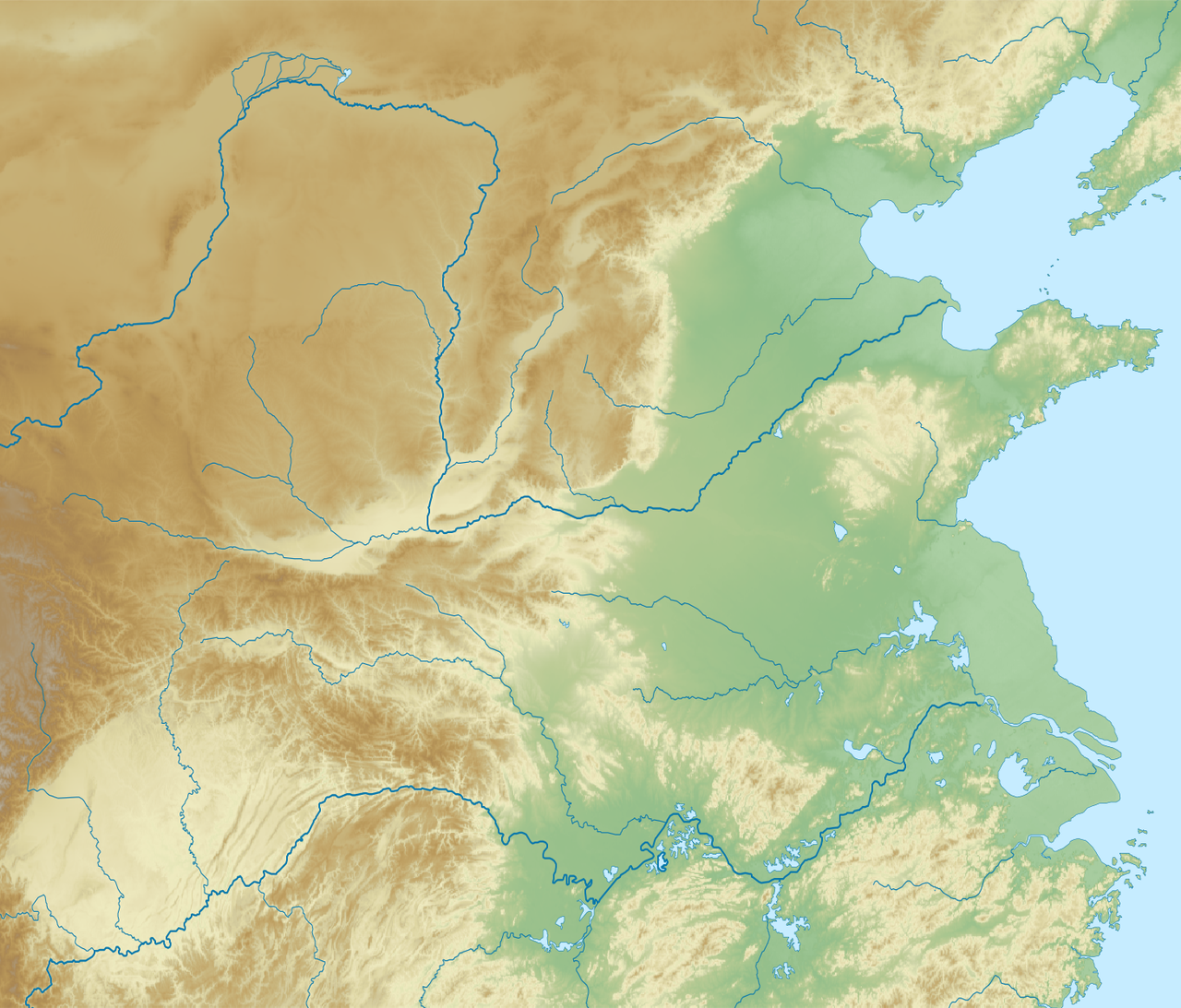
Situated on the northern edge of the North China Plain, Anyang's landscape mixes flat farmland with low hills. The region experiences a temperate continental monsoon climate: cold, dry winters and hot, humid summers with most rainfall concentrated in summer months. Rivers and irrigation support cereal crops and cash crops in surrounding counties.
Economy and transport
Anyang's economy blends agriculture, mining and manufacturing. Traditional agriculture remains important, while metallurgy, machinery, textiles and building materials are notable industrial sectors. The city is served by major railways and highways connecting it to provincial capitals and neighboring provinces, facilitating freight and passenger travel.
Culture, landmarks and notable projects
Besides Yinxu, cultural points of interest include museums displaying oracle bones and bronzes, historic temples, and regional performing arts. The Red Flag Canal, an ambitious irrigation project completed in the 1960s in the prefecture, is often cited as a symbol of local engineering and rural mobilization. Visitors also encounter local handicrafts and seasonal festivals tied to agricultural cycles.
Administration and contemporary importance
Administratively Anyang governs several districts and counties and supports educational institutions, cultural research centers and archaeological conservation. Its combination of deep historical significance and modern industry makes it an important node for studies of early Chinese civilization as well as a functioning regional economy.
- Main archaeological site: Yinxu (Shang capital)
- Notable infrastructure: regional rail links and highways
- Representative projects: Red Flag Canal and archaeological museums
Related articles
Author
AlegsaOnline.com Anyang (Henan) Leandro Alegsa
URL: https://en.alegsaonline.com/art/4814