
Antigua and Barbuda: an overview of the Caribbean island state
Antigua and Barbuda is a small Eastern Caribbean country of two main islands, known for tourism, British colonial history, tropical climate, and a parliamentary constitutional monarchy with St. John's as its capital.
Antigua and Barbuda is a sovereign state in the eastern Caribbean Sea, lying close to the boundary with the Atlantic Ocean. The country’s territory centers on two inhabited islands, Antigua and Barbuda, which are part of the Lesser Antilles archipelago. The capital and largest urban area is St. John’s, located on Antigua. Population counts have been modest: about 81,800 people were recorded in 2011.
Image gallery
10 Images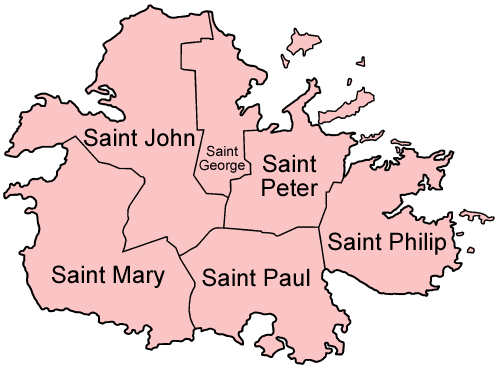


Geography and environment
The islands sit between the Caribbean Sea and the Atlantic Ocean, featuring limestone and volcanic terrain, many bays and beaches, and scattered smaller islets. The climate is tropical maritime, with relatively stable temperatures year-round and a wet season. Like other eastern Caribbean states, Antigua and Barbuda is vulnerable to hurricanes, coastal erosion and marine ecosystem pressures.
History and society
Indigenous peoples such as the Taíno and Kalinago lived in the area before European contact. European colonization brought plantation agriculture, a transatlantic slave trade that shaped the islands’ demography, and centuries under British rule. The territory was once part of the British Empire and later joined the Commonwealth; it gained full independence in the late 20th century. English is the official language and Afro-Caribbean culture strongly influences music, cuisine and public life.
Government and economy
Antigua and Barbuda is a parliamentary democracy and constitutional monarchy with institutions modeled on the Westminster system. The economy is dominated by tourism and related services, including hotels, yachting and cruise ship calls, supplemented by financial services, construction and small-scale agriculture. Conservation of reefs and coastal habitats is important for sustaining tourism and fisheries.
Culture, travel and notable facts
- St. John’s is the commercial and administrative hub and home to historic sites, markets and harbors.
- Carnival, cricket and other cultural expressions reflect the islands’ Caribbean identity.
- Barbuda is known for its extensive birdlife and nesting colonies, while Antigua offers many well-known beaches.
Visitors often combine beach recreation, sailing and heritage tourism; scholars and planners focus on resilience to storms, marine protection and sustainable development. For further reading and official information, consult government and regional resources linked below.
Caribbean Sea information | Atlantic Ocean context | Antigua | Barbuda | Lesser Antilles | archipelago overview | St. John's | British Empire history
Questions and answers
Q: Where is Antigua and Barbuda located?
A: Antigua and Barbuda is located in the eastern Caribbean Sea on the boundary with the Atlantic Ocean.
Q: What is the population of Antigua and Barbuda?
A: The population of Antigua and Barbuda was approximately 81,800 people in 2011.
Q: What is the capital city of Antigua and Barbuda?
A: The capital city of Antigua and Barbuda is St. John's, which is located on Antigua.
Q: What archipelago is Antigua and Barbuda a part of?
A: Antigua and Barbuda is part of the Lesser Antilles archipelago.
Q: Did Antigua and Barbuda used to be a part of the British Empire?
A: Yes, Antigua and Barbuda used to be a part of the British Empire.
Q: Does Antigua and Barbuda still belong to the British Commonwealth?
A: Yes, Antigua and Barbuda still belongs to the British Commonwealth.
Q: Who were the original inhabitants of Antigua and Barbuda?
A: The original inhabitants of Antigua and Barbuda were indigenous peoples called the Taino and the Kalinago.
Related articles
Author
AlegsaOnline.com Antigua and Barbuda: an overview of the Caribbean island state Leandro Alegsa
URL: https://en.alegsaonline.com/art/4648
Sources
- antiguaobserver.com : "Sir Rodney sworn in as new Governor General"
- imf.org : "Antigua and Barbuda"