
Arawak peoples: history, languages, and surviving communities
Indigenous peoples of northern South America and the Caribbean, their Arawakan languages, cultural traits, effects of European contact, and modern descendants and revitalization efforts.
The Arawak designation applies to a broad set of indigenous peoples historically found across coastal and riverine zones of northern South America and across many islands of the Caribbean. The term is used in both ethnographic and linguistic senses: it identifies related groups who shared cultural patterns and belonged to the large Arawakan language family. For a modern geographic reference see northern South America.
Image gallery
4 Images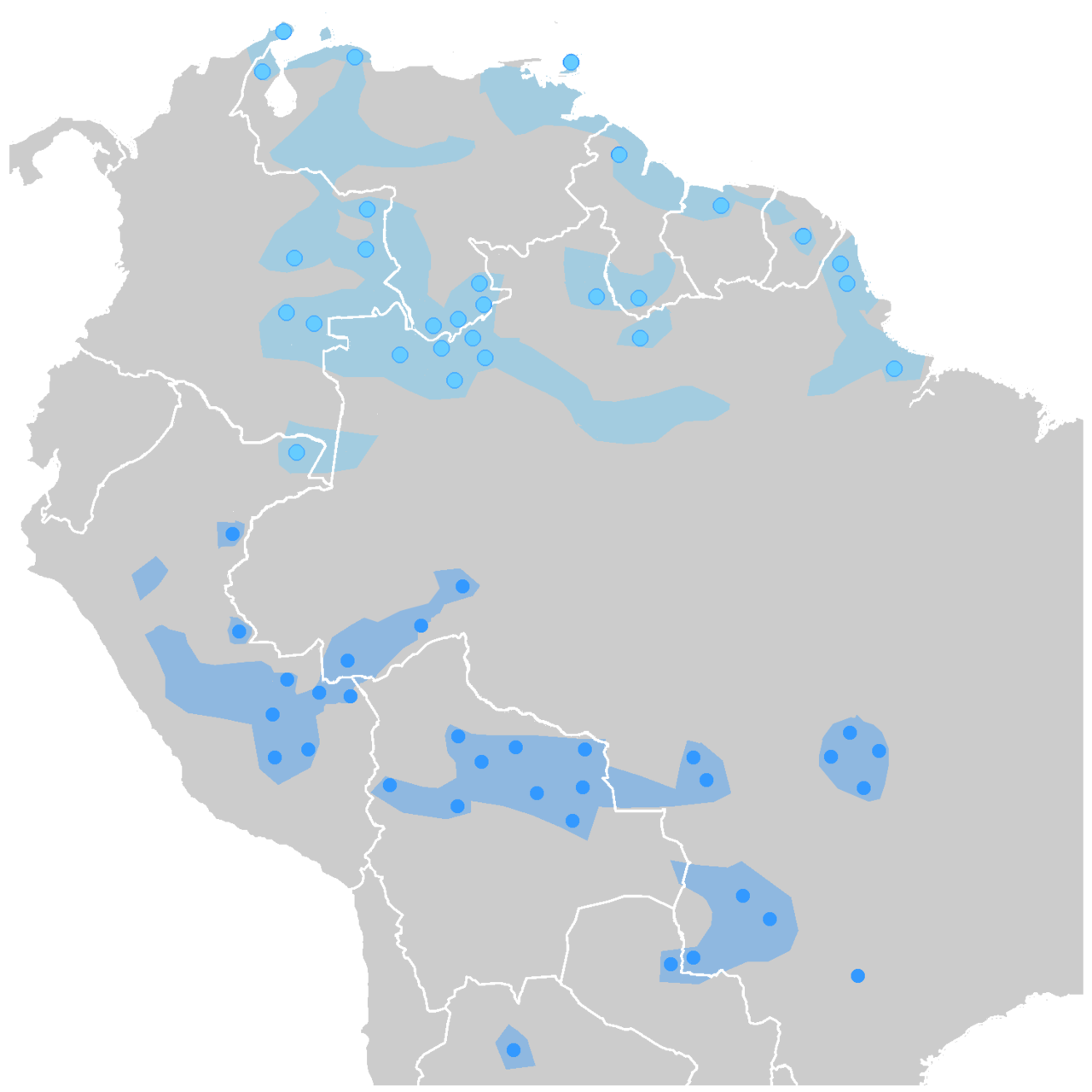


Pre-contact distribution and environment
Arawak-speaking communities occupied a wide range of tropical lowland environments, from mangrove coasts and river deltas to inland forested areas. Their settlements often clustered along waterways that served as transportation routes. Archaeological and historical evidence indicates long-term horticulture, fishing and foraging strategies adapted to these environments.
Economy, craft and material culture
Arawak peoples cultivated root crops such as cassava (manioc), various tubers and garden crops including maize and sweet potato, using swidden (shifting) and riverine garden systems suited to humid soils. They fished with nets and hooks, used dugout canoes for travel and trade, and made distinctive pottery, woven goods and carved objects. Ceramic styles, weaving techniques and garden practices reveal regional variation as well as shared traditions across Arawakan-speaking groups.
Social organization and belief
Social life was often organized at the village level, with kinship networks forming the basis of residence, labor and ritual responsibilities. Leadership structures varied by community and could include chiefs, ritual specialists and councils. Spiritual life included ancestor veneration, shamanic practices and complex ritual calendars in many groups; oral traditions and symbolic arts preserved cosmologies and social memory.
Language family and modern vitality
The Arawakan (Arawakian) language family is one of the most widespread indigenous language families of South America and the Caribbean. It includes languages with very different fortunes: for example, Wayuu (Guajiro) in Colombia and Venezuela remains vibrant with tens of thousands of speakers, while other Arawakan languages survive only in small communities or are critically endangered. Groups such as the Lokono (often referred to as Arawak) maintain distinct linguistic and cultural identities, and Afro-Indigenous communities like the Garifuna speak Arawakan-derived languages with additional influences.
Contact, demographic change and continuity
Beginning in the late 15th century, contact with European colonizers brought rapid and profound changes. Introduced diseases, forced labor, warfare, displacement and colonial economic systems reduced populations and disrupted traditional lifeways. Island populations in particular experienced severe declines in the first centuries after contact, and many historical accounts describe communities that were devastated or displaced. At the same time, on the mainland a number of Arawakan groups persisted, adapted, fused with other groups, or continued in rural and forested regions.
Notable groups and regional differences
- Taíno — A group of Arawakan speakers in the Greater Antilles whose societies played a central role in pre-Columbian Caribbean history; they were heavily affected by early European contact and many island communities were radically transformed.
- Wayuu (Guajiro) — an Arawakan-speaking people in northern Colombia and Venezuela with a strong contemporary cultural and linguistic presence.
- Lokono — mainland Guianan communities often referred to by the exonym Arawak; they figure prominently in regional histories.
- Garifuna — an Afro-Indigenous community along parts of the Caribbean coast whose language and culture show Arawakan, Cariban and African elements.
Modern communities, rights and revitalization
Today, Arawakan descendants live across national borders and in diverse political contexts. Some communities have organized for land rights, cultural recognition and language maintenance. Linguistic documentation projects, community-driven teaching programs and broader cultural revival efforts have sought to preserve and reintroduce traditional practices, songs and place names. Scholarship and community initiatives also reconsider narratives of total extinction, emphasizing continuity, admixture and resilience in many mainland and island contexts.
Research, heritage and public memory
Research on Arawak peoples draws on archaeology, linguistics, ethnohistory and community knowledge to reconstruct past lifeways and document living traditions. Genetic, archaeological and anthropological work has clarified aspects of migration and contact but also raises complex ethical questions about representation and ownership of heritage. Public memory of Arawak peoples is visible in museum collections, local place names and cultural festivals, and contemporary movements for indigenous rights connect those pasts to present claims for recognition.
For historical and contemporary contexts see studies of early European colonization, regional ethnographies and accounts of indigenous communities in countries such as Guyana and Suriname. Island histories document changes on places like Haiti while language resources and revitalization projects provide pathways for cultural continuity.
Questions and answers
Q: Who were the Arawak people?
A: The Arawak were a group of people who lived in the northern part of South America and the Caribbean.
Q: What happened to the Arawak people?
A: After the colonization of South America, the Arawak people became extinct within a period of about a century to a century and a half.
Q: Are there any Arawak people left today?
A: There are only very few people who call themselves Arawak remaining today.
Q: What are the Arawakian languages?
A: The Arawakian languages are a group of languages that show what influence the Arawak people probably once had.
Q: How many speakers of Arawakian languages are left today?
A: There are about 2000 speakers left, 1500 in Guyana and 700 in Suriname.
Q: How many Native American allies were on Haiti in 1515?
A: In 1515, there were about 50,000 Native American allies (to the Spanish) on Haiti from an original estimate of 250,000.
Q: How many Arawak people were left in Haiti in 1650?
A: In 1650, there were none left.
Related articles
Author
AlegsaOnline.com Arawak peoples: history, languages, and surviving communities Leandro Alegsa
URL: https://en.alegsaonline.com/art/5209