
Ibn Battuta: Medieval Moroccan Traveler and Author of the Rihla
Ibn Battuta (1304–1368/69) was a Moroccan legal scholar and traveler whose multi-decade journeys across Africa, Asia and Europe produced the Rihla, a key medieval travel account.
Overview
Ibn Battuta (born 1304) was a Moroccan scholar and traveller whose account of his journeys, commonly known as the Rihla ("The Voyage"), is one of the richest primary sources for the geography and social life of the medieval Islamic world. Trained as a mufti and qadi in Tangier, he left home in his early twenties to perform the Hajj, beginning a period of travel that continued, with interruptions, for nearly thirty years.
Image gallery
10 Images





Origins and early life
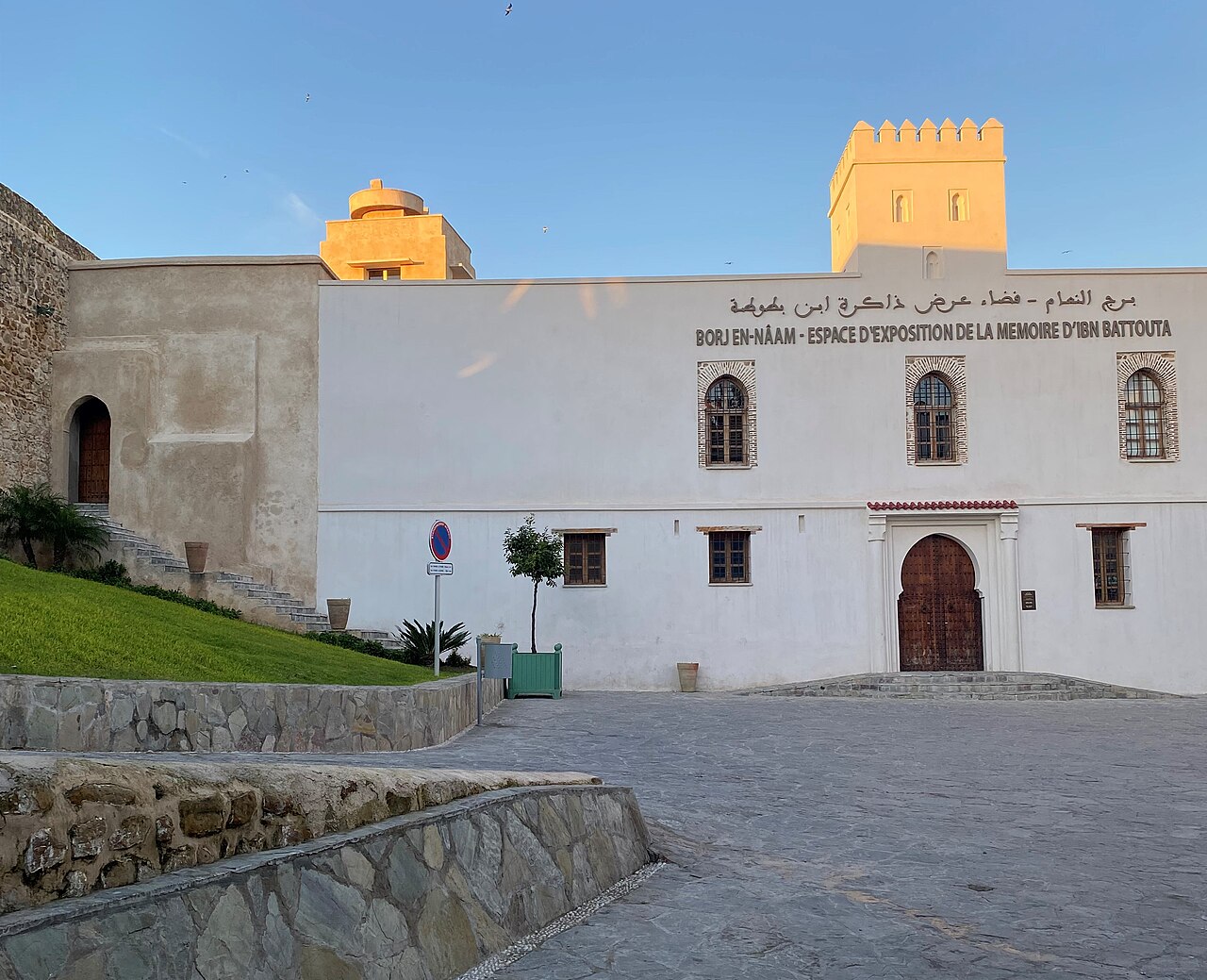
Ibn Battuta was born into a family of Islamic jurists in Tangier. His legal education and familiarity with Arabic and Islamic law helped him find employment, protection and hospitality in many regions he visited. His pilgrimage to Mecca was the conventional starting point for a Muslim traveller, but he extended that trip into a life of long voyages across lands connected by Islamic institutions and trade.
Scope and notable routes
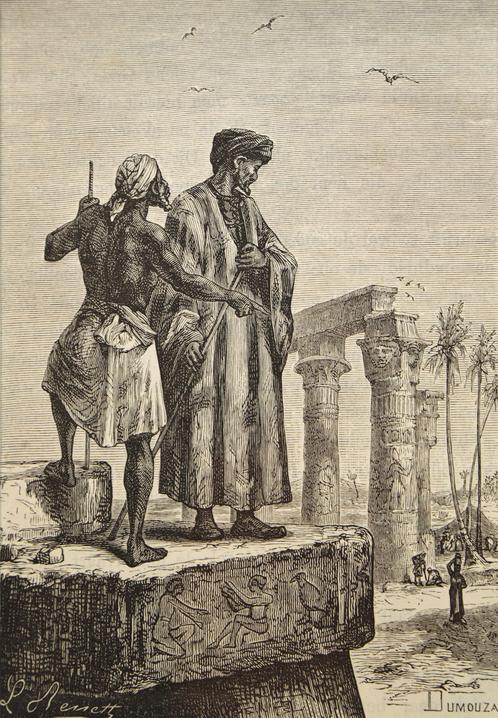
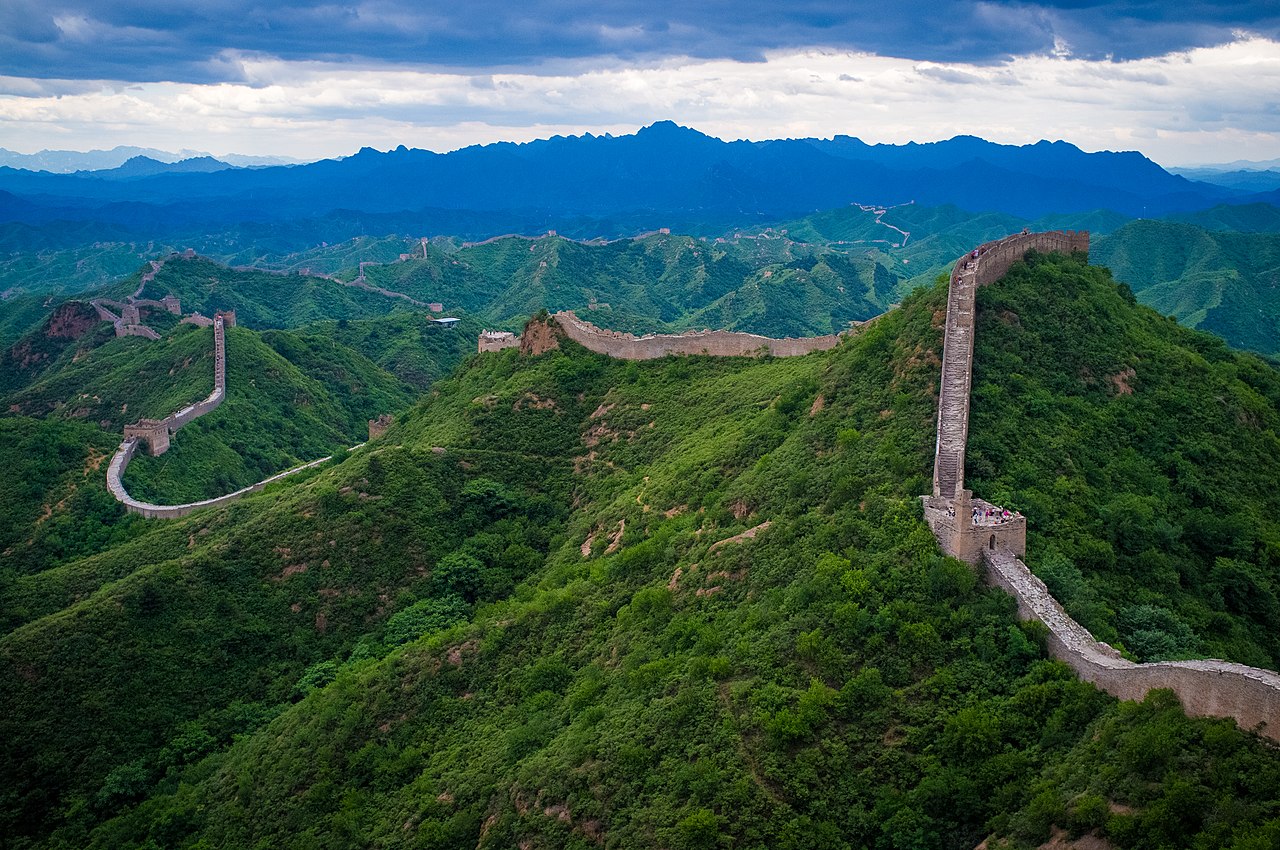
Over the course of his travels Ibn Battuta visited an extraordinary range of territories. Modern estimates place the total distance he covered among the largest known for a pre-modern traveler, and his itinerary is often compared to that of Marco Polo. His route included extensive travel through the Maghreb and North Africa and then into the Middle East. From there he crossed to East Africa, India and the Indian Ocean islands, and went on to Central and Central Asia, South Asia, Southeast Asia and China. He also ventured into parts of West Africa, southern Europe and eastern Europe, and he described major ports such as Alexandria.
Service, writings and the Rihla
During his wanderings Ibn Battuta occasionally took official positions—most famously serving for a time at the court of the Delhi sultan Muhammad bin Tughluq—and he made pilgrim, commercial and diplomatic journeys. After returning to Morocco he dictated his travel narrative to a scribe, producing the Rihla, a composite work combining personal observation, hearsay, legal and religious commentary, and descriptions of rulers, cities and customs. The Rihla survives in several manuscripts and has been a foundational source for historians of the medieval world.
Observations, themes and critical reception
As a trained jurist Ibn Battuta often framed his descriptions around law, ritual and social practice. He recorded details on markets, urban life, governance, religious institutions and everyday customs—including practices concerning slavery, gender and hospitality—sometimes reflecting the cultural biases and limits of his own perspective. Modern scholars value the Rihla as an indispensable eyewitness record but also treat some of its anecdotes cautiously: it mixes firsthand observation with reports that may be secondhand or embellished.
Legacy and significance
Today Ibn Battuta is remembered as one of history's most widely travelled pre-modern figures. His narrative broadened medieval Islamic knowledge of distant lands and has influenced later travellers, geographers and historians. Beyond literary and historical value, his accounts are used to study trade networks, legal exchange, and cultural connections across Afro-Eurasia in the fourteenth century. For introductions, maps and translated passages see modern editions and commentaries on the Rihla (Moroccan sources and international scholarship are available) and curated collections of medieval travel writing at academic portals and libraries (pilgrimage studies and travel literature), while general overviews can be consulted through regional histories and online resources for Hajj and medieval travel.
- Moroccan background and legal training
- Journeys through Maghreb, Alexandria and the Middle East
- Extended stays in South Asia and service under Muhammad bin Tughluq
- Travels to Central Asia, China and Southeast Asia
- Visits and reports on West Africa, southern Europe and eastern Europe
The surviving Rihla remains a lively, sometimes surprising window on the medieval world. Readers should appreciate its vivid detail while recognizing that, like many travel accounts, it reflects the author's purposes, audience and the storytelling conventions of his time.
Related articles
Author
AlegsaOnline.com Ibn Battuta: Medieval Moroccan Traveler and Author of the Rihla Leandro Alegsa
URL: https://en.alegsaonline.com/art/46376
Sources
- commons.wikimedia.org : Ibn Battuta
- wikidata.org : wikidata.org/wiki/Q7331
- catalogo.bne.es : XX1076718
- catalogue.bnf.fr : cb11908143b
- data.bnf.fr : (data)
- cantic.bnc.cat : a1010236x
- ci.nii.ac.jp : DA00926468
- d-nb.info : 118639765
- isni.org : 0000 0001 2143 2476
- id.loc.gov : n50082288
- id.ndl.go.jp : 00444181
- aleph.nkp.cz : jn20011210248
- nla.gov.au : 35217547
- data.nlg.gr : 114857
- uli.nli.org.il : 001787052