
Ibrahim Ismail Chundrigar
Pakistani politician and lawyer who served a brief term as Prime Minister in 1957 and left a lasting legacy in Karachi's political history.
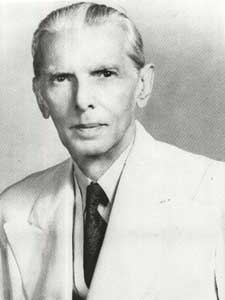
Ibrahim Ismail Chundrigar (April 15, 1898 – March 13, 1968), often cited as I. I. Chundrigar, was a Pakistani lawyer and politician best known for a short tenure as Prime Minister of Pakistan in 1957. His administration lasted from October to December of that year and is remembered as an example of the frequent turnover in Pakistan's early parliamentary politics.
Image gallery
2 Images
Early life and political career
Chundrigar trained as a lawyer and emerged as a prominent figure in Sindh and national politics during the late colonial and early post‑Independence periods. He was active in the Muslim League and took part in political debates that shaped Pakistan's early governing arrangements. Over his career he served in various legislative bodies and in ministerial roles, earning a reputation as an experienced parliamentarian.
Premiership and political context
Appointed prime minister in October 1957, Chundrigar led a coalition government during a time of factionalism and shifting alliances. His government lasted only a matter of weeks, reflecting the instability of federal politics in Pakistan during the 1950s and the difficulties successive leaders faced in building durable majorities. His appointment and resignation illustrate how presidential influence, party divisions, and regional interests frequently shaped leadership changes.
Legacy and recognition
Although his time in office was brief, Chundrigar's name endures in Pakistan's urban geography: one of Karachi's principal business streets is named Chundrigar Road in his honor. He is remembered as a seasoned lawyer-statesman whose career spanned a formative era in Pakistan's history.
Notable facts
- Often referenced as I. I. Chundrigar in historical accounts.
- Served as Prime Minister from October 17 to December 16, 1957.
- Associated with the Muslim League and early national governments.
- Chundrigar Road in Karachi commemorates his contribution to public life.
For concise reference on his brief administration and role in mid‑20th century Pakistani politics, see further reading.
Related articles
Author
AlegsaOnline.com Ibrahim Ismail Chundrigar Leandro Alegsa
URL: https://en.alegsaonline.com/art/46386