
Hydrogen peroxide (H2O2): properties, uses, and safety
A concise overview of hydrogen peroxide, covering its chemistry, common uses, production, and safety precautions for household and industrial concentrations.
Hydrogen peroxide (H2O2) is a simple chemical compound composed of two hydrogen and two oxygen atoms. It is a colorless liquid in pure form and is notable for its tendency to decompose into water and oxygen. Because of that decomposition and its oxidizing ability, hydrogen peroxide is widely used as a disinfectant, a bleaching agent, and a reagent in chemical synthesis. It exists commercially in a range of concentrations: low concentrations for household use and much higher concentrations for industrial and laboratory applications.
Image gallery
10 Images
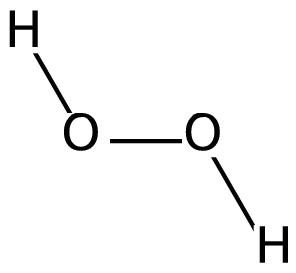


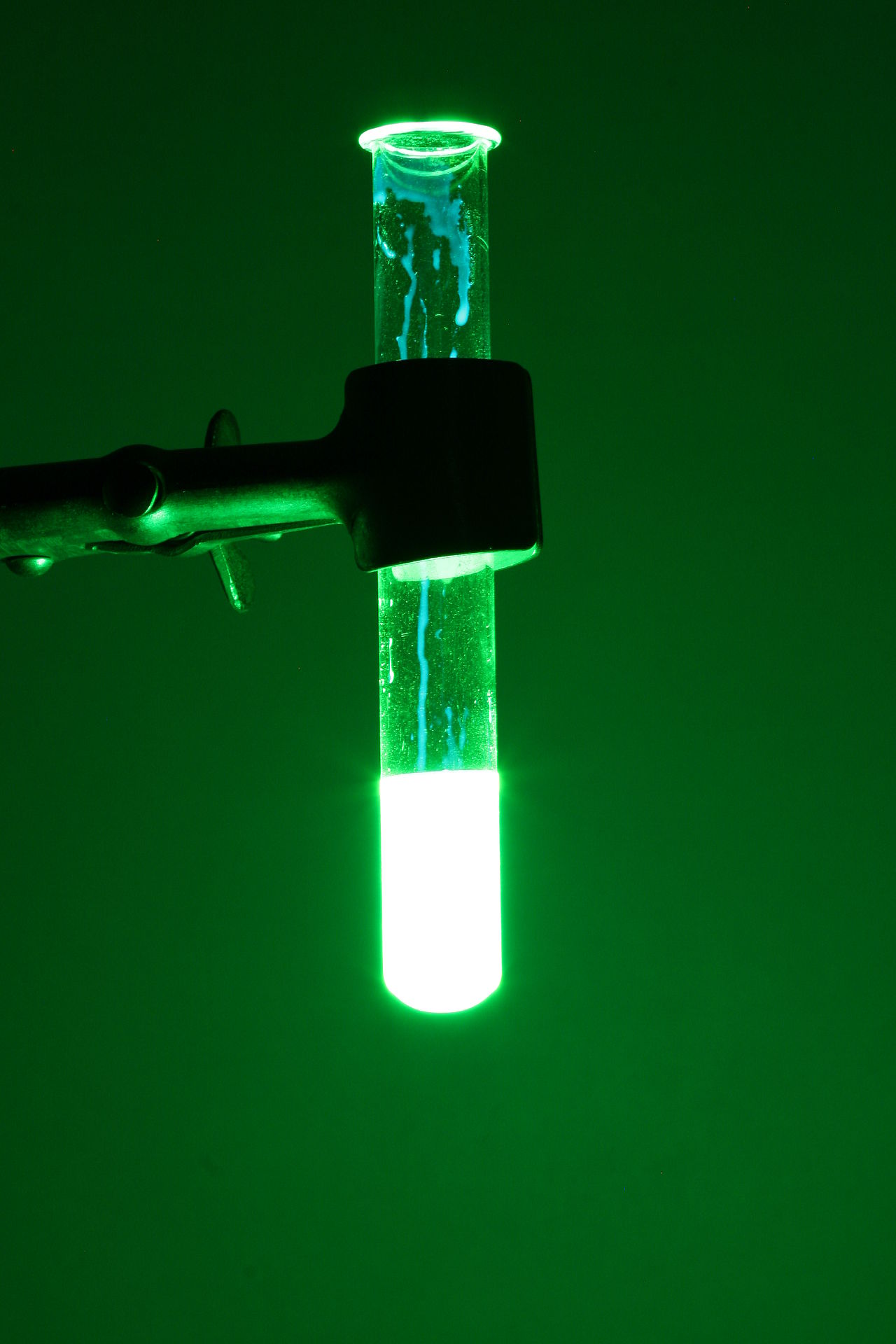



Chemical characteristics
At the molecular level, H2O2 is more reactive than water. It readily donates or accepts electrons, which allows it to act either as an oxidizing agent or, in some reactions, as a reducing agent. Its decomposition is exothermic and can be accelerated by heat, light, or metal ions; the overall decomposition is:
2 H2O2 → 2 H2O + O2 (gas)
In acidic media H2O2 oxidizes many metal ions, for example:
2 Fe2+ (aq) + H2O2 + 2 H+ (aq) → 2 Fe3+ (aq) + 2 H2O (l)
H2O2 can also behave as a reducing agent in reactions that produce oxygen, such as its reaction with hypochlorite:
NaOCl + H2O2 → O2 + NaCl + H2O
Production and history
Hydrogen peroxide was first recognized in the early 19th century and later manufactured on larger scales as demand for bleaching and disinfecting agents grew. Modern production is typically based on processes that couple organic intermediates or use anthraquinone cycling in large plants, producing concentrated solutions that are then diluted for various markets. Research continues into greener production routes and more stable formulations.
Common uses
- Household disinfectant and wound cleaning: dilute (commonly low single-digit percent) solutions are sold for first aid and surface cleaning.
- Bleaching: used for hair, textiles, and paper pulp bleaching due to its oxygen-releasing action.
- Laboratory reagent: employed as an oxidant or reductant in organic and inorganic chemistry and as a source of oxygen in some experiments.
- Industrial processes: used in wastewater treatment, electronics cleaning, and as an intermediate in chemical manufacture.
- Specialized applications: concentrated peroxide can be used in certain propulsion or sterilization systems, where careful handling and catalysis control decomposition.
Safety, storage, and handling
Concentration matters: dilute solutions (for example, typical household strengths) are much less hazardous than highly concentrated grades used in industry or laboratories. Even dilute hydrogen peroxide can irritate skin and eyes, while concentrated solutions can cause severe burns and are both a fire and explosion risk if contaminated by organics. It should be stored in opaque containers away from heat and light and kept away from combustible materials and incompatible catalysts (such as transition metal salts). Decomposition can be catalyzed by trace impurities, so stabilizers are often added to commercial preparations.
Further reading and references
For technical data, safety sheets, and detailed reaction information consult reputable chemical suppliers and safety resources. Example resources include product information and safety documents available from industrial suppliers and public safety organizations: technical overview, medical guidance, decomposition and oxygen release, water and oxygen products, chemical reference, laboratory uses, oxidation and reduction behavior, electron transfer concepts, iron oxidation example, oxygen generation methods, concentration effects, hazard and first aid.
When using or storing hydrogen peroxide, follow local regulations and safety data sheets appropriate to the concentration and application, and seek professional advice for industrial or laboratory-scale use.
Related articles
Author
AlegsaOnline.com Hydrogen peroxide (H2O2): properties, uses, and safety Leandro Alegsa
URL: https://en.alegsaonline.com/art/46103