
Hydrogen sulfide (H2S): properties, occurrence, uses and hazards
Hydrogen sulfide (H2S) is a colorless, flammable, toxic gas with a distinctive rotten-egg odor. This article explains its properties, natural formation, biological roles, industrial uses and safety concerns.
Overview
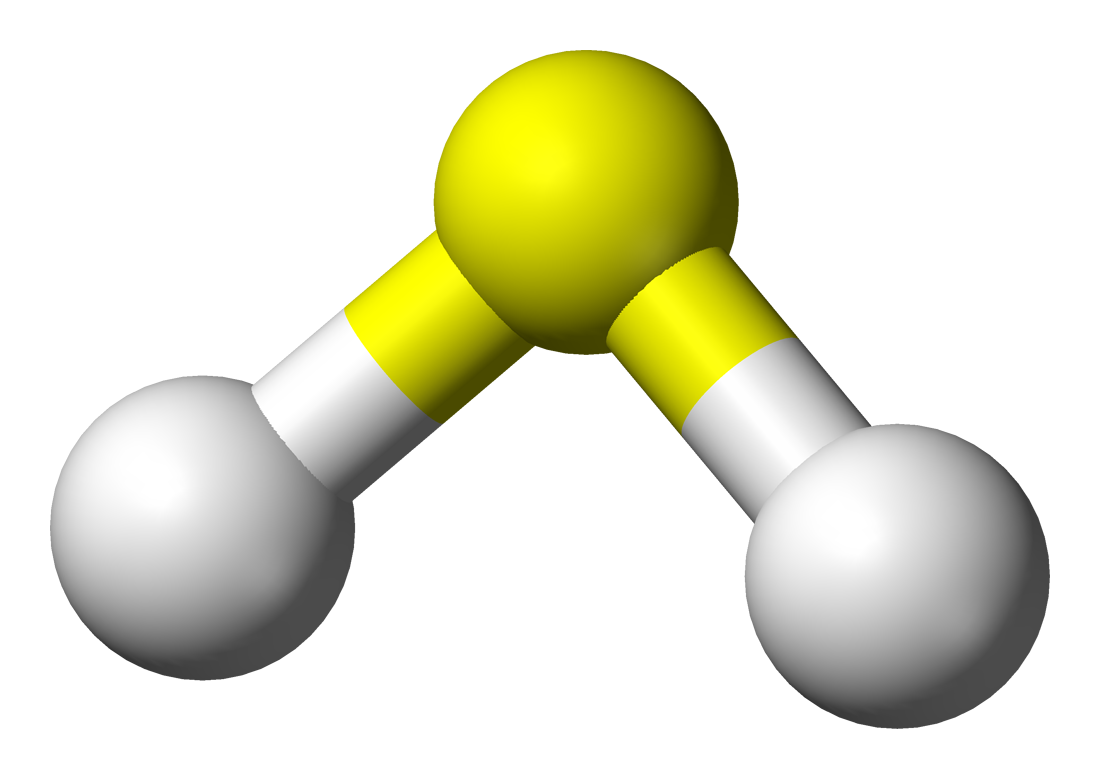
Hydrogen sulfide is a simple inorganic compound whose molecular formula is H₂S. It is a colorless gas at room temperature, often recognized by the characteristic smell associated with rotten eggs and some forms of flatulence. Common alternative names include sulfane, sulfur hydride, sour gas and sewer gas; authoritative bodies accept "hydrogen sulfide" and "sulfane" as standard names.
Image gallery
10 Images






Physical and chemical characteristics
Hydrogen sulfide is a small, polar molecule that behaves as a weak acid in water. Key practical properties include:
- Appearance: colorless gas under normal conditions.
- Odor: detectable at low concentrations by smell, though prolonged exposure can numb the sense of smell.
- Flammability: the gas is flammable and can form explosive mixtures with air.
- Chemical behavior: it reacts with many metal ions to form metal sulfides and acts as a reductant in chemical reactions.
For shorthand references and chemical context see chemical compound and elemental notation such as H and S.
Natural occurrence and formation
Hydrogen sulfide forms naturally where organic matter decomposes without oxygen. Microbes that lack oxygen produce the gas through anaerobic processes common in wetlands and waste systems. Typical environments include swamps, sewers and systems undergoing anaerobic digestion. Geological sources include emissions from volcanic vents and some groundwater or petroleum deposits; it is also present in certain streams of natural gas. Bacterial activity is a major biological source and much of the odor encountered by people results from microbial breakdown of organic sulfur compounds (bacteria acting where oxygen is scarce).
Biological role and health effects
Although hydrogen sulfide is toxic at elevated concentrations, it also occurs in living organisms at low concentrations where it functions as a signaling molecule in some animals and plants. In humans and other mammals, H2S is produced enzymatically and participates in vascular and neural signaling pathways under controlled conditions. However, as an environmental contaminant it poses health hazards: inhalation can impair respiration, and high exposures may be rapidly life-threatening. A notable safety issue is that intense exposure can deaden the sense of smell, so odor should never be relied on as a warning alone.
Industrial uses, detection and safety
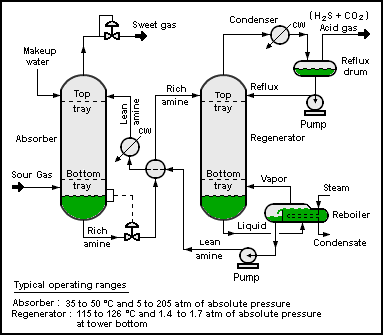
In industry, hydrogen sulfide appears in natural gas and crude oil processing and is handled as a byproduct or contaminant in refining, petrochemical and wastewater operations. Laboratories use H2S for qualitative tests (for example, to precipitate metal sulfides) and it is involved in producing certain sulfur-containing chemicals. Because of its toxicity and flammability, workplaces use engineered controls, monitoring and personal protective equipment to manage risk:
- Continuous gas detection and alarm systems rather than relying on smell.
- Ventilation, gas scrubbing and safe handling procedures where gas releases are possible.
- Respiratory protection and rescue plans for confined-space entry, especially in sewers and digesters.
For additional introductory reading and reference material consult standard chemical and occupational safety sources such as national guidance documents and chemical databases (British English terminology, volcanic emissions, natural gas contexts). Historical and technical overviews often discuss elemental sulfur in relation to H2S and why people sometimes conflate the two despite sulfur itself being odorless.
Notable distinctions and facts
Hydrogen sulfide is sometimes confused with elemental sulfur because both are associated with the color and fouling seen near some vents and decay sites, but sulfur does not carry the characteristic odor; the smell is due specifically to hydrogen sulfide and related organic sulfur compounds. The term "sour gas" is used commercially to describe natural gas streams that contain H2S, and removal of hydrogen sulfide is a routine part of fuel and water treatment to protect people and equipment. When studying or working with H2S, treat it as both an acute hazard and a chemical of ongoing environmental concern.
Useful practical reminders: do not rely on smell for detection, respect ventilation and monitoring requirements, and consult appropriate industrial hygiene guidance before entering environments where H2S may be present. For related topics see sources on wetland emissions, wastewater systems, anaerobic processes (anaerobic digestion), and metallurgical or laboratory techniques involving sulfide chemistry.
Questions and answers
Q: What is hydrogen sulfide?
A: Hydrogen sulfide is a colorless, toxic, flammable gas with the chemical formula H2S.
Q: What are some of the sources of hydrogen sulfide?
A: Sources of hydrogen sulfide include swamps, sewers, volcanic gases, natural gas and some well waters.
Q: What does hydrogen sulfide smell like?
A: Hydrogen sulfide has a foul smell similar to that of rotten eggs or flatulence.
Q: Does sulfur itself have an odor?
A: No, sulfur itself does not have an odor. The smell people often associate with sulfur is actually from hydrogen sulfide.
Q: What other names is hydrogen sulfide known by?
A: Other names for hydrogen sulfide include "sulfane", "sulfur hydride", "sour gas", "sulfurated hydrogen", "hydrosulfuric acid", "sewer gas" and "stink damp".
Q: How does it form when there is no oxygen present?
A: When there is no oxygen present, bacteria break down organic matter which can result in the formation of hydrogen sulfide.
Q: Is IUPAC's name for this compound accepted universally?
A Yes, IUPAC's names for this compound - “hydrogen sulphate” and “sulphane” - are accepted universally.
Related articles
Author
AlegsaOnline.com Hydrogen sulfide (H2S): properties, occurrence, uses and hazards Leandro Alegsa
URL: https://en.alegsaonline.com/art/46106
Sources
- pubchem.ncbi.nlm.nih.gov : "Hydrogen Sulfide - PubChem Public Chemical Database"
- ixsnp.sonetpremier.com : "Southern Natural Gas Company Tariff, General Terms and Conditions Section 3.1(b)"