
Hurricane Hazel (1954) — catastrophic storm in the Caribbean, United States, and Canada
Powerful October 1954 Atlantic hurricane that devastated Haiti, struck the U.S. Carolinas as a Category 4, and caused catastrophic inland flooding in Ontario; prompted long-term changes to flood management.
Overview
Hurricane Hazel was one of the most destructive Atlantic storms of the mid-20th century. Forming in October 1954, Hazel moved west across the Caribbean and produced intense winds, storm surge, and heavy rain in several countries. The storm caused severe loss of life and wide-ranging damage, and it prompted lasting changes to floodplain management and emergency planning. For contemporary summaries and analyses see further reading.
Image gallery
10 Images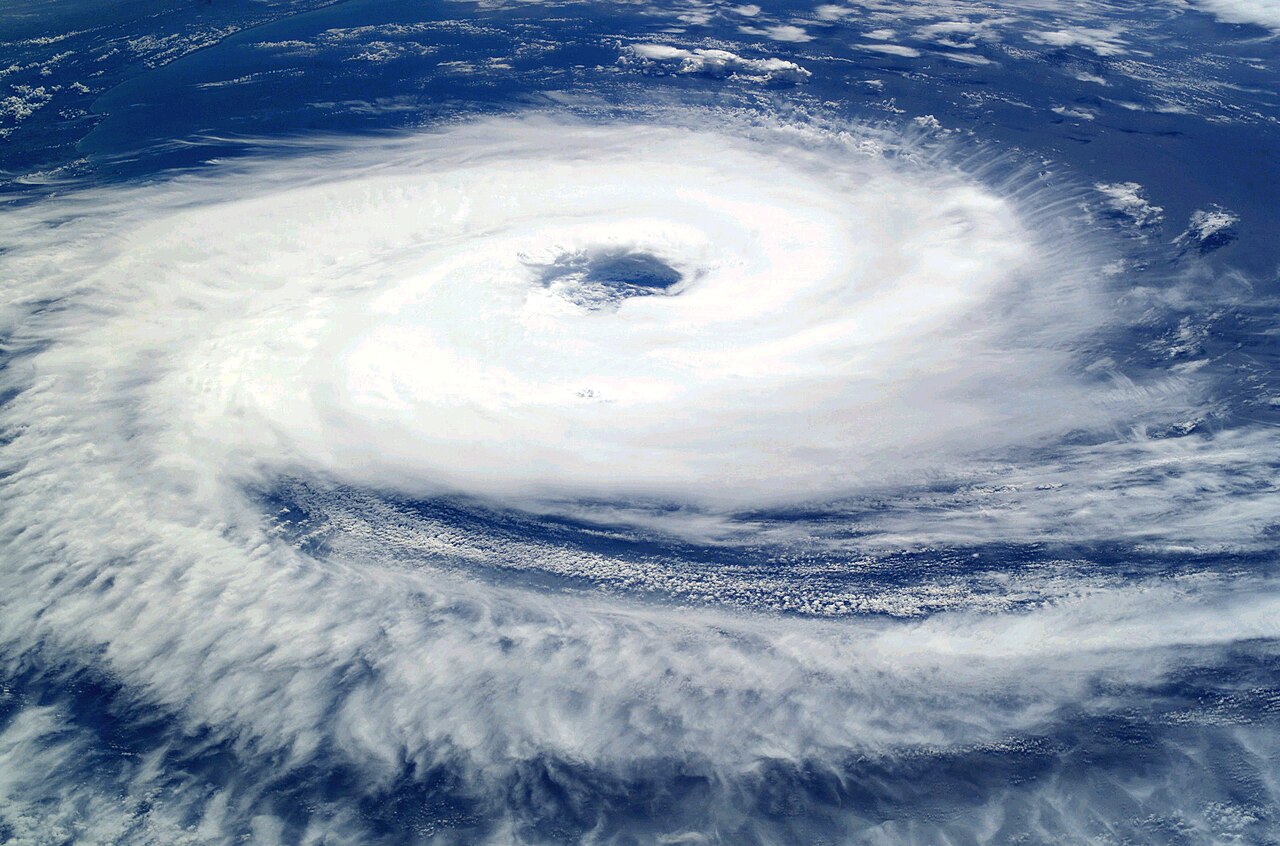


Formation and track
Hazel developed in early October and moved west-northwest across the eastern Caribbean before sweeping over parts of Hispaniola. After causing extreme destruction in Haiti, it continued toward the southeastern United States, making landfall just south of Wilmington as a powerful hurricane. Some records and archival references use numeric identifiers; for example see item 3351 in certain collections.
Meteorological characteristics
Hazel underwent rapid intensification before reaching the United States and displayed a compact but intense wind field. It made landfall as a high-end hurricane (Category 4 on the Saffir-Simpson scale). After moving inland, interaction with a mid-latitude trough and frontal zone contributed to its unusually fast forward motion and enabled it to maintain very strong winds well inland, producing destructive gusts and flash floods far from the coast.
Human toll and regional impacts
The storm caused fatalities and damage across multiple countries:
- Haiti: Hazel produced catastrophic damage and a heavy death toll; estimates of lives lost in Haiti reached as many as 1,000. Relief and reconstruction work followed in the storm’s aftermath; see contemporary accounts here.
- United States: Hazel made landfall near Wilmington and struck the U.S. coast just south of the city as a Category 4 hurricane. It produced coastal destruction, storm surge, and inland wind and flood damage across North Carolina, where 19 deaths were recorded.
- Canada: After crossing the United States, the storm merged with a cold front and caused catastrophic flooding in southern Ontario. The Toronto region and surrounding communities experienced severe river flooding and infrastructure losses; the event claimed dozens of lives in the province, including 81 fatalities in and around Toronto and elsewhere in Ontario.
Aftermath and legacy
Hazel exposed vulnerabilities in flood control, land-use planning, and emergency response. In Ontario and elsewhere, authorities implemented stricter controls on development in floodplains, acquired vulnerable lands for parks and flood storage, and strengthened river management. The storm remains an important case study in how a tropical cyclone can produce catastrophic inland effects and in shaping modern policy on floodplain zoning and conservation.
Notable facts
Hazel is often cited for the distance inland that it retained dangerous winds and for its multi-national human toll. Its combination of intensity, rapid forward motion, and interaction with mid-latitude weather systems contributed to impacts well beyond the immediate coast, making it a landmark event in North American hurricane history.
Related articles
Author
AlegsaOnline.com Hurricane Hazel (1954) — catastrophic storm in the Caribbean, United States, and Canada Leandro Alegsa
URL: https://en.alegsaonline.com/art/45902