
Indigenous Protected Area (Australia)
Indigenous Protected Areas (IPAs) are lands or seas owned and managed by Indigenous Australians under agreements with the Australian Government to conserve biodiversity and cultural values.
Overview
An Indigenous Protected Area (IPA) is land or sea country owned by Aboriginal and Torres Strait Islander peoples that the traditional owners have agreed to manage for conservation and cultural purposes. IPAs form part of Australia’s broader network of protected areas and bring together customary knowledge and contemporary land‑management approaches to sustain native species, cultural sites and ecological processes. Participation is voluntary and led by community priorities; legal ownership and decision‑making remain with the Indigenous owners. Indigenous peoples of Australia often administer IPAs through local organisations and ranger teams in partnership with the Australian Government.
Image gallery
2 Images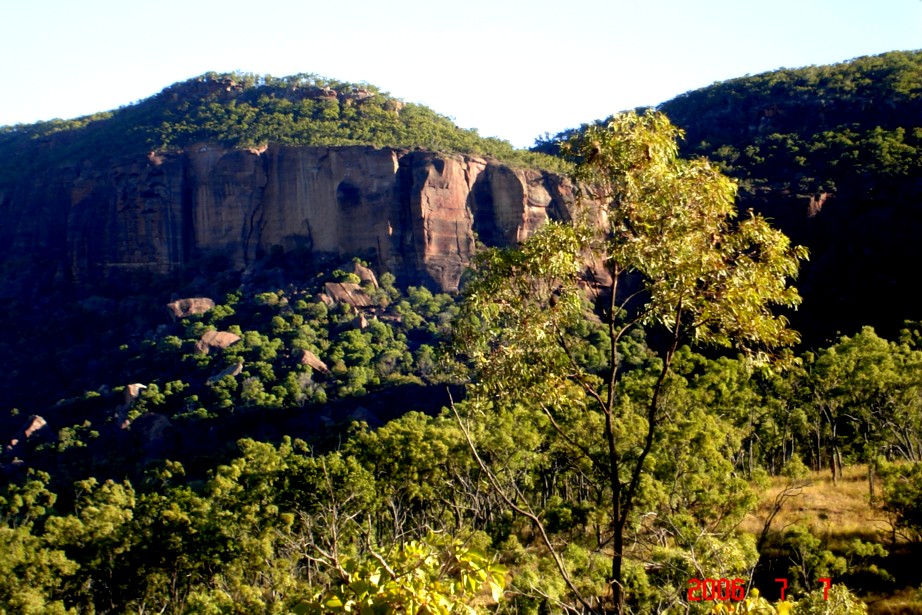

Legal basis and governance
IPAs are established through negotiated agreements between Indigenous owners and the Australian Government, and they are recognised as contributing to national conservation objectives. Governance arrangements vary: some IPAs are managed by traditional owner groups alone, others by organisations that employ rangers and work with state, territory or federal agencies. Management plans are generally developed by owners to reflect local cultural priorities alongside ecological goals.
Management activities
Typical on‑ground work includes culturally informed fire management (often called cultural burning), control of invasive plants and animals, monitoring of threatened species, protection of cultural heritage and regulated visitor access. Ranger programs provide training, employment and continuity of traditional practices while supporting conservation outcomes. Community education, biosecurity measures and research collaborations are common elements of IPA management.
Extent, examples and scale
The IPA program has expanded since the late 20th century and now includes more than fifty declared areas covering tens of millions of hectares. For example, the southern Tanami IPA in the Northern Territory, declared in 2012, covers around ten million hectares and includes communities such as Yuendumu, Willowra and Nyrripi. IPAs occur across diverse ecosystems from arid interiors to coastal and marine environments.
Benefits and challenges
- Benefits: IPAs conserve habitats, support cultural continuity, create jobs through ranger programs, and combine traditional ecological knowledge with scientific methods to improve outcomes.
- Challenges: securing consistent long‑term funding, managing invasive species and disease, adapting to altered fire regimes and climate change, and balancing increased visitation with cultural protection.
Relationship to wider conservation policy
By recognising Indigenous stewardship, IPAs contribute to national reserve targets and international commitments while promoting self‑determination. Effective IPA management often relies on cooperation between owners, governments, non‑government organisations and researchers to provide technical support, training and capacity building. Practical measures include weed and feral animal control, biosecurity planning and strategies to reduce harmful bushfires through tailored fire regimes and community‑led burning.
Further information
Readers wishing to learn more can consult resources on Indigenous rights and land management, government IPA program pages, and materials on biodiversity conservation and traditional ecological knowledge. Topics of interest include community ranger programs, approaches to weed control, monitoring methods for threatened species, and collaborations with scientific institutions to support landscape‑scale conservation. For background on Indigenous communities and history, see sources on the Indigenous peoples of Australia and on the role of the Australian Government in supporting Indigenous conservation initiatives. General information about biodiversity is available through overviews of biodiversity conservation frameworks.
Related articles
Author
AlegsaOnline.com Indigenous Protected Area (Australia) Leandro Alegsa
URL: https://en.alegsaonline.com/art/47172
Sources
- environment.gov.au : "Indigenous Protected Areas"
- abc.net.au : "Australia's biggest protected area declared"